

Self-Guided Courses



Level 1 A0
Fundamentals
15 Lessons
1. Meet & Greet
(Identity/Existence — I am / You are / My / Your)
- Grammar: I am / You are (basic identity)
- Vocabulary: Hello/Hi + my/your + names
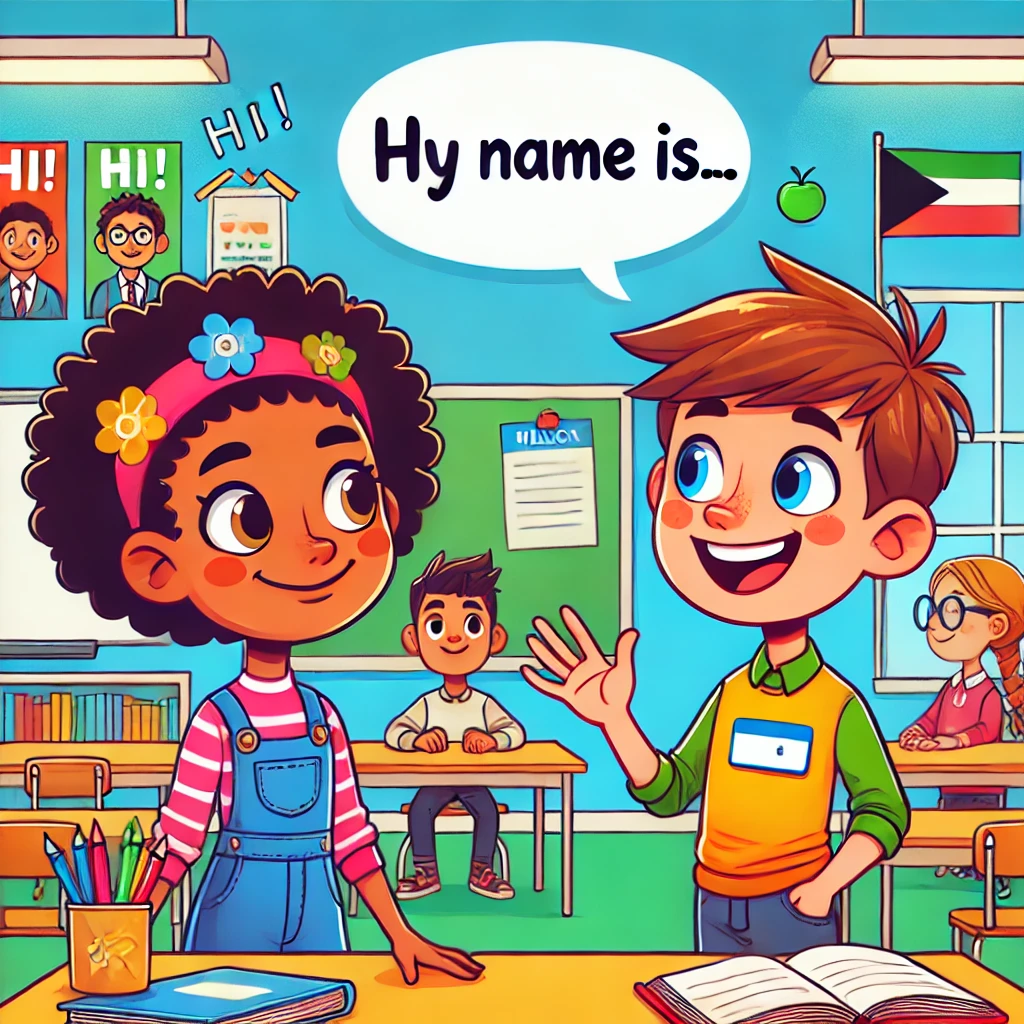
- Speaking: I am ___. My name is ___.
- Listening: “My name is…” dialogue
- Reading: Mini intro: “My name is ___. “My last name is ___.”
SWAT: Students introduce themselves using “I am…” + “My name is…”

2. Family & Possessions
(Possessive Nouns and Adjectives)
- Grammar: Possessive’s + his / her + He is / she is.
- Vocabulary: Family members and Possession
- Speaking: Introduce Family Members
- Listening: “Hi, my name is … He is my…”
- Reading: Mini text: “His name is … He is my…”
- SWAT: Students will be able to introduce family using possessive nouns and adjectives.

3. How Are You Today?
(Internal state + contrast (affirmative vs negative)
- Grammar: To be — negative (I’m not …)
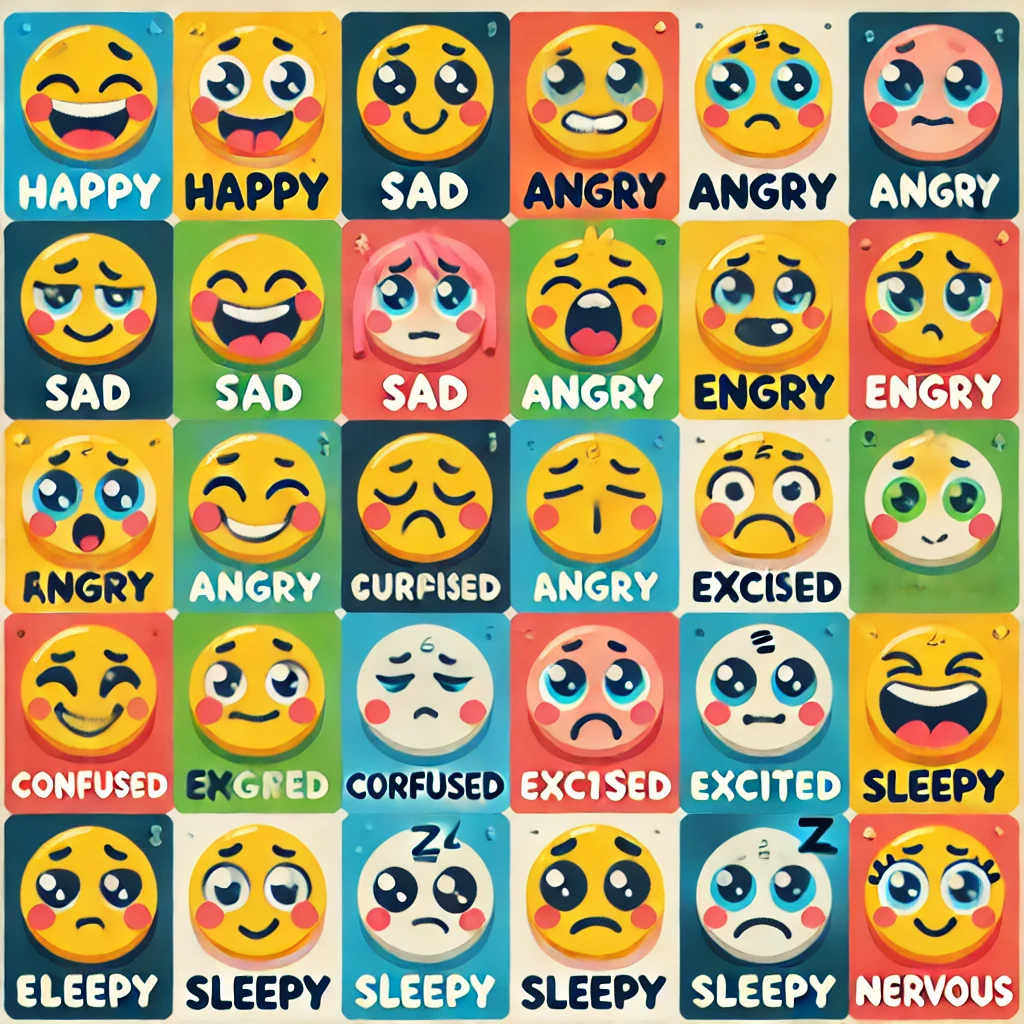
- Vocabulary: Feelings (happy, sad, tired, etc.)
- Speaking: Say how you feel today
- Listening: “I’m not tired today.”
- Reading: Mini diary entry about emotions
- SWAT: Students will be able to express basic feelings using “I am / I’m not …”
3. Where Are You From?
(Origin + first real question/answer loop)
- Grammar: To be — questions
(Are you from…?)
* preposition from - Vocabulary: Countries (Mexico, Guatemala, USA, etc.)
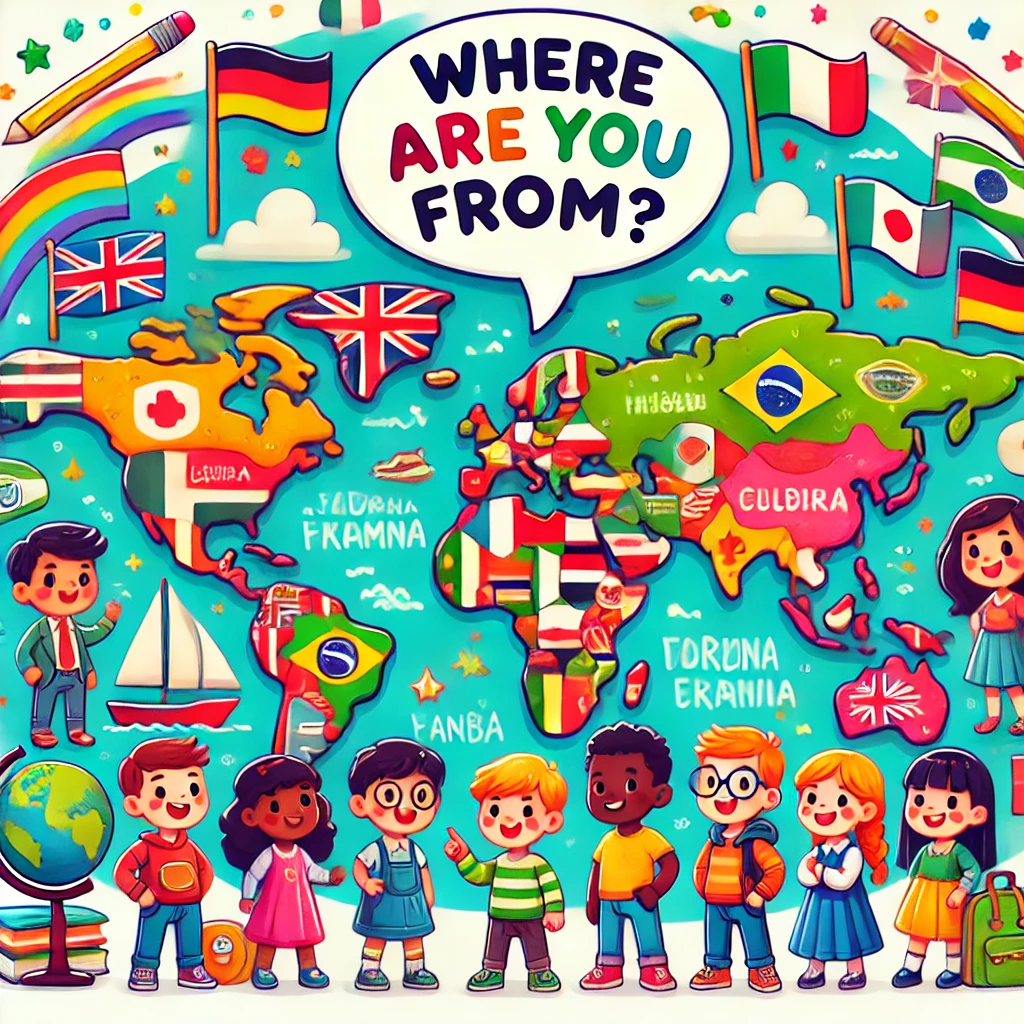
- Speaking: Ask & answer: “Where are you from?”
- Listening: Short interview with people from different countries
- Reading: World map biography snippets
- SWAT: Students will be able to ask and answer questions about origin

4. My Family Tree
(Personal Pronouns — talking about people)
- Grammar: Personal pronouns (I, you, he, she…)
- Vocabulary: Family members
- Speaking: Introduce your family
- Listening: “He is my brother. She is my mom.”
- Reading: Short family description
- SWAT: Identify and describe basic family members using pronouns.
Example: “She is my sister. He is my dad.”

5. What’s in My Backpack?
(Articles — a / an)
- Grammar: Articles (a / an)
- Vocabulary: Classroom objects
- Speaking: Describe what you have in your backpack
- Listening: “I have a pencil and an eraser.”
- Reading: Classroom inventory note
- SWAT: Describe classroom items using a/an.
Example: “I have a notebook and an eraser.”
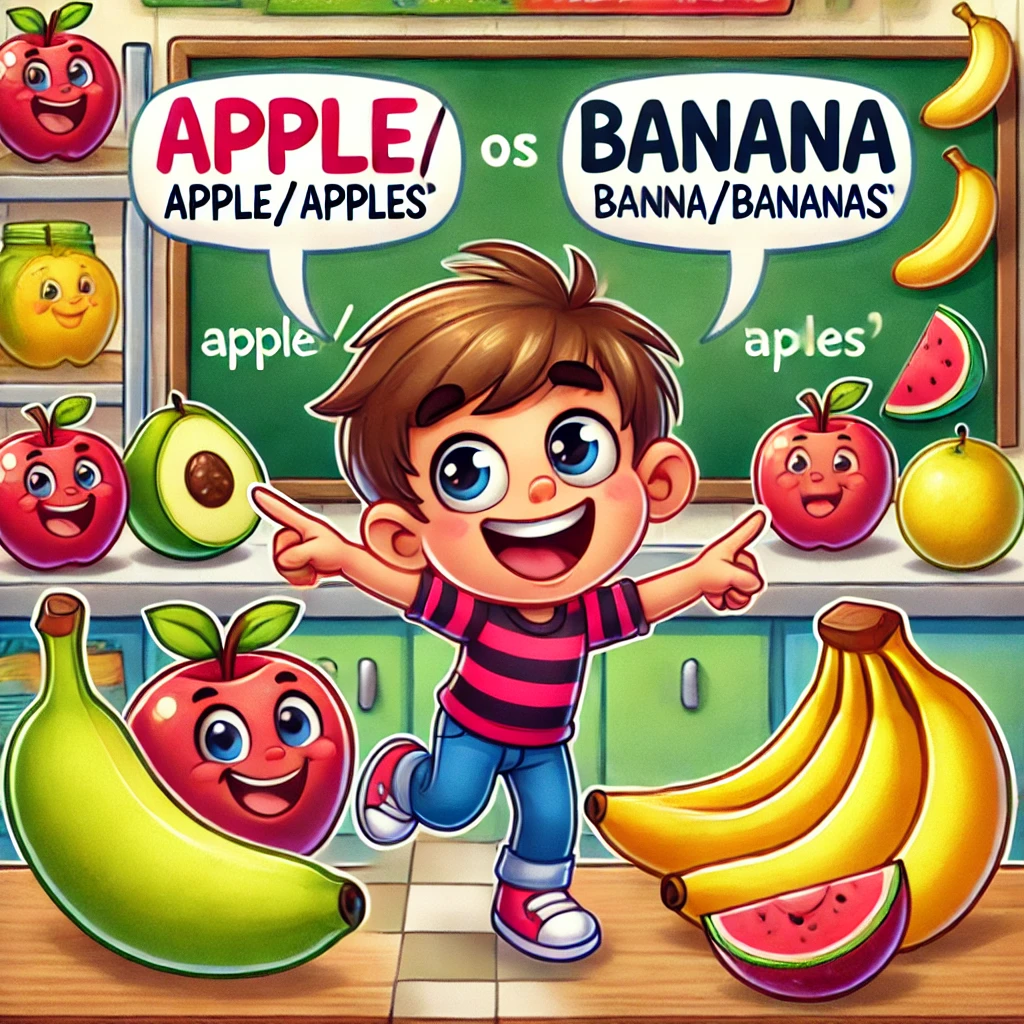
7. Apples or Bananas?
(Singular & Plural — food vocabulary)
- Grammar: Singular & Plural nouns +
Some / Any - Vocabulary: Fruits & vegetables
- Speaking: Talk about likes and dislikes
- Listening: “I like apples. I don’t like lemons.”
- Reading: Simple grocery list
- SWAT: Use singular/plural nouns to express likes and dislikes.
Example: “I like bananas. I don’t like oranges.”
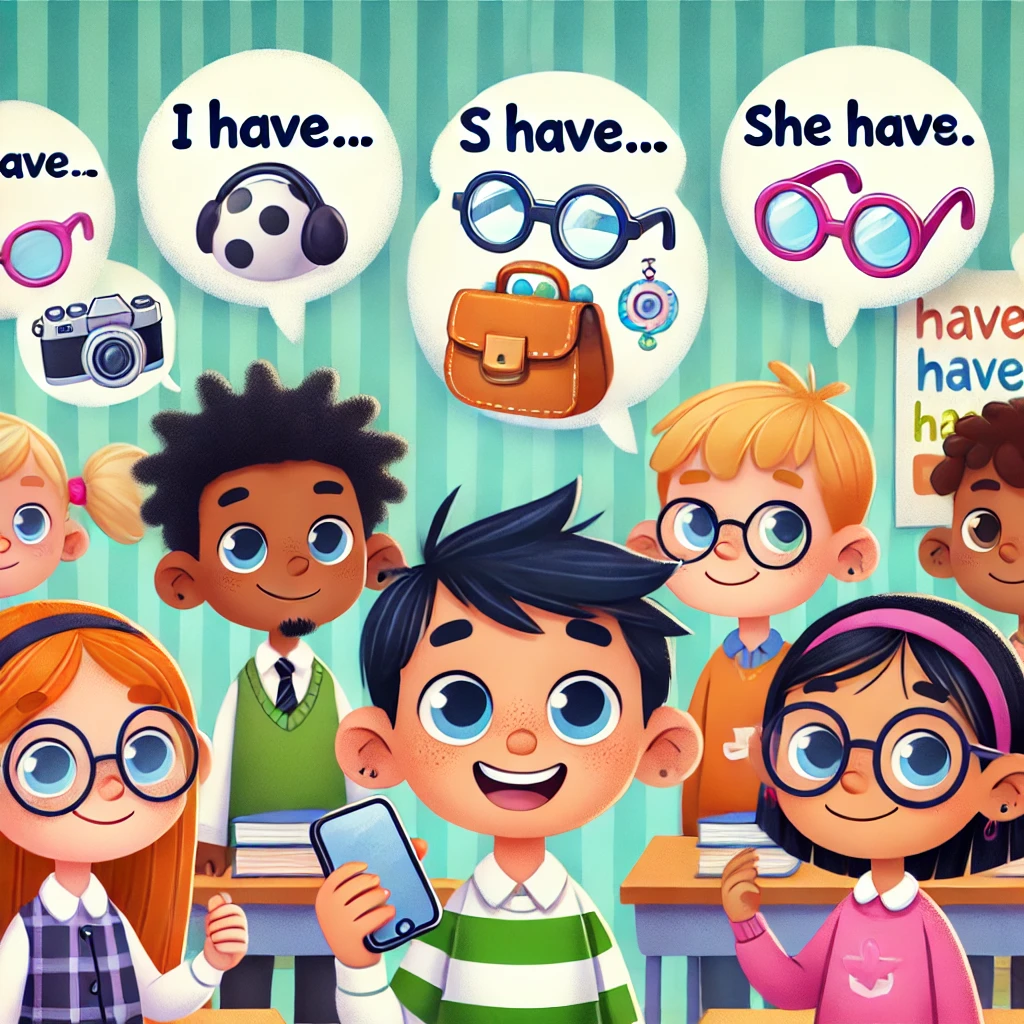
8. What Do You Have?
(Have / Has — describing possessions)
- Grammar: Have / Has (affirmative) + Adjective Order
- Vocabulary: Personal items (phone, bag, glasses)
- Speaking: Talk about what you have
- Listening: “She has a red bag.”
- Reading: Short profile of a person and their items
- SWAT: Describe possessions using have/has.
Example: “I have a phone. She has a bag.”
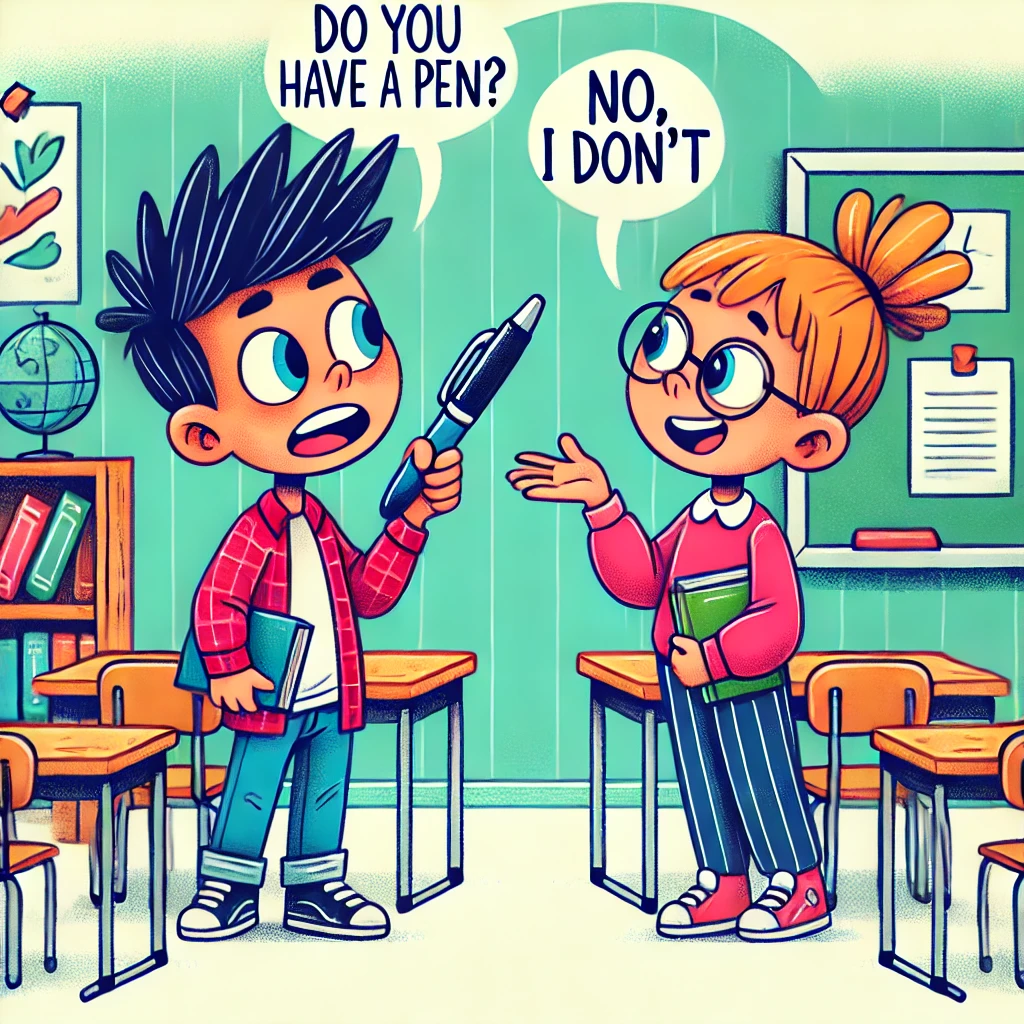
9. Do You Have a Pen?
(Have / Has — questions & negatives)
- Grammar: Have / Has — negative and questions
- Vocabulary: School supplies
- Speaking: Ask “Do you have…?”
- Listening: “Do you have a pen?” “No, I don’t.”
- Reading: Checklist of needed supplies
- SWAT: Ask and answer questions using have/has.
Example: “Do you have a pencil?” “No, I don’t.”
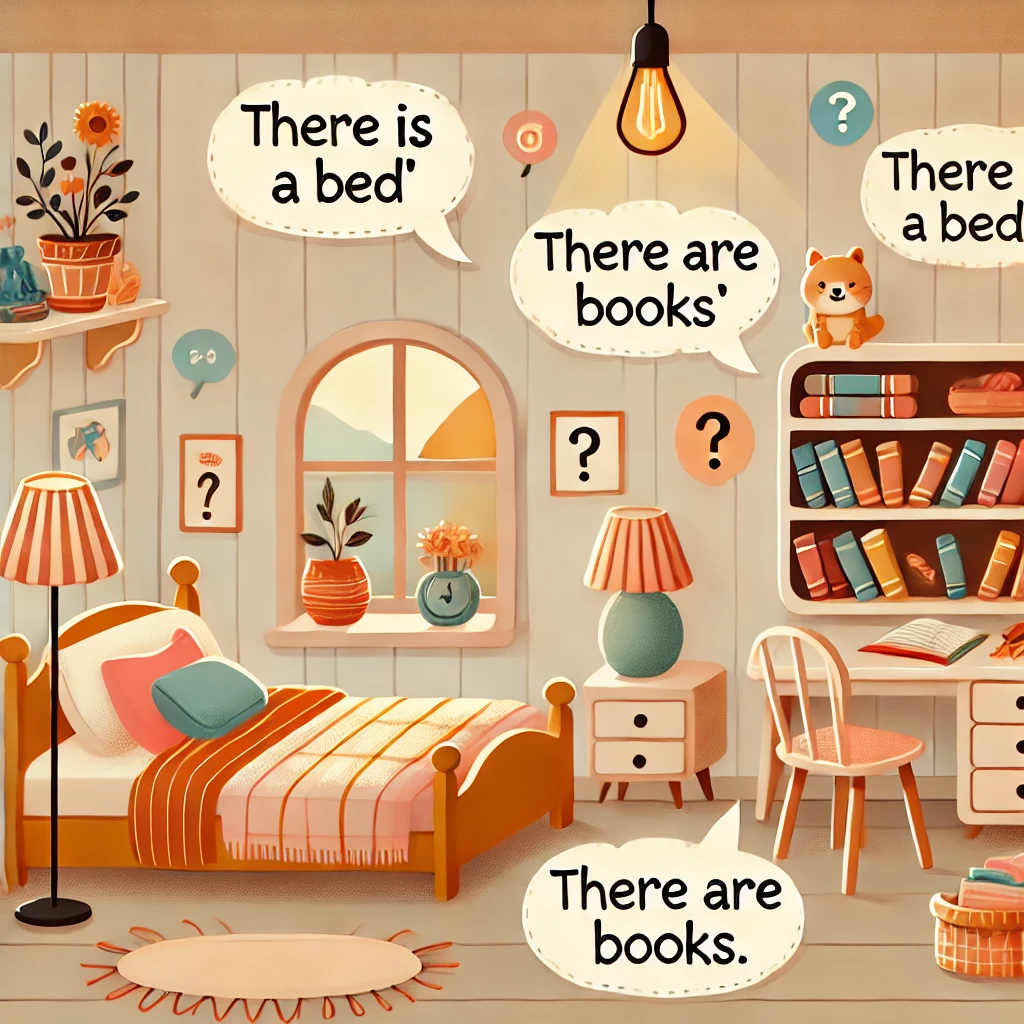
10. What’s in My Room
(There Is / There Are — describing spaces)
- Grammar: There is / There are
- Vocabulary: Rooms & furniture
- Speaking: Describe your room
- Listening: “There is a table in the kitchen.”
- Reading: Short apartment layout description
- SWAT: Describe a room using there is / there are.
Example: “There is a bed in my room.”
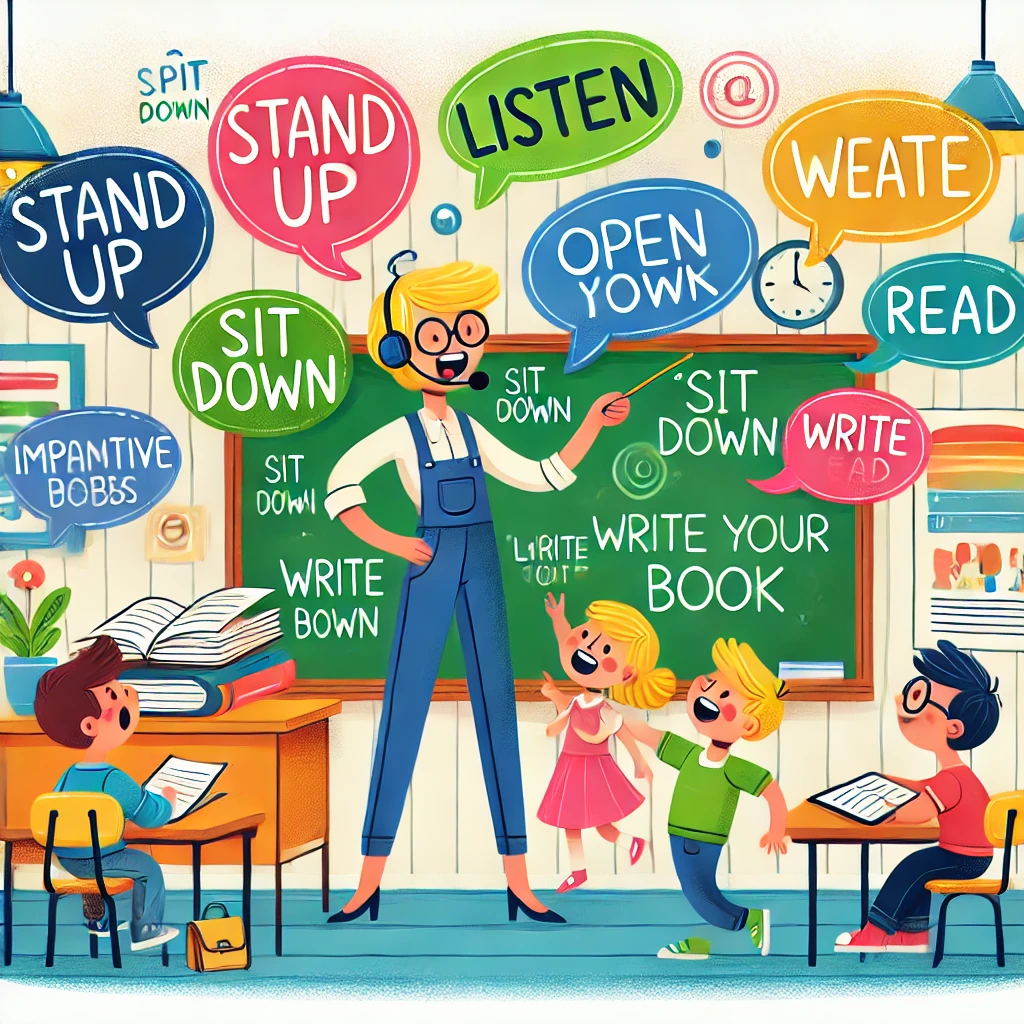
11. Stand Up, Please
(Imperatives — giving instructions)
- Grammar: Imperatives (Sit, Open, Listen…)
- Vocabulary: Common classroom actions
- Speaking: Give simple commands
- Listening: “Stand up. Close your book.”
- Reading: Classroom rules poster
- SWAT: Give and understand simple classroom commands.
Example: “Sit down. Open your book.”
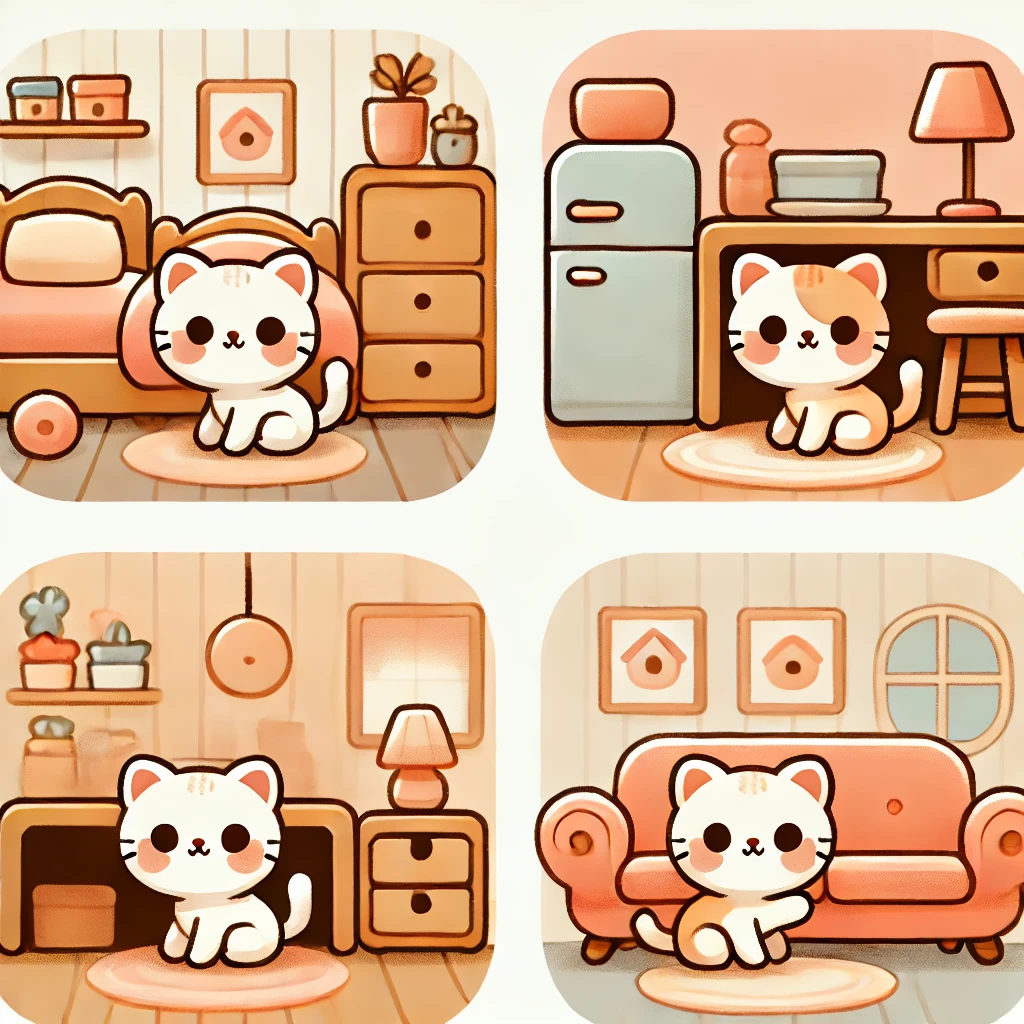
12. Where Is the Cat?
(Prepositions of Place — in/on/under)
- Grammar: Prepositions of place
- Vocabulary: House items
- Speaking: Say where things are
- Listening: “The cat is under the bed.”
- Reading: Picture description: “In the living room…”
- SWAT: Describe where objects are using basic prepositions.
Example: “The book is on the table.”

13. I Can Swim
(Can / Can’t — talking about ability)
- Grammar: Can / Can’t
- Vocabulary: Verb abilities (run, swim, dance…)
- Speaking: Say what you can and can’t do
- Listening: “I can swim but I can’t drive.”
- Reading: Simple talent profile
- SWAT: Express what they can and can’t do.
Example: “I can dance, but I can’t draw.”
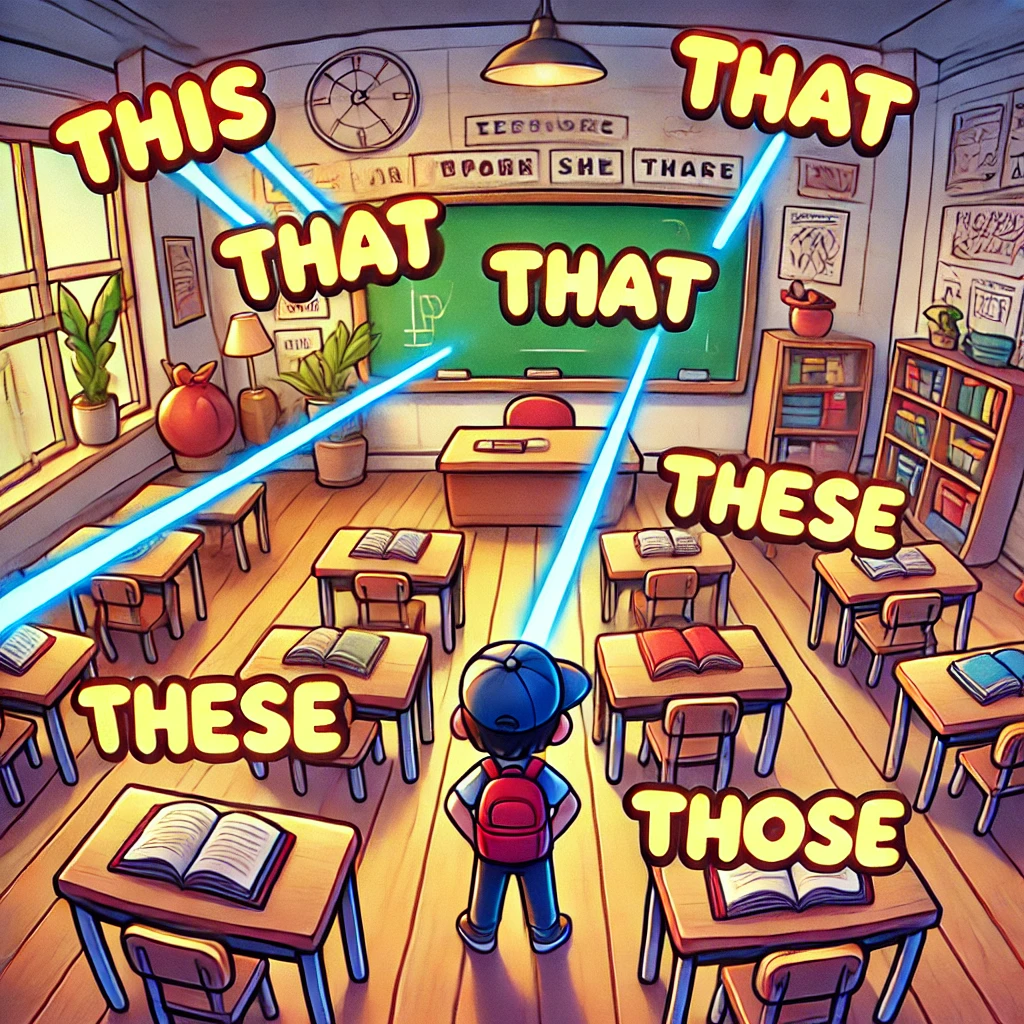
6. Near or Far?
(Demonstratives — this/that/these/those)
- Grammar: This / That / These / Those
- Vocabulary: Everyday objects
- Speaking: Identify things near and far
- Listening: “This is a phone. Those are my keys.”
- Reading: Object labels in a room layout
- SWAT: Point to and identify objects using demonstratives.
Example: “This is my bag. Those are my shoes.”
15. This Is Me
(Final Performance — Pre-A1 Certification)
Objective: Demonstrate basic communication skills learned in the Pre-A1 course.
Example output:
“My name is Ana. I am from Guatemala. I like music. I have a backpack. I’m happy.”