


Self-Guided Courses
Hello and welcome to Level 2 – English Roots!
In this level, you grow your English skills.
You will learn how to ask questions, talk about daily life, and describe things.
You will practice grammar, new words, and longer sentences.
You will also get better at listening and speaking, this level helps you build a strong base in English, step by step, you will feel more confident in real conversations.
If you are not sure this is your level, take the test!
Click below to take the Level 2 test.
You need 16 correct answers to pass.
If you pass, you will move to Level 3 – English Wings.
Good luck!
PRINCIPIANTES


What you learn!
30 lesson topics
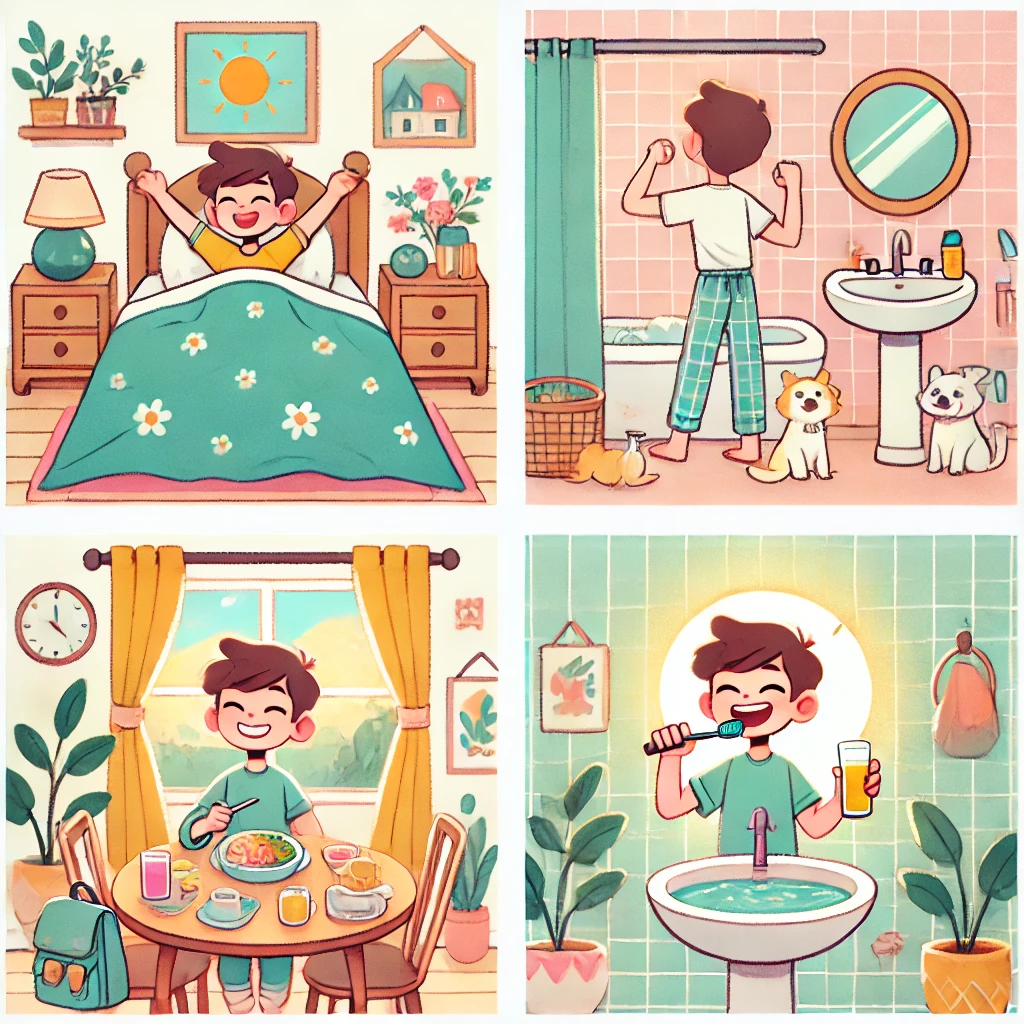
1. My Daily Routine
(Simple Present — affirmative)
- Grammar: Simple Present (affirmative)
- Vocabulary: Daily routines
- Speaking: Describe your day
- Listening: “I wake up at 6. I eat breakfast at 7.”
- Reading: Routine paragraph with time markers
- SWAT: Describe their daily routine using simple present.
Example: “I wake up at 7. I go to work at 9.”

2. I Don’t Play Video Games
(Simple Present — negative)
- Grammar: Simple Present — negative
- Vocabulary: Free-time activities
- Speaking: Say what you don’t do
- Listening: “I don’t play video games.”
- Reading: Leisure survey results
- SWAT: Express what they do not do in their daily life.
Example: “I don’t watch TV on weekdays.”
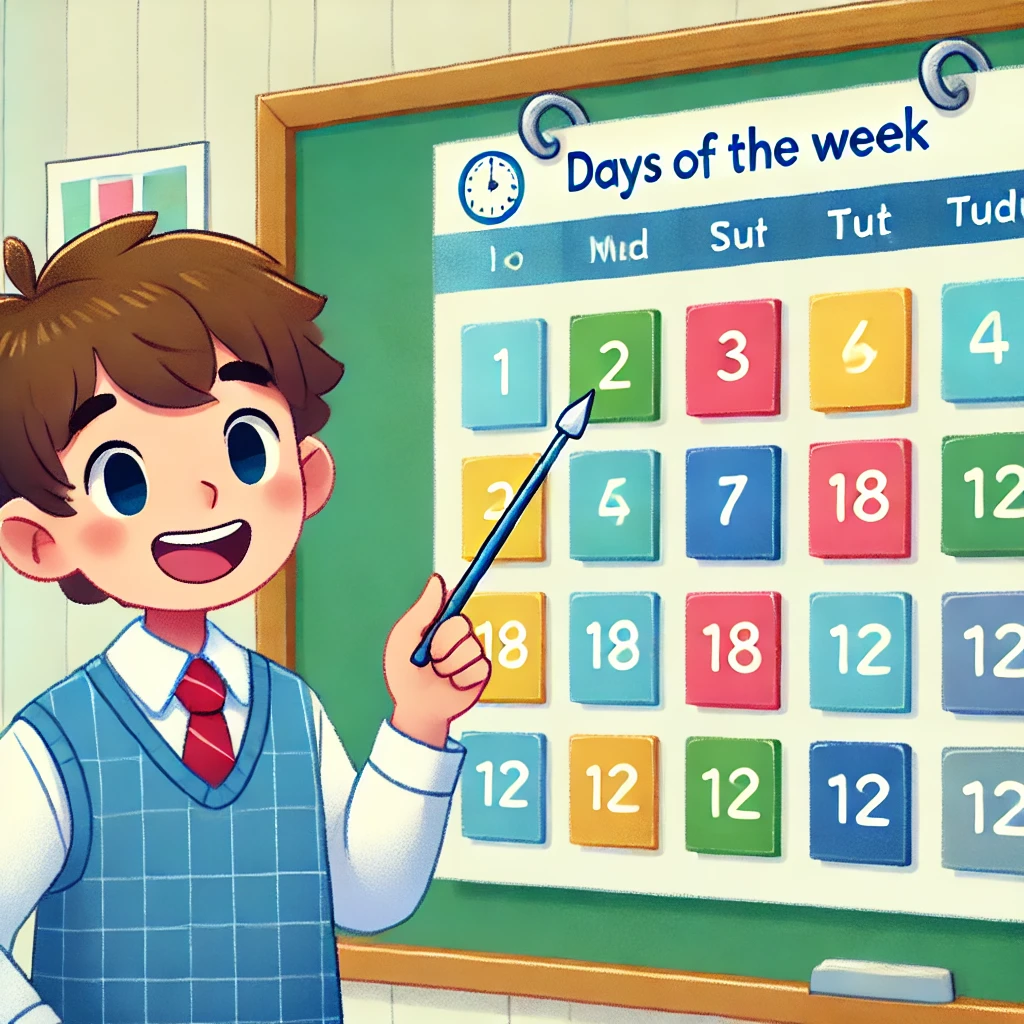
3. What Do You Do on Mondays?
(Simple Present — questions)
- Grammar: Simple Present — questions
- Vocabulary: Days of the week
- Speaking: Ask about weekly activities
- Listening: “Do you go to school on Fridays?”
- Reading: Weekly planner
- SWAT: Ask questions about weekly routines using simple present.
Example: “What do you do on Sundays?

4. Do You Read Books?
(Yes/No Questions — simple exchanges)
- Grammar: Yes/No Questions
- Vocabulary: Hobbies
- Speaking: Ask and answer simple questions
- Listening: “Do you read books?” “Yes, I do.”
- Reading: Short hobby survey
- SWAT: Have short yes/no exchanges about hobbies and routines.
Example: “Do you play soccer?” “Yes, I do
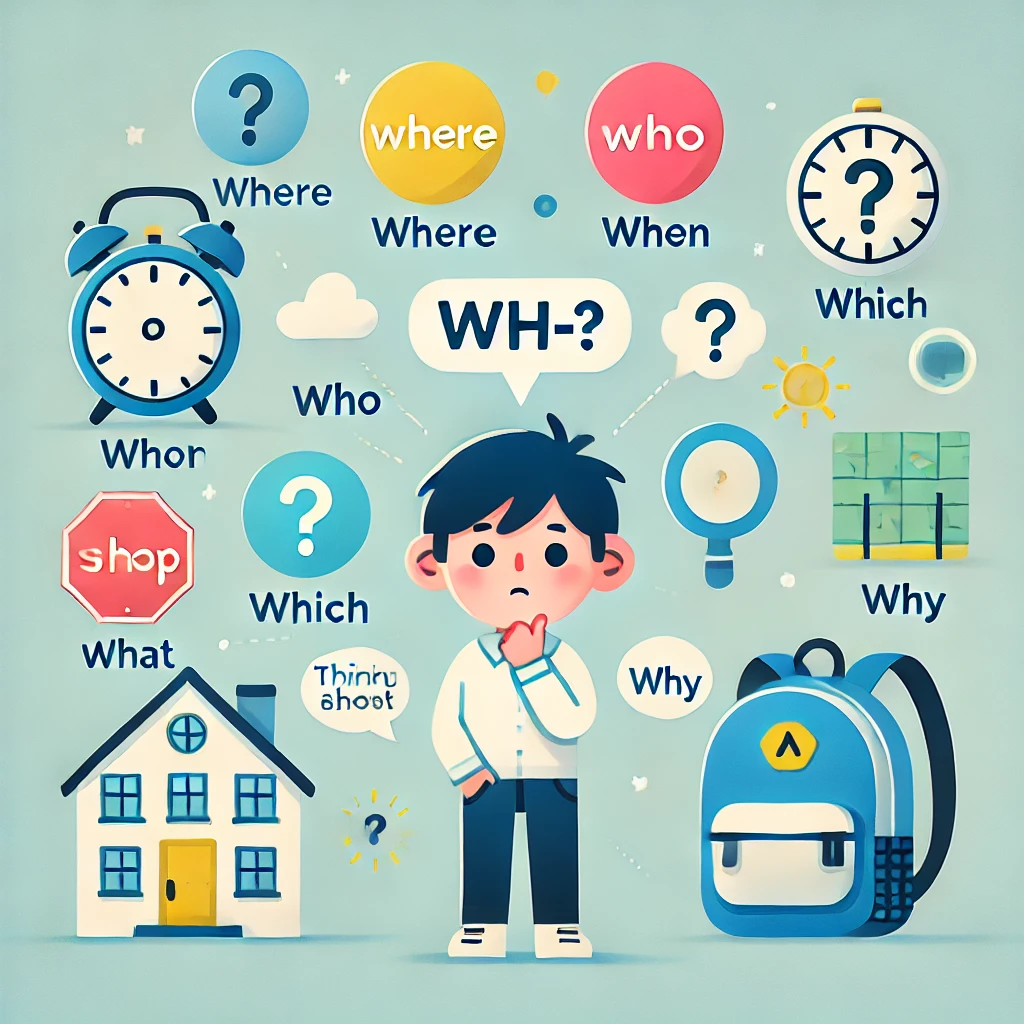
5. What’s Your Address?
(Wh- Questions — collecting info)
- Grammar: Wh- Questions (What, Where, When…)
- Vocabulary: Common question forms
- Speaking: Short Wh-Q interviews
- Listening: “Where do you live?”
- Reading: Short bio form
- SWAT: Ask and answer basic WH-questions for personal information.
Example: “Where do you live?” “I live in Guatemala.”

6. My Favorite Food
(Like / Don’t Like — preferences)
- Grammar: Like / Don’t like + nouns
- Vocabulary: Food & drinks
- Speaking: Talk about your favorites
- Listening: “I like pizza. I don’t like coffee.”
- Reading: Restaurant menu commentary
- SWAT: Express likes and dislikes about food and drinks.
Example: “I like apples. I don’t like tea.” - SWAT: Express likes and dislikes about food and drinks.
Example: “I like apples. I don’t like tea.”

7. I See Her Every Day
(Object Pronouns — me, you, him, her)
- Grammar: Object pronouns
- Vocabulary: People & actions
- Speaking: Use object pronouns in short sentences
- Listening: “He helps me with my homework.”
- Reading: Short dialogue using object pronouns
- SWAT: Use object pronouns to talk about people in simple sentences.
Example: “I know him. She helps me.
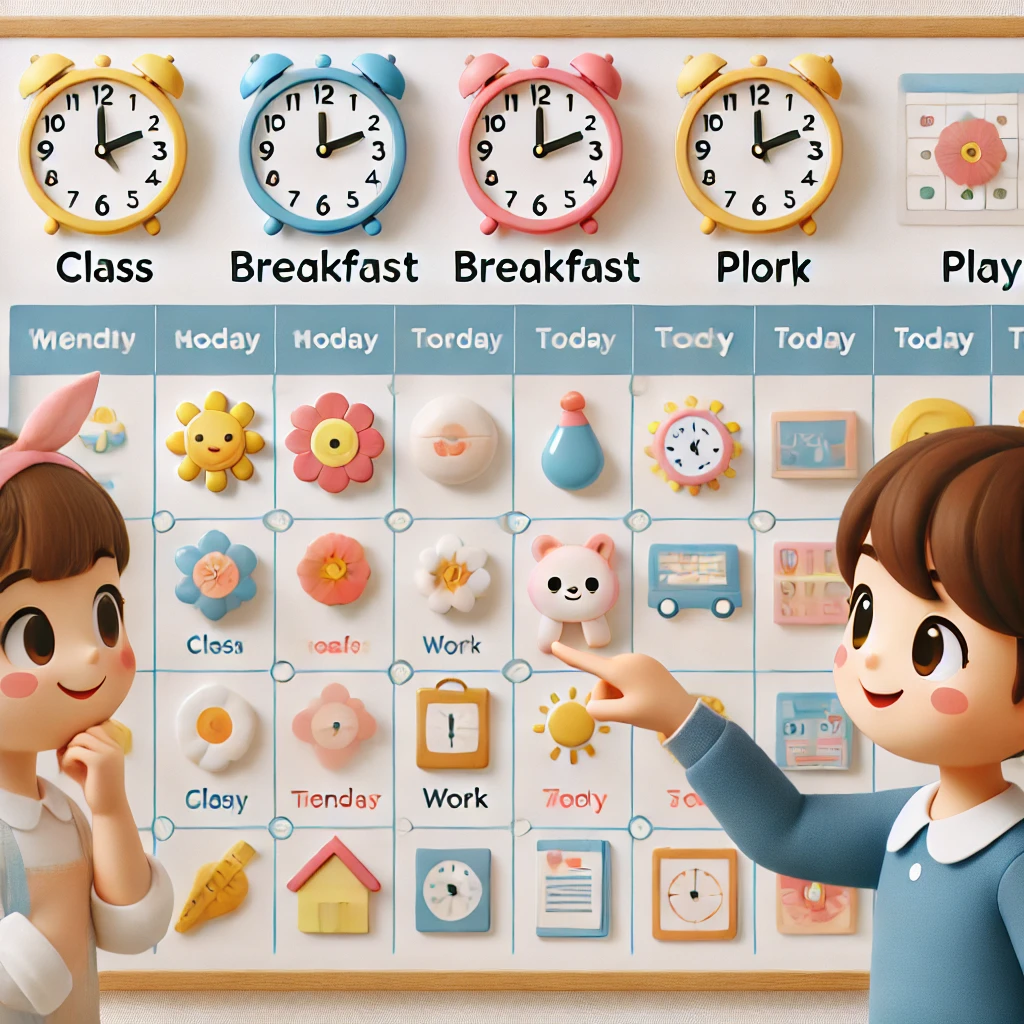
8. At 8:00, I Have Class
(Time Expressions — schedules)
- Grammar: Time expressions (at, in, on)
- Vocabulary: Scheduling words
- Speaking: Say when things happen
- Listening: “I have class at 8:00.”
- Reading: Weekly timetable
- SWAT: Describe when events happen using basic time expressions.
Example: “I study at night.”

9. How Much Is It?
(Numbers & Prices — shopping basics)
- Grammar: Numbers & prices
- Vocabulary: Shopping items
- Speaking: Ask how much things cost
- Listening: “It’s five dollars.”
- Reading: Store price tags
- SWAT: Ask for and understand prices in simple shopping situations.
Example: “How much is this?”
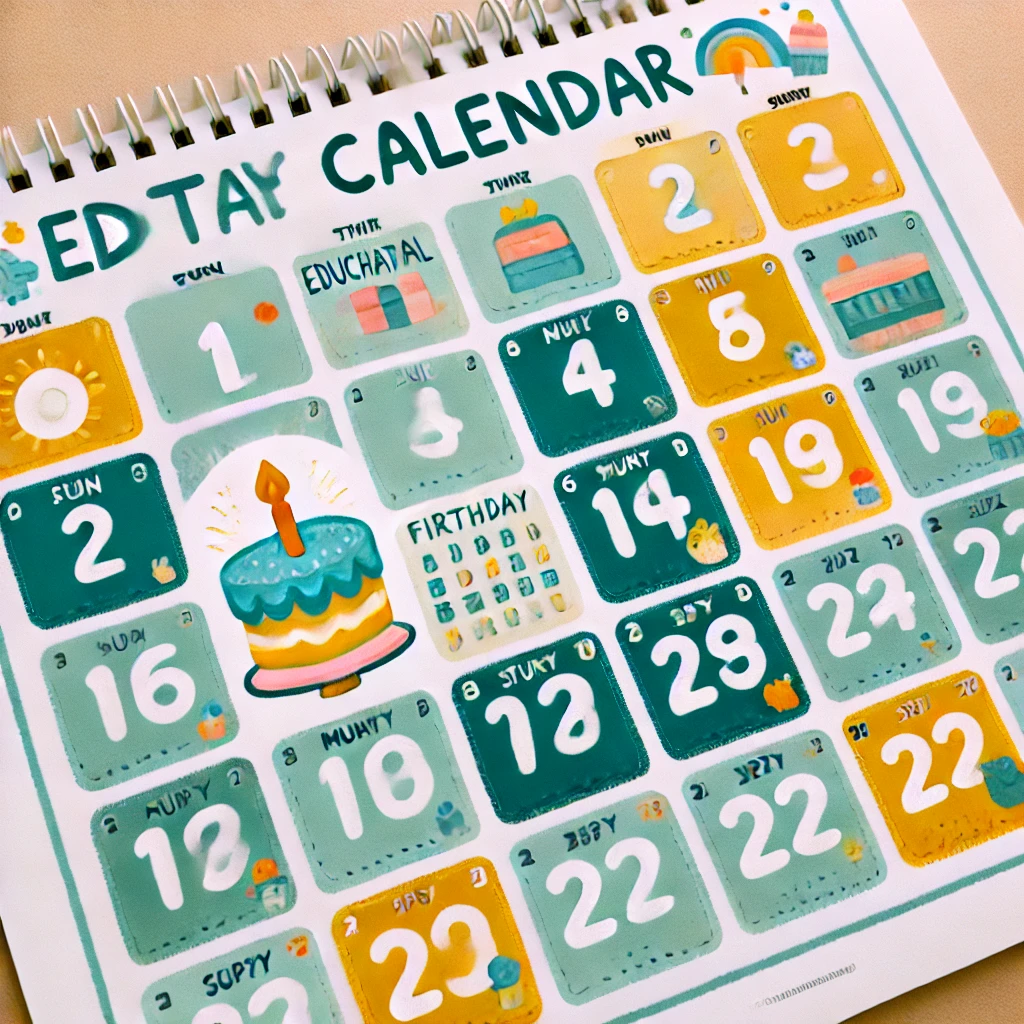
10. My Birthday Is on July 10th
(Days, Months, Dates — calendar language)
- Grammar: Days, months, dates
- Vocabulary: Birthdays, celebrations
- Speaking: Share your birthday
- Listening: “My birthday is on July 10th.”
- Reading: Calendar notes
- SWAT: Talk about dates, birthdays, and calendar information.
Example: “My birthday is in May.”

11. I Like Dancing
(Verb “like” + -ing — talking about enjoyment)
- Grammar: Like + -ing
- Vocabulary: Hobbies
- Speaking: Say what you enjoy doing
- Listening: “I like dancing and painting.”
- Reading: Short hobby blog entry
- SWAT: Describe activities they enjoy using like + -ing.
Example: “I like reading.”
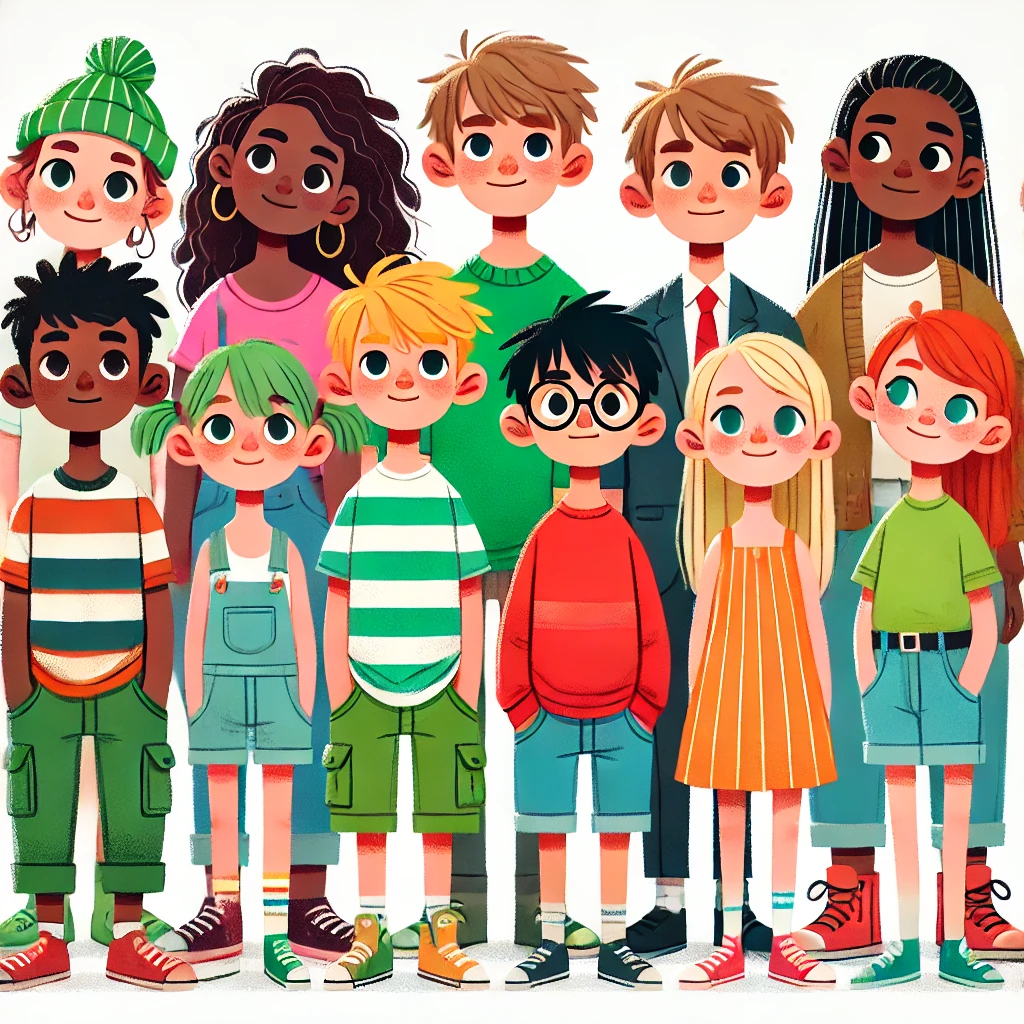
12. My Best Friend
(Describing with adjectives — people)
- Grammar: Adjectives (appearance & personality)
- Vocabulary: Descriptions
- Speaking: Describe a friend or family member
- Listening: “He is tall and funny.”
- Reading: Character profile
- SWAT: Describe people using basic adjectives.
Example: “She is kind and tall.”
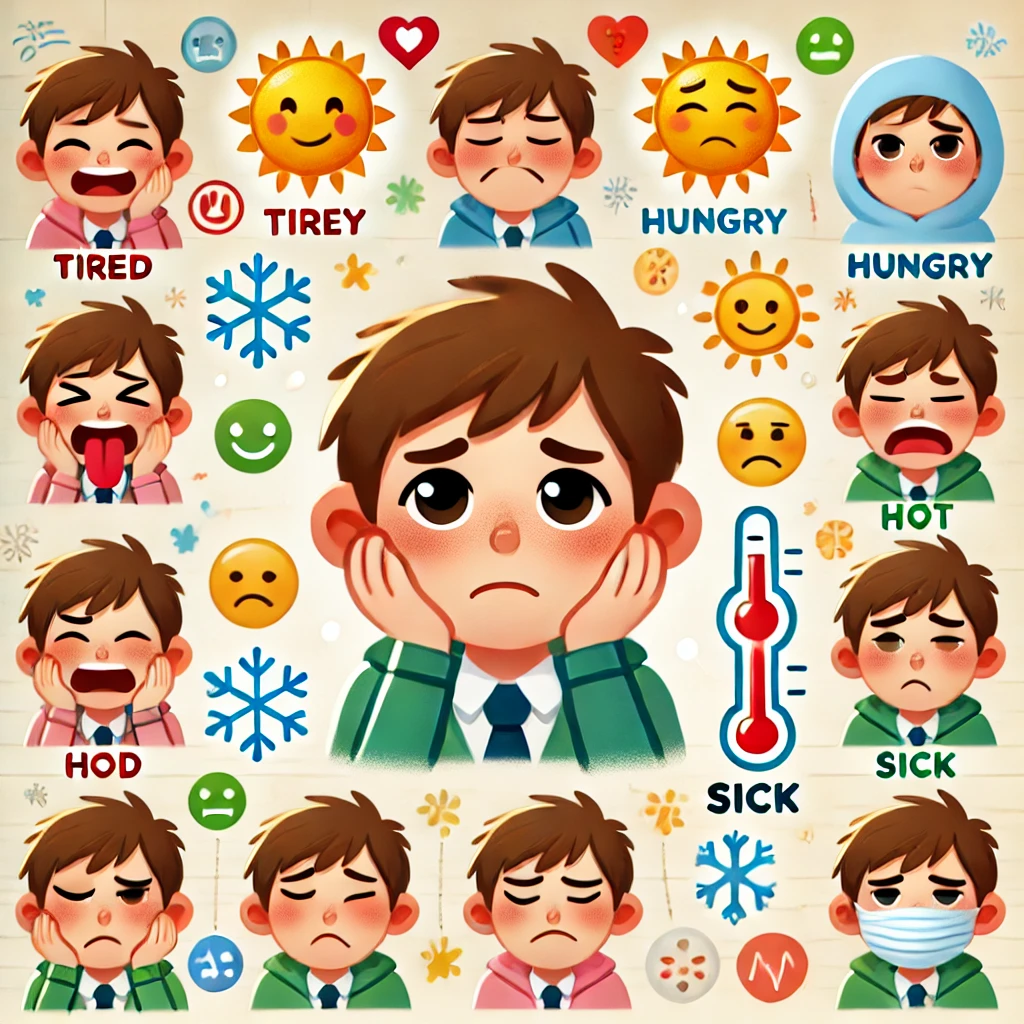
13. I’m Cold — I Need a Sweater
(Feelings & States — expressing conditions)
- Grammar: Feelings & basic states
- Vocabulary: Body & conditions
- Speaking: Say how you feel and what you need
- Listening: “I’m cold. I need a sweater.”
- Reading: Weather & feelings chart
- SWAT: Express physical states and basic needs.
Example: “I’m hungry. I need food.”
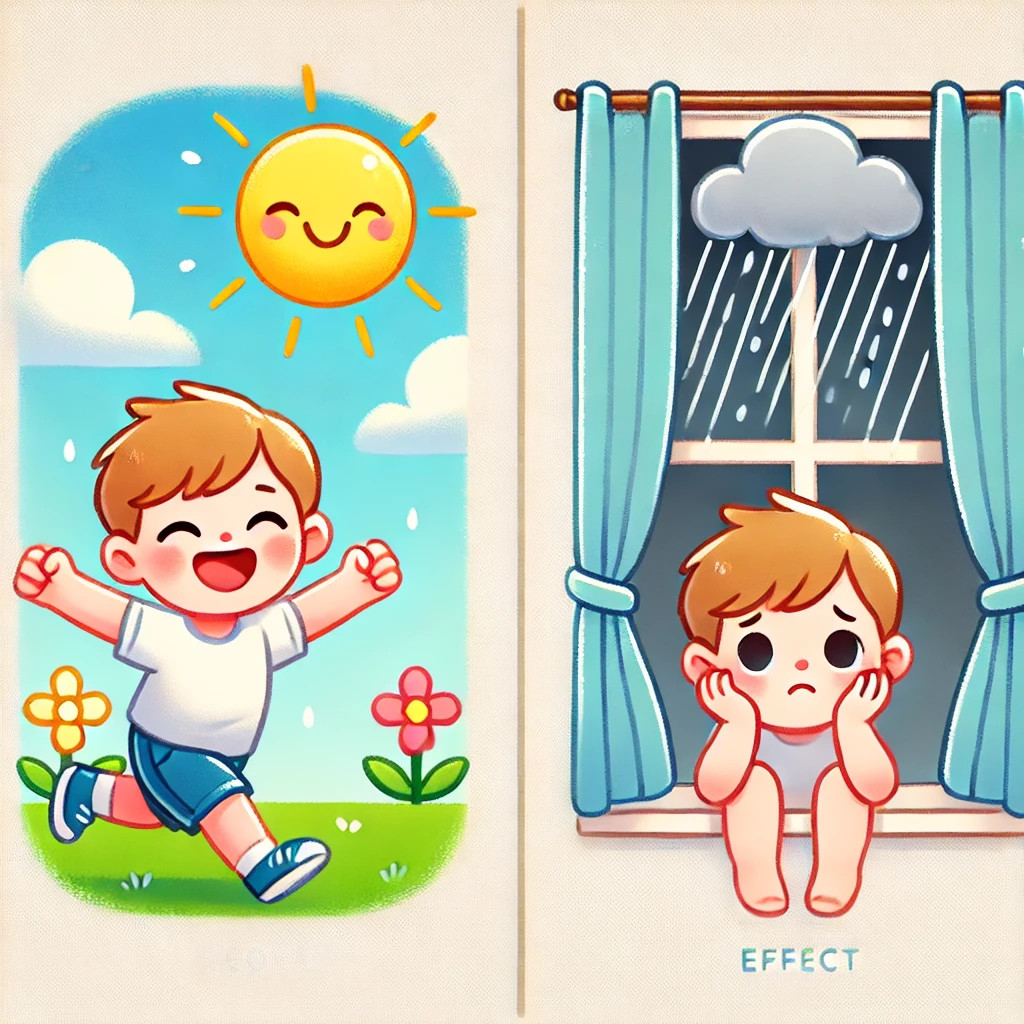
14. I’m Happy Because It’s Friday
(Conjunctions — connecting ideas)
- Grammar: And / But / Because
- Vocabulary: Reasons & contrasts
- Speaking: Give simple explanations
- Listening: “I’m happy because it’s Friday.”
- Reading: Short explanation paragraph
SWAT: Connect ideas using simple conjunctions.
Example: “I’m tired because I worked.”
15. My Week in Review
(Mixed Review — combining structures)
- Grammar: Review — all core structures
- Vocabulary: Personal story vocabulary
- Speaking: Talk about your week
- Listening: Conversation recap
- Reading: Weekly journal entry
- SWAT: Use a mix of learned structures to describe recent experiences.
Example: “This week I studied, worked, and visited my family.”
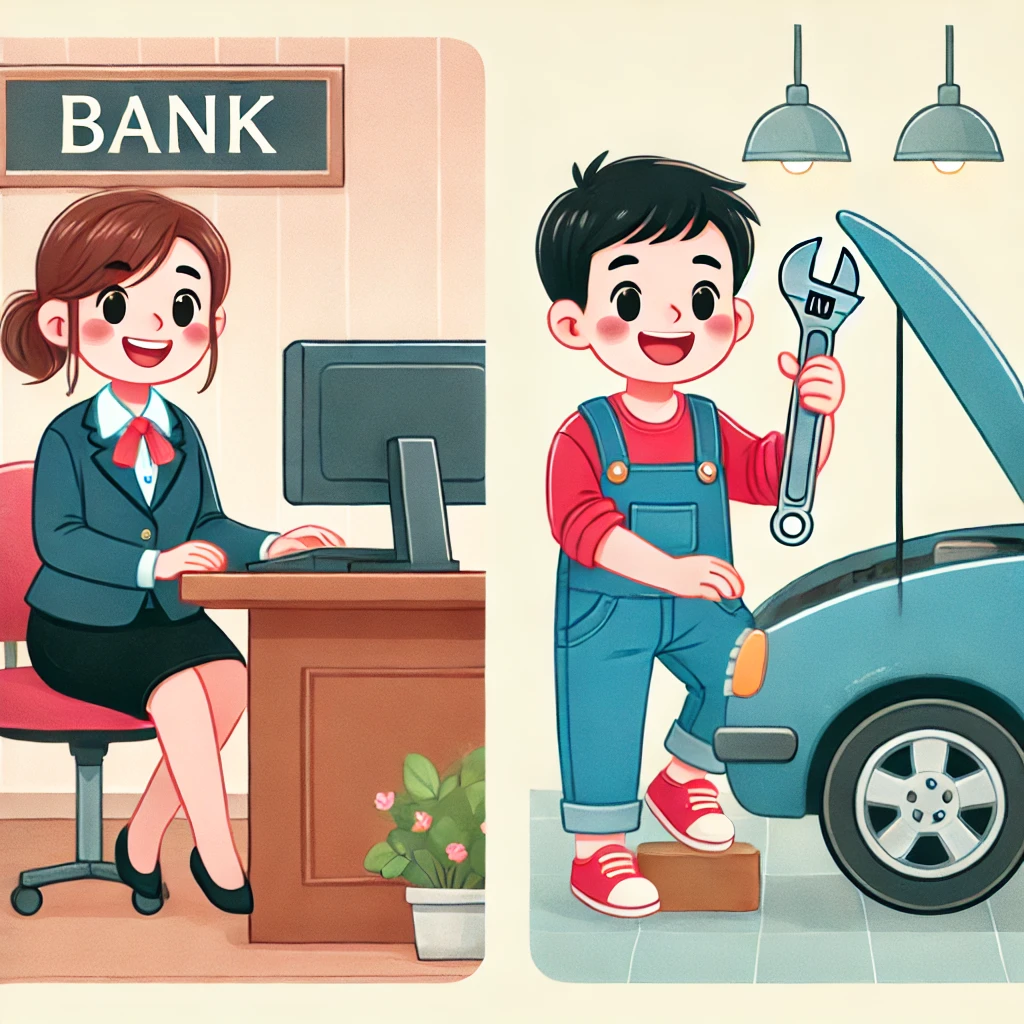
1. Morning at the Office
(Present Simple — daily routines in third person)
Grammar: Present Simple (third person: he / she)
Vocabulary: Jobs and routines
Speaking: Talk about someone’s daily routine
Listening: “She works at a bank.”
Reading: Short paragraph about a worker’s regular day
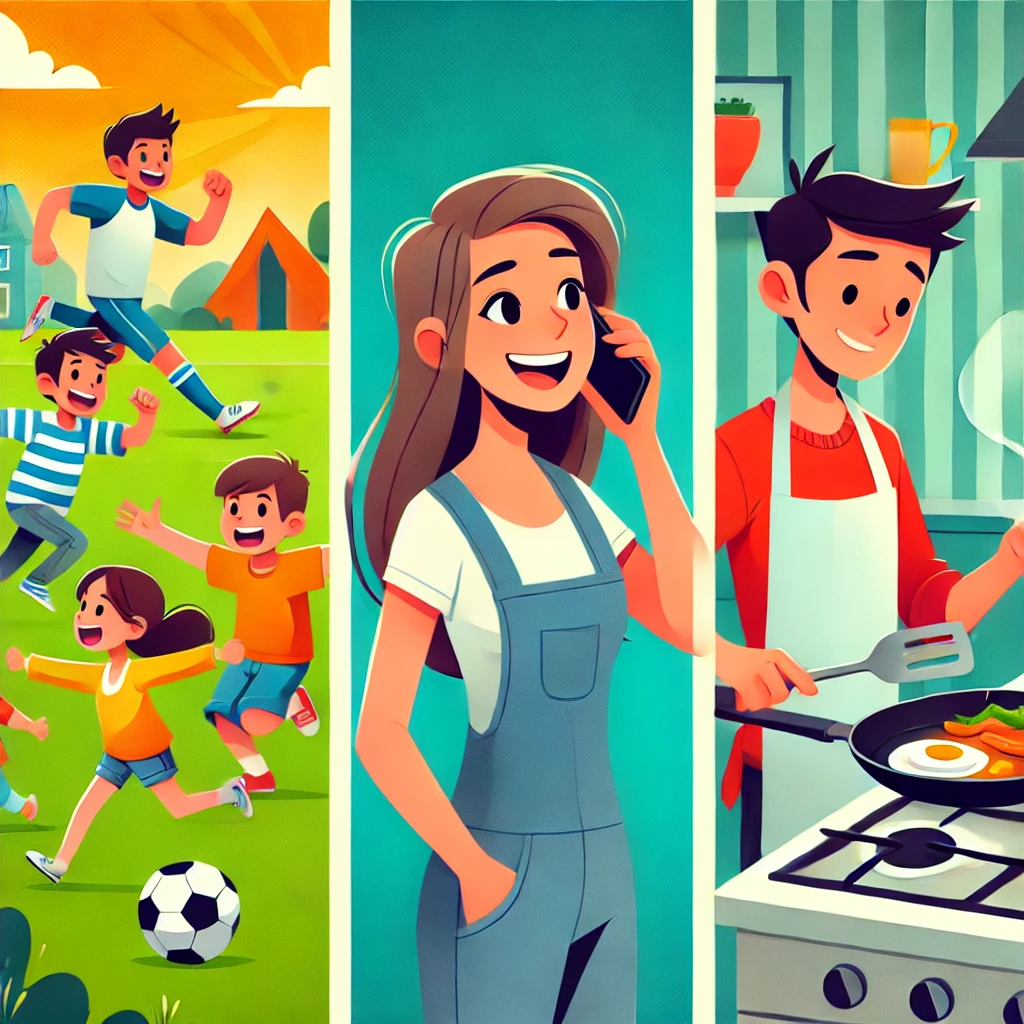
2. Right Now!
(Present Progressive — actions happening now)
Grammar: Present Progressive (all persons)
Vocabulary: Actions happening at the moment
Speaking: Describe what people are doing now
Listening: “They are playing soccer.”
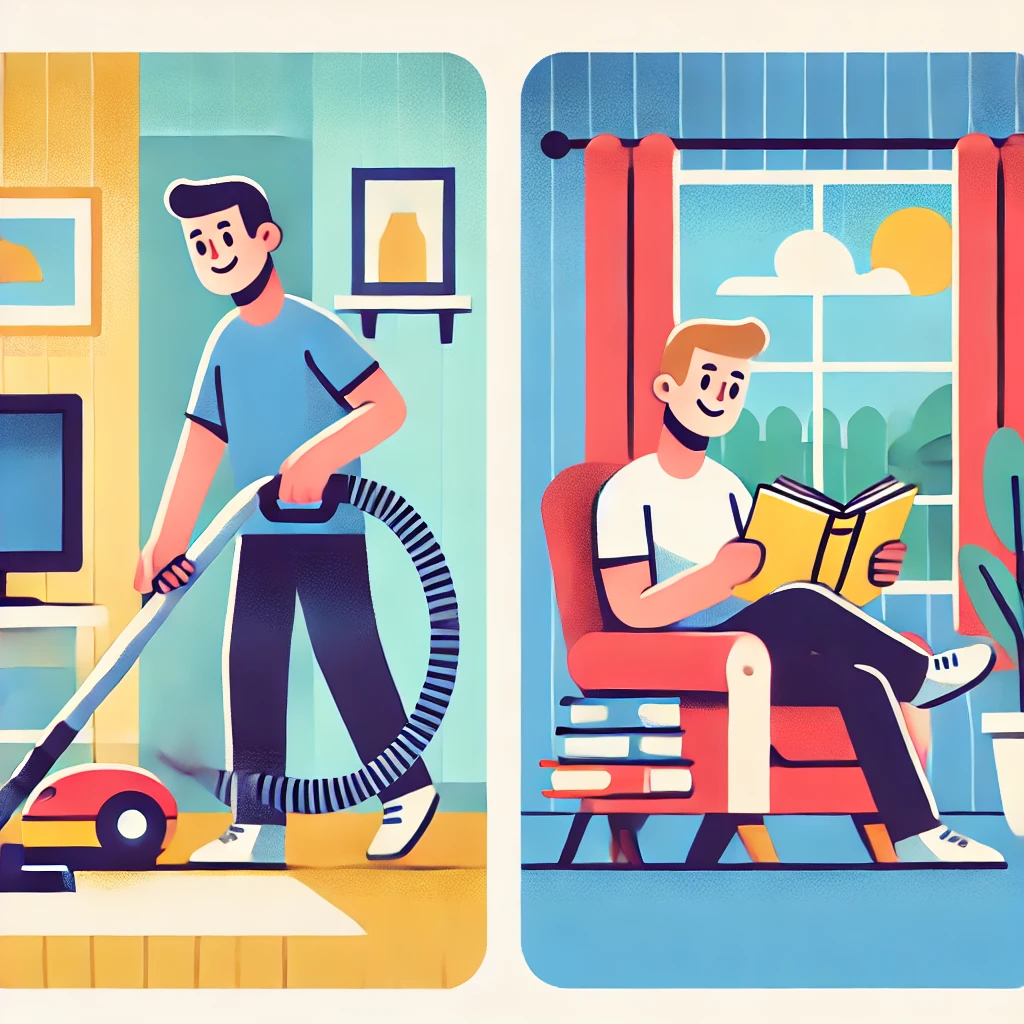
3. Habit or Just Today?
(Present Simple vs Present Progressive — habits vs this moment)
Grammar: Present Simple vs Present Progressive
Vocabulary: Chores and weekend tasks
Speaking: Compare what you usually do vs what you’re doing now
Listening: “I usually clean, but now I’m cooking.”
Reading: Short text contrasting routine and today
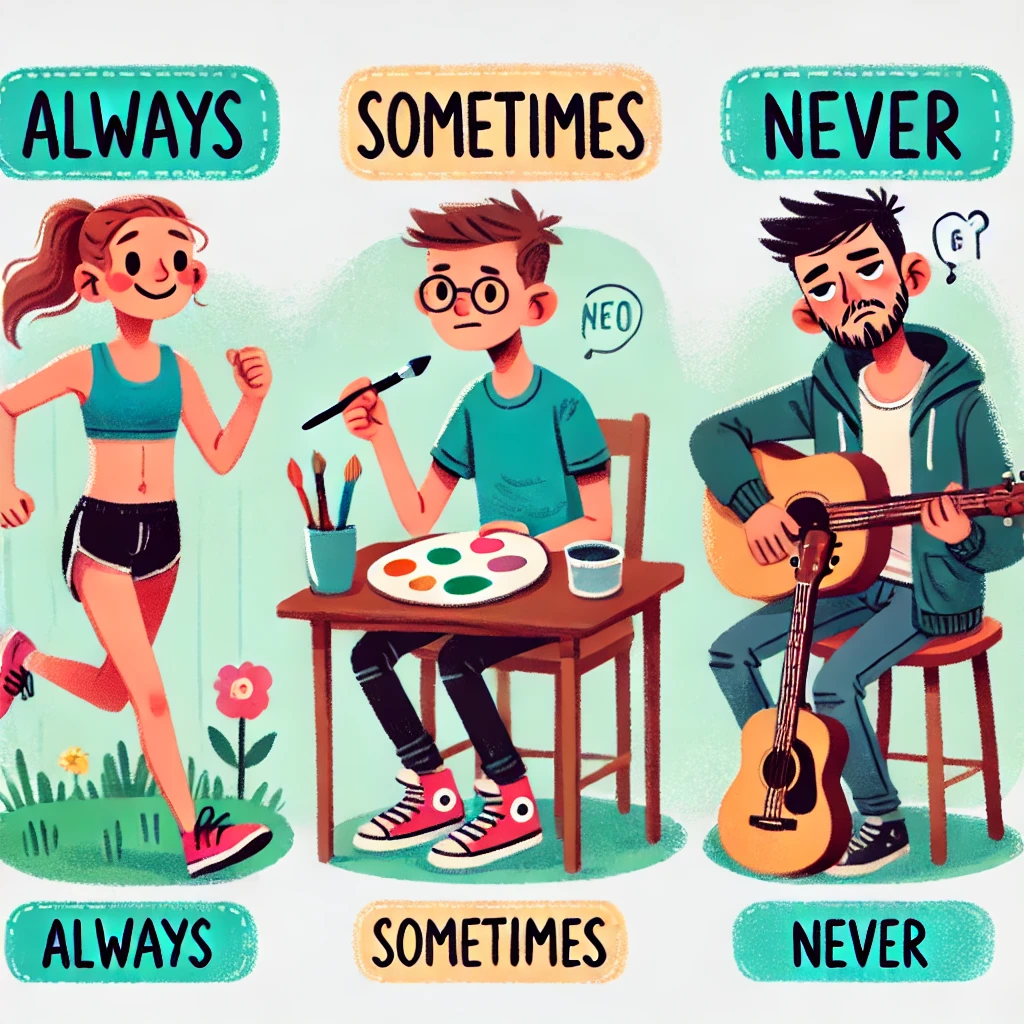
4. Always, Sometimes, Never
(Adverbs of Frequency — talking about habits)
Grammar: Adverbs of frequency (always, usually, sometimes, never, etc.)
Vocabulary: Free-time activities
Speaking: Say how often you do different activities
Listening: “I always go running on Sundays.”
Reading: Simple routine paragraph with frequency words
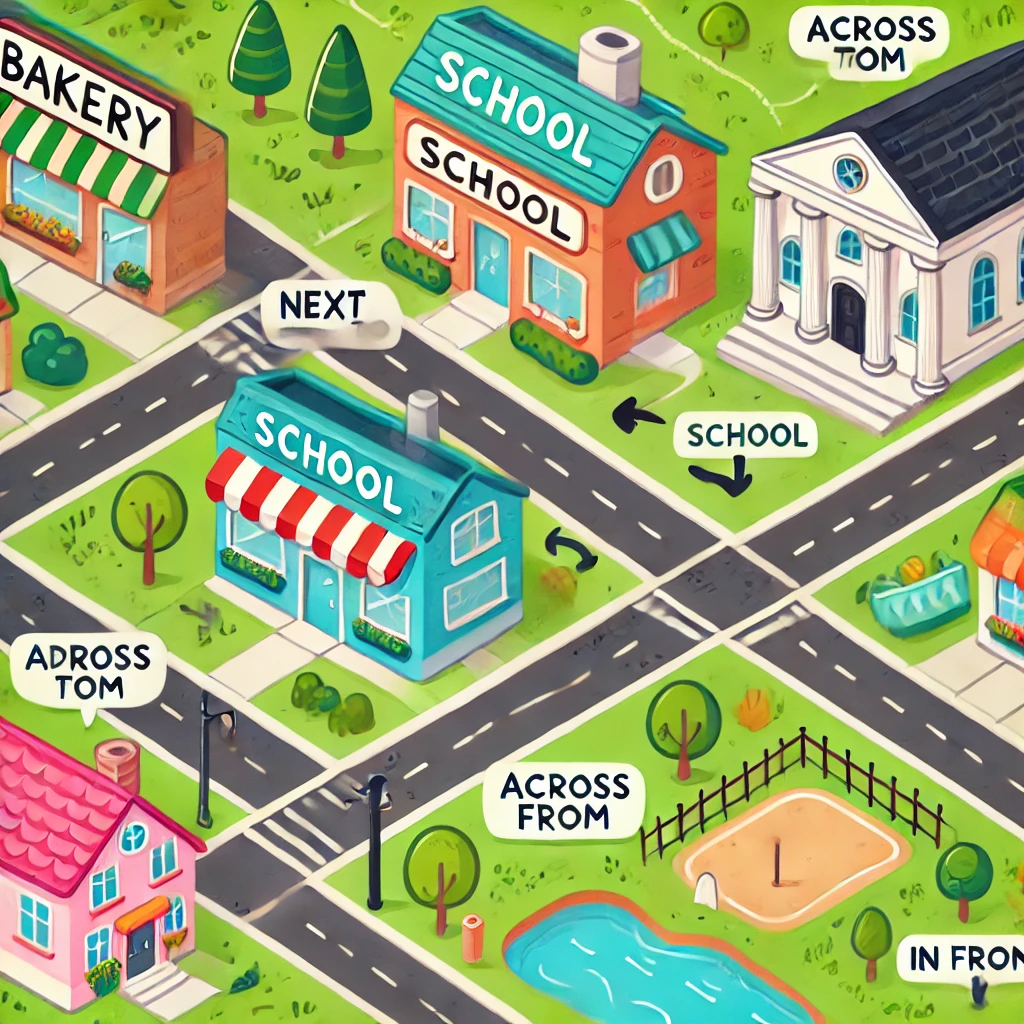
5. My Neighborhood Map
(There is / There are — places in town)
Grammar: There is / There are + prepositions of place
Vocabulary: Places in town
Speaking: Describe your neighborhood
Listening: “There’s a bakery next to the school.”
Reading: Short description of a town map
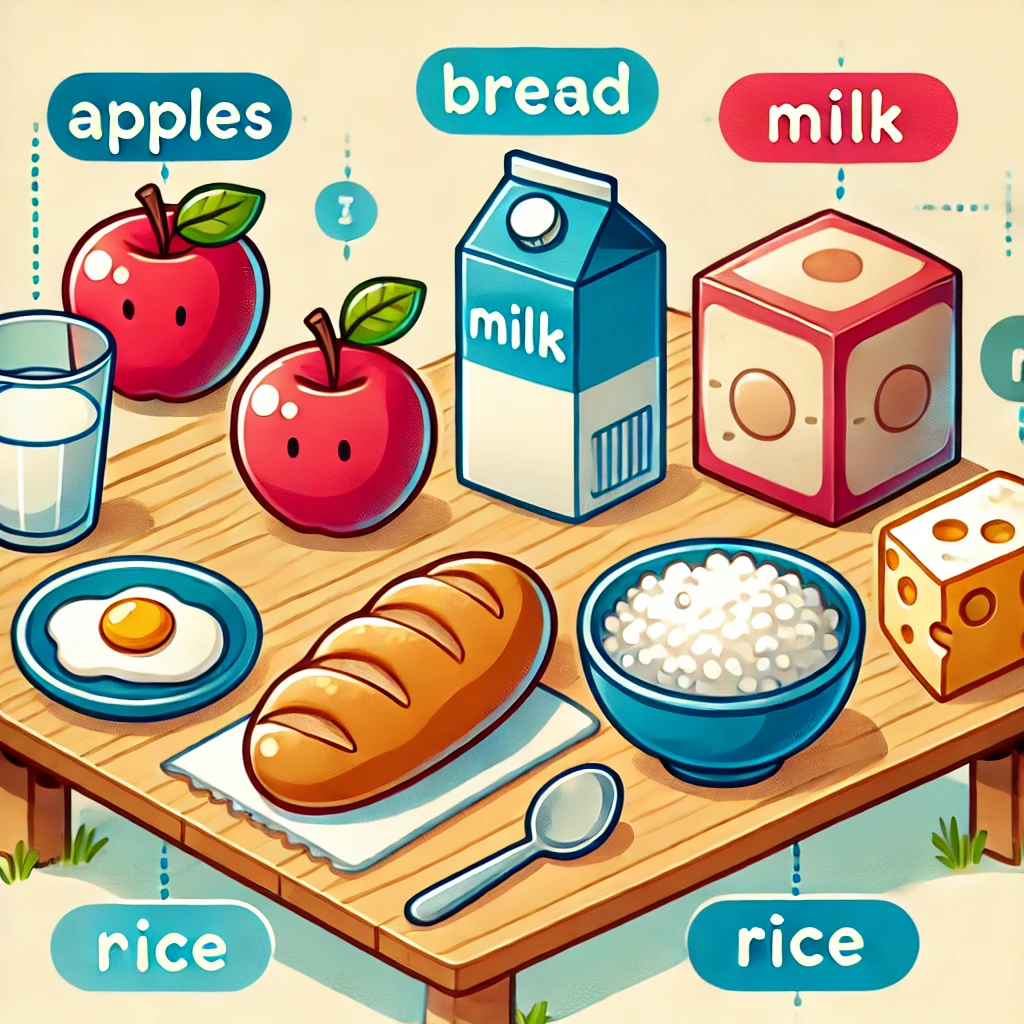
6. What’s on the Menu?
(Countable & Uncountable — talking about food)
Grammar: Countable vs uncountable nouns
Vocabulary: Common foods and drinks
Speaking: Talk about what you eat and drink
Listening: “I drink milk and eat rice.”
Reading: Simple restaurant or café menu
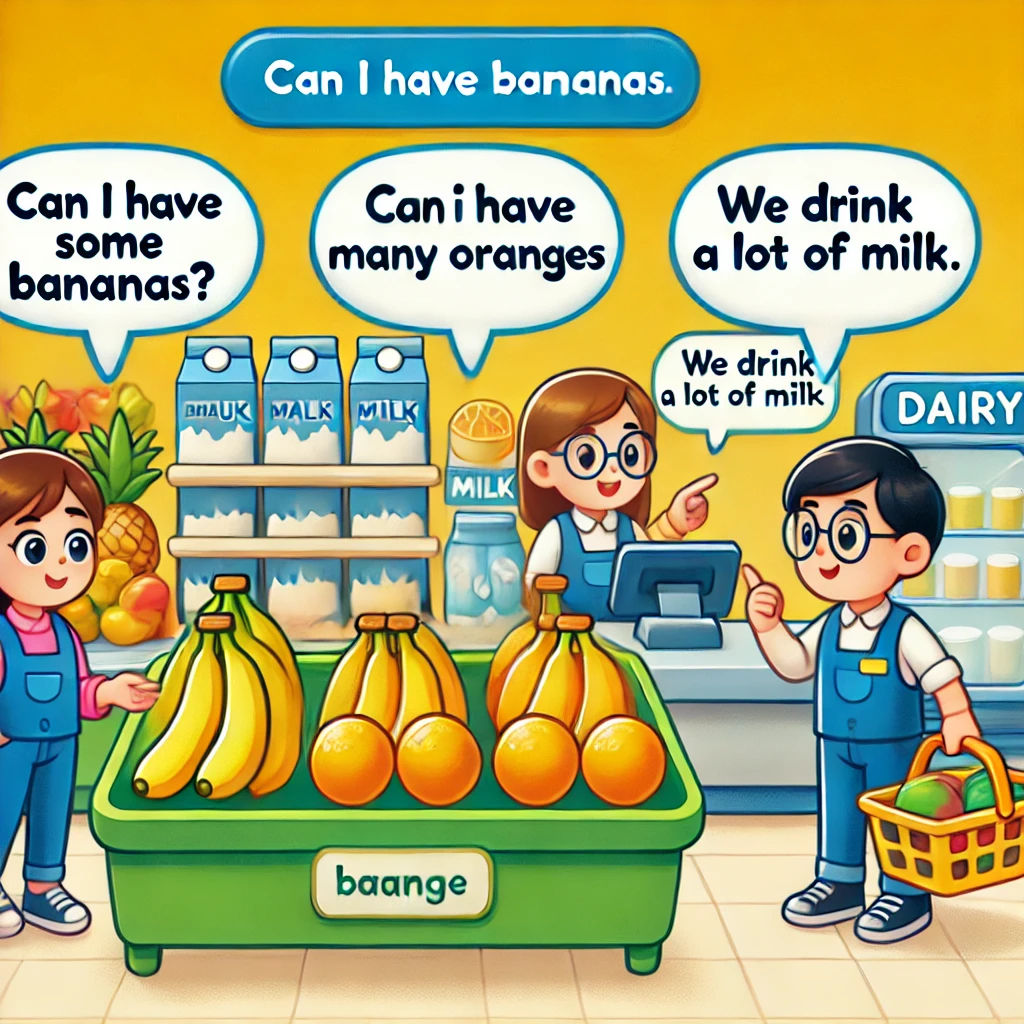
7. Some Milk, Any Bread
(Quantifiers — how much / how many)
Grammar: Quantifiers (some, any, a lot of, much, many)
Vocabulary: Grocery shopping items
Speaking: Talk about quantities when shopping
Listening: “Do you have any bananas?”
Reading: Supermarket flyer with prices and quantities

8. Last Weekend
(Past Simple — regular verbs and activities)
Grammar: Past Simple (regular verbs)
Vocabulary: Weekend activities and hobbies
Speaking: Talk about what you did last weekend
Listening: “I watched a movie and cooked dinner.”
Reading: Short weekend diary
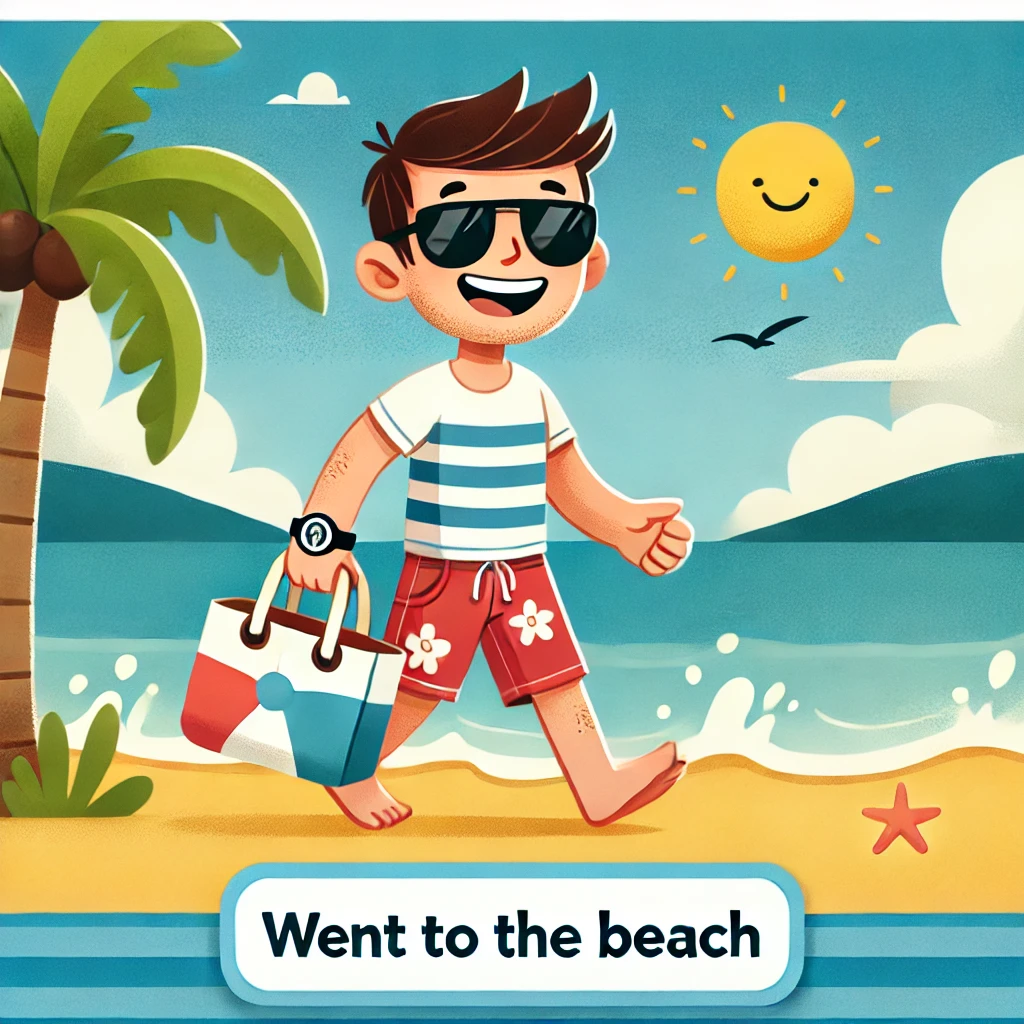
9. A Day at the Beach
(Past Simple — irregular verbs in stories)
Grammar: Past Simple (irregular verbs)
Vocabulary: Common irregular actions (go, see, buy, etc.)
Speaking: Tell a short story about a fun day
Listening: “He went to the beach.”
Reading: Mini travel anecdote
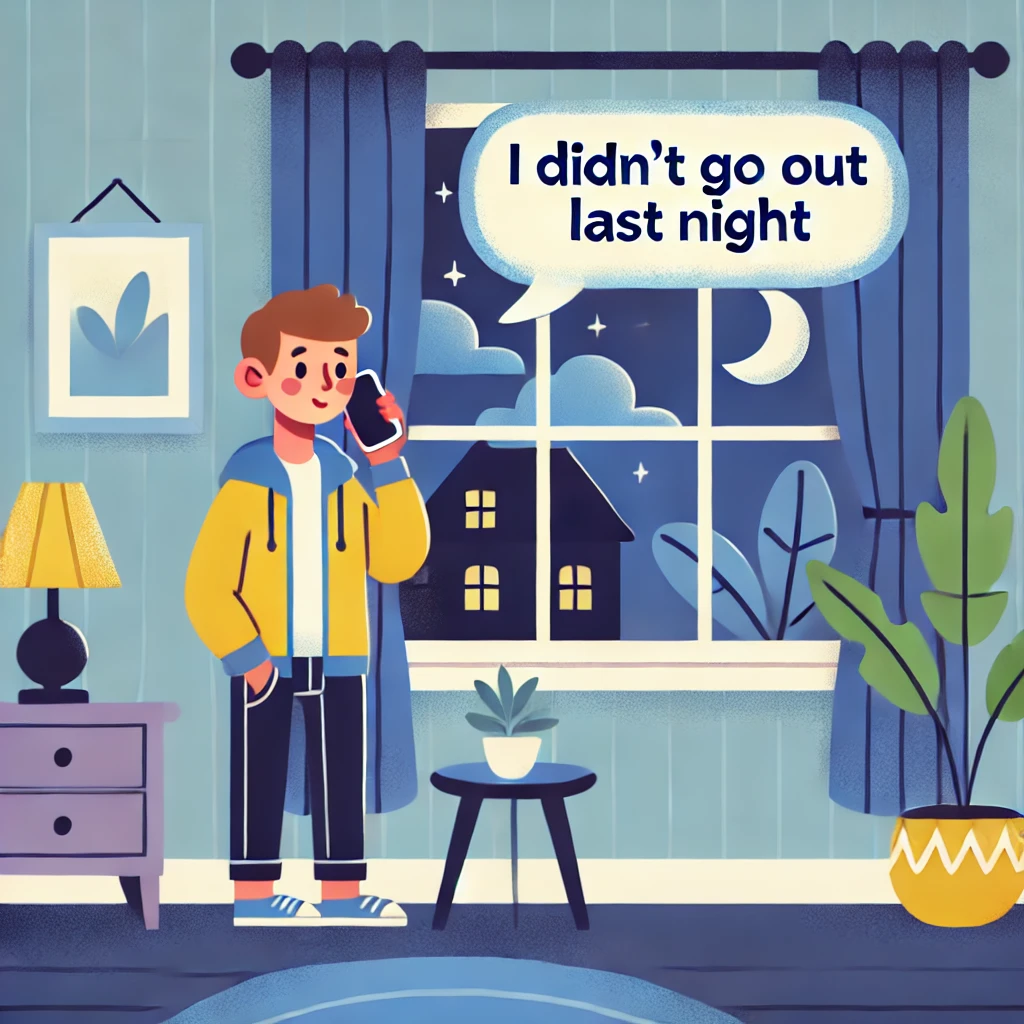
10. I Didn’t Go Out
(Past Simple Negatives — what didn’t happen)
Grammar: Past Simple — negative sentences
Vocabulary: Time markers (yesterday, last night, last week)
Speaking: Say what you didn’t do recently
Listening: “I didn’t go out last night.”
Reading: Simple “lazy weekend” story

11. Did You Go Anywhere?
(Past Simple Questions — asking about trips)
Grammar: Past Simple — questions and short answers
Vocabulary: Travel and transportation
Speaking: Ask and answer questions about past trips
Listening: “Did you visit Antigua?” / “Yes, I did.”
Reading: Short trip review with Q&A
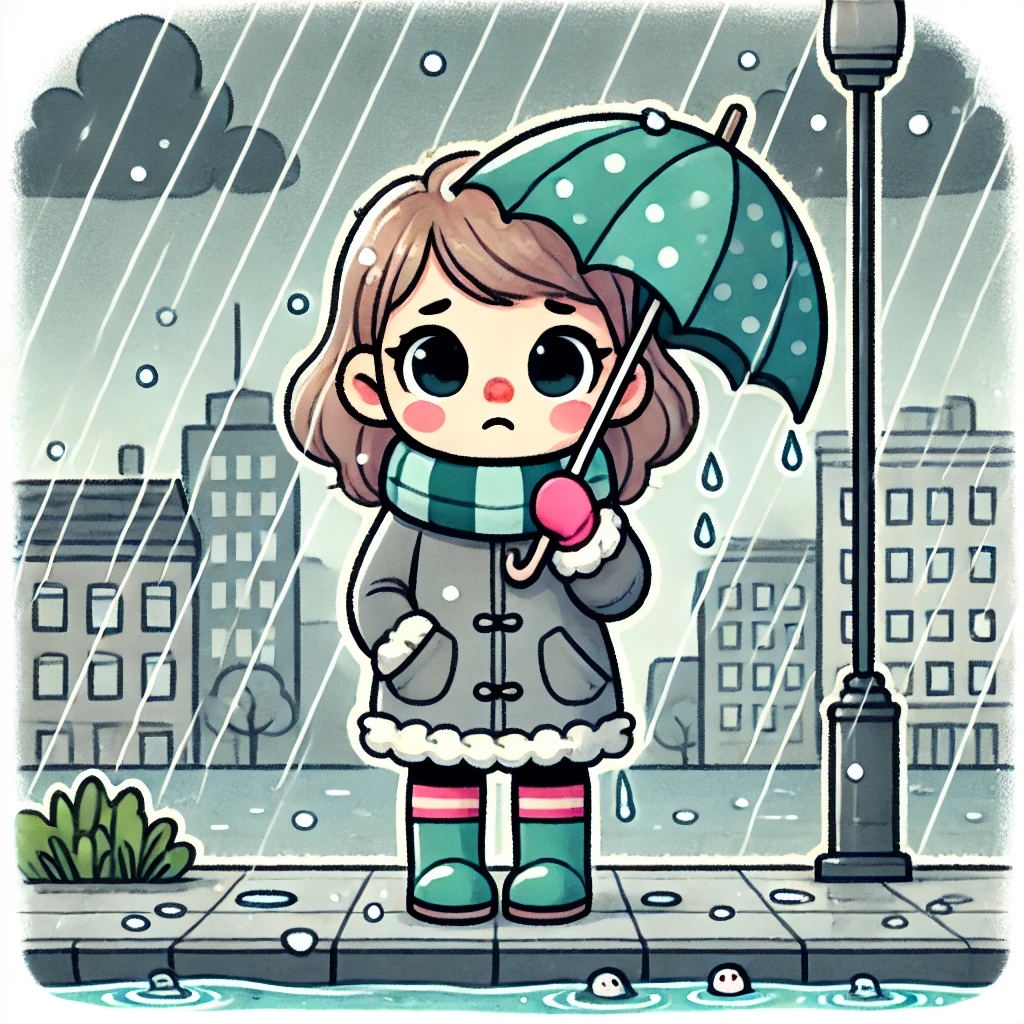
12. Yesterday’s Weather
(Was / Were — descriptions in the past)
Grammar: Was / Were (affirmative and negative)
Vocabulary: Weather and basic emotions
Speaking: Describe how your day was
Listening: “It was rainy and cold yesterday.”
Reading: Short weather report with comments
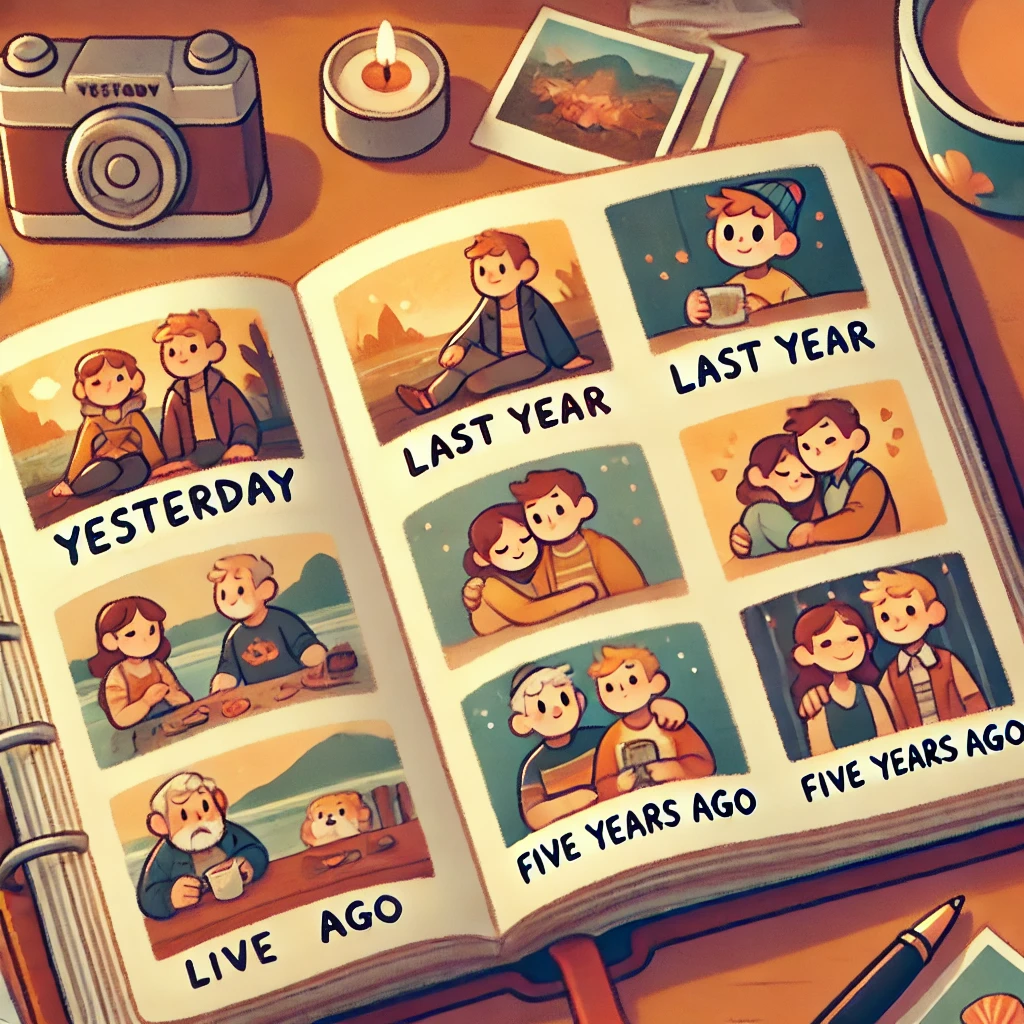
13. Five Years Ago…
(Past Events + Time Phrases — telling memories)
Grammar: Past Simple with time phrases (ago, last, yesterday)
Vocabulary: Life events (moved, started, met, etc.)
Speaking: Share an important memory
Listening: “I met her five years ago.”
Reading: Short biography paragraph
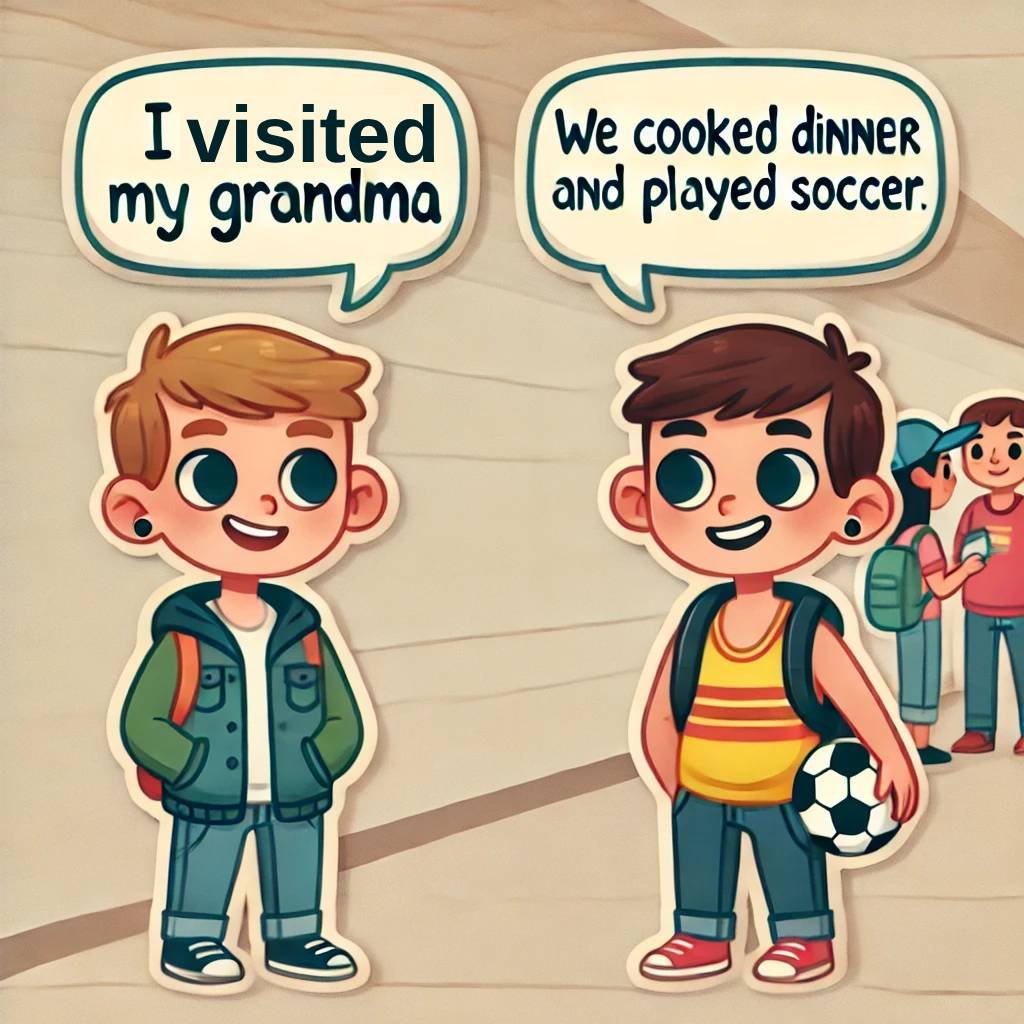
14. My Short Story
(Past Review — putting it all together)
Grammar: Review of past forms (regular, irregular, negatives, questions)
Vocabulary: Review of days 8–13
Speaking: Tell a short past story from beginning to end
Listening: Dialogue: “What did you do last week?”
Reading: Simple narrative with past tense verbs
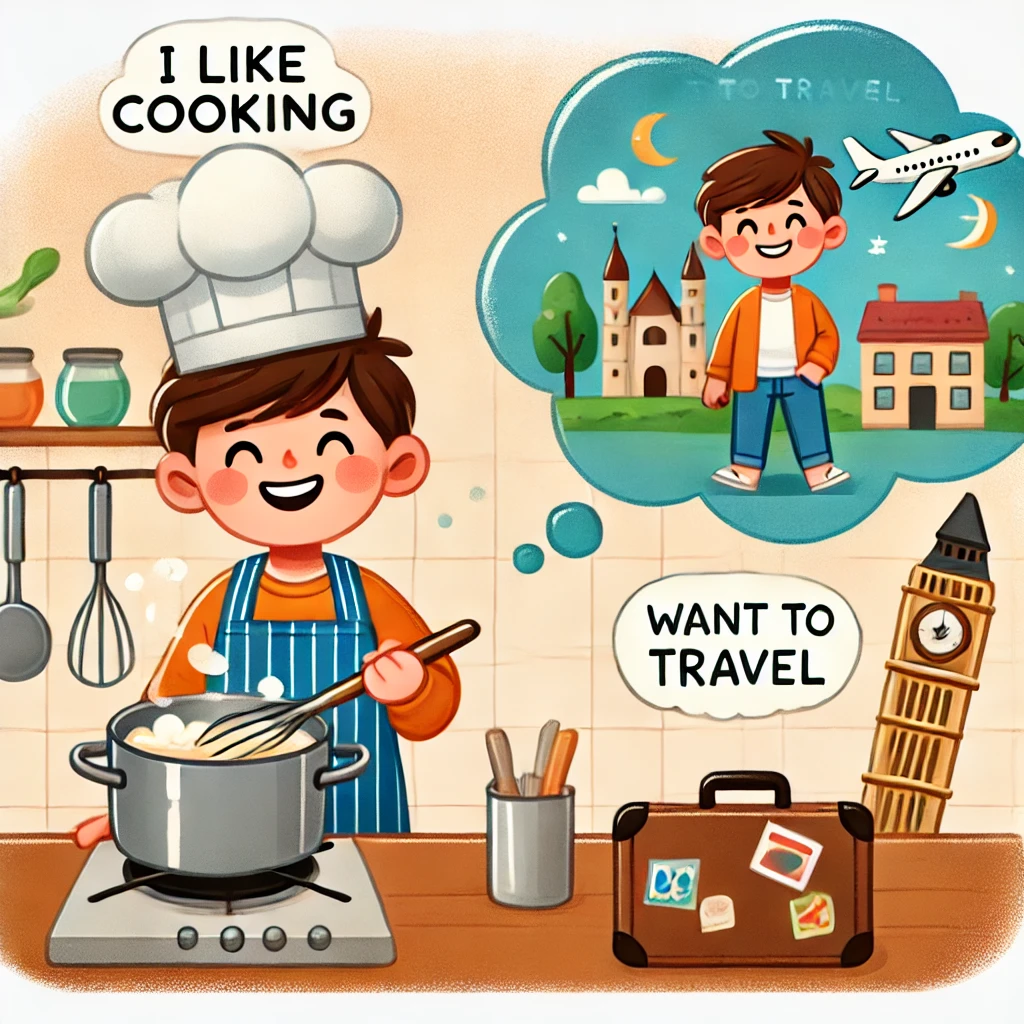
15. Things I Like Doing
(Verb Patterns — like + -ing / want to + verb)
Grammar: like + -ing / love + -ing / want to + verb
Vocabulary: Interests and hobbies
Speaking: Talk about what you like and what you want to do
Listening: “I like cooking, but I want to travel more.”
Reading: Blog-style text about hobbies
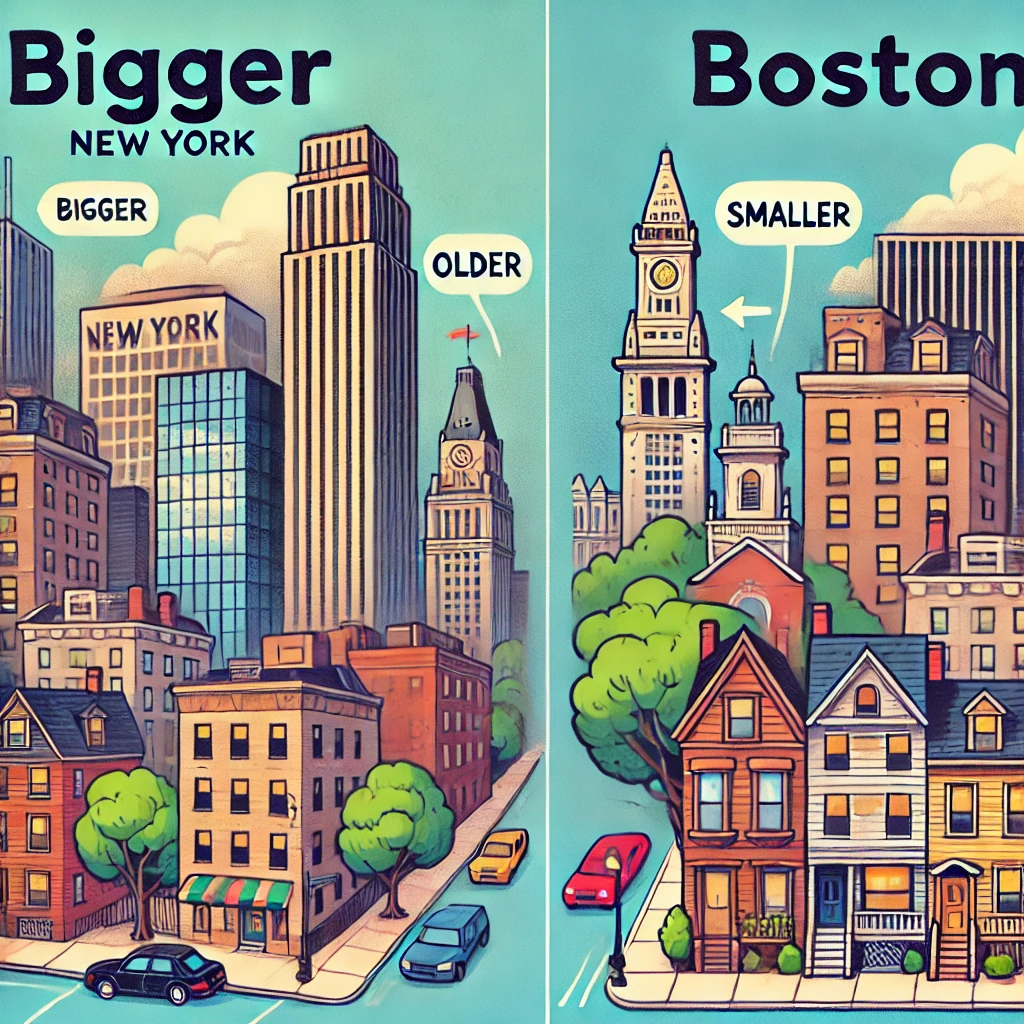
16. Bigger, Faster, Better
(Comparatives — comparing people and places)
Grammar: Comparative adjectives
Vocabulary: Cities, objects, and people
Speaking: Compare two cities, things, or people
Listening: “New York is bigger than Boston.”
Reading: Travel comparison chart or paragraph
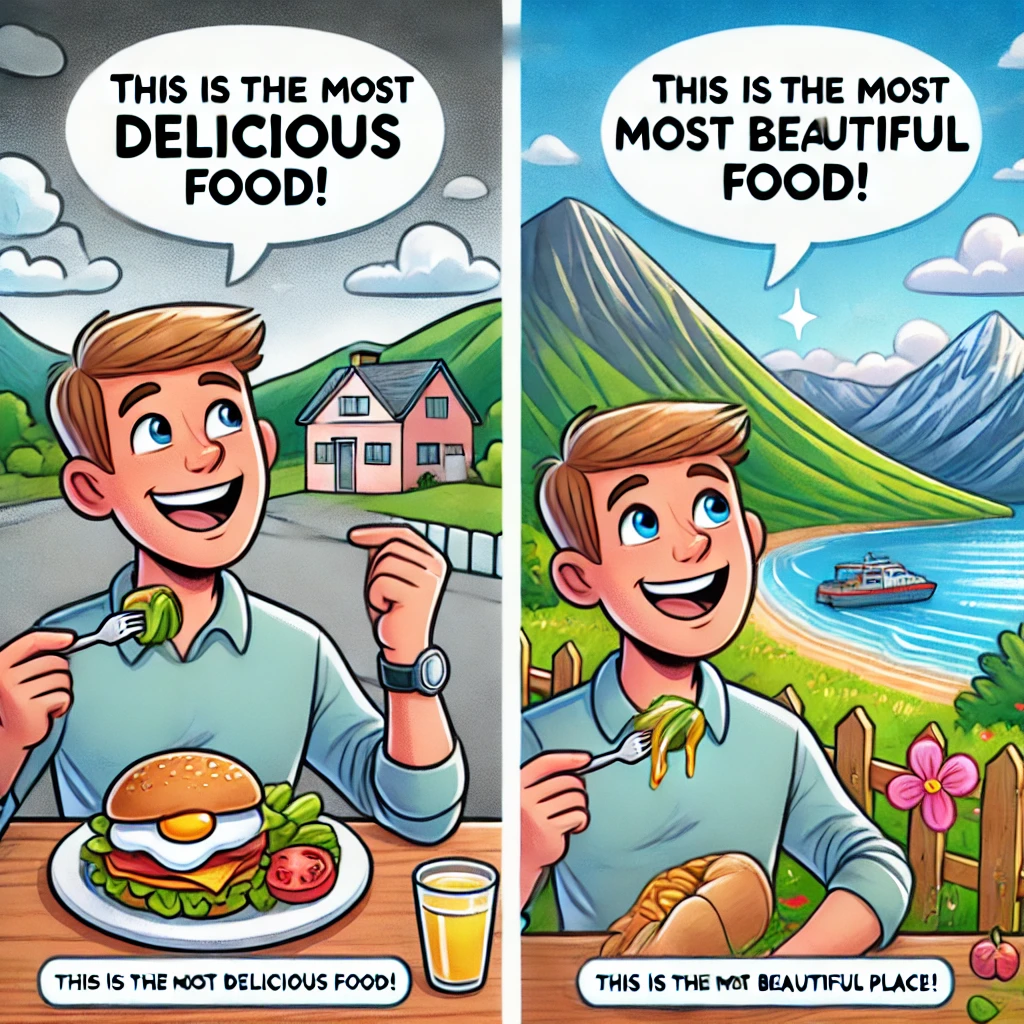
17. The Best in the World
(Superlatives — talking about the “number one”)
Grammar: Superlative adjectives
Vocabulary: Travel and food
Speaking: Talk about the best places or experiences
Listening: “It’s the most beautiful place I’ve seen.”
Reading: Short article ranking “top 3” things
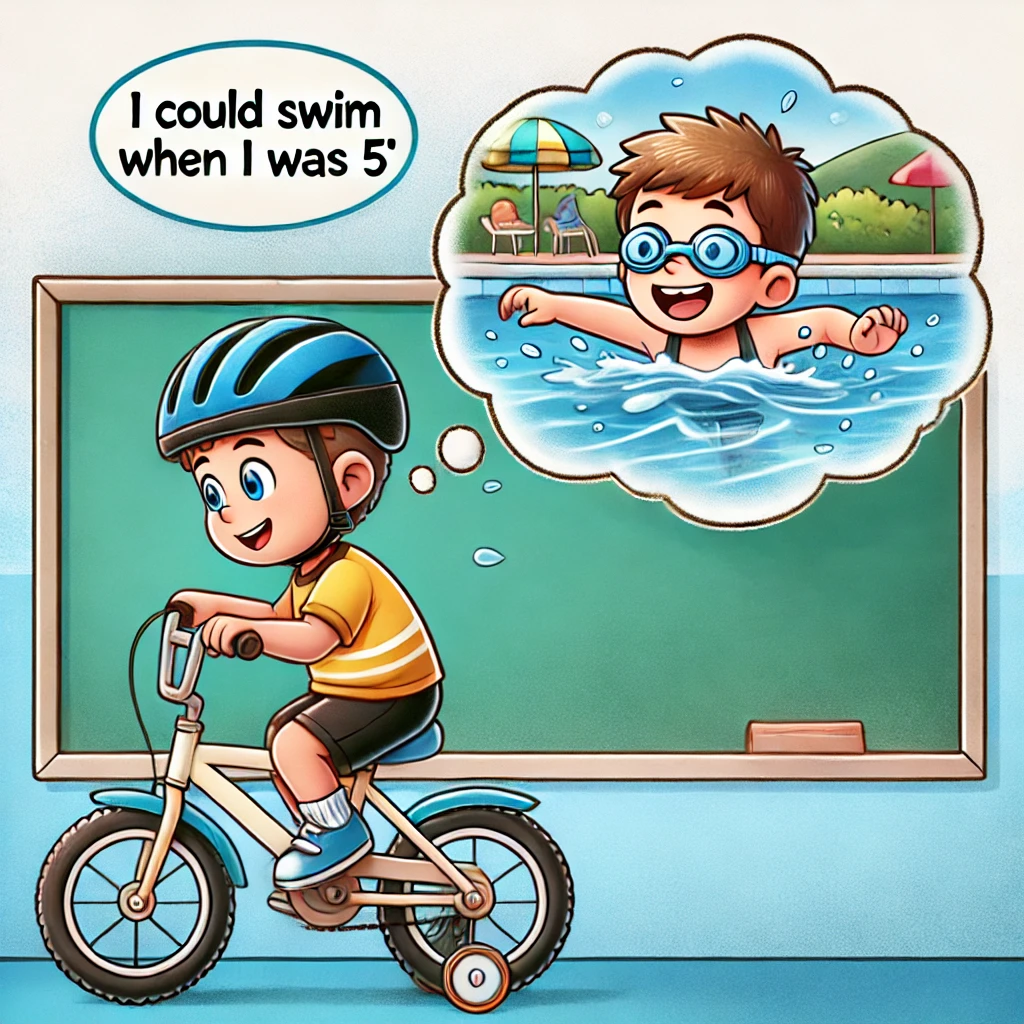
18. What Can You Do?
(Can / Could — abilities and permission)
Grammar: Can / Could for ability and permission
Vocabulary: Talents, skills, and rules
Speaking: Talk about what you can/could do
Listening: “I could swim when I was 5.”
Reading: Simple profile of someone’s skills
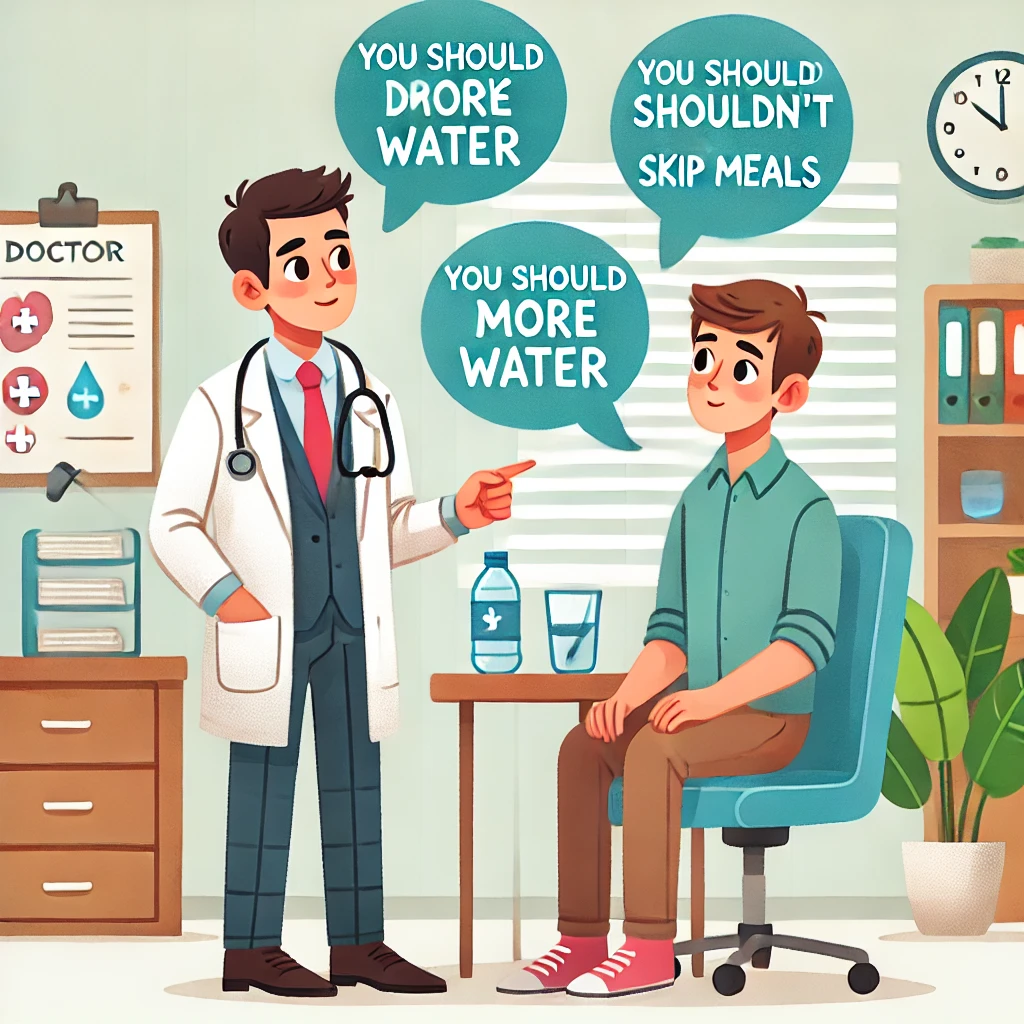
19. You Should Rest
(Should / Shouldn’t — giving basic advice)
Grammar: Should / Shouldn’t
Vocabulary: Health and daily habits
Speaking: Give advice to a friend
Listening: “You should drink more water.”
Reading: Short health tips blog
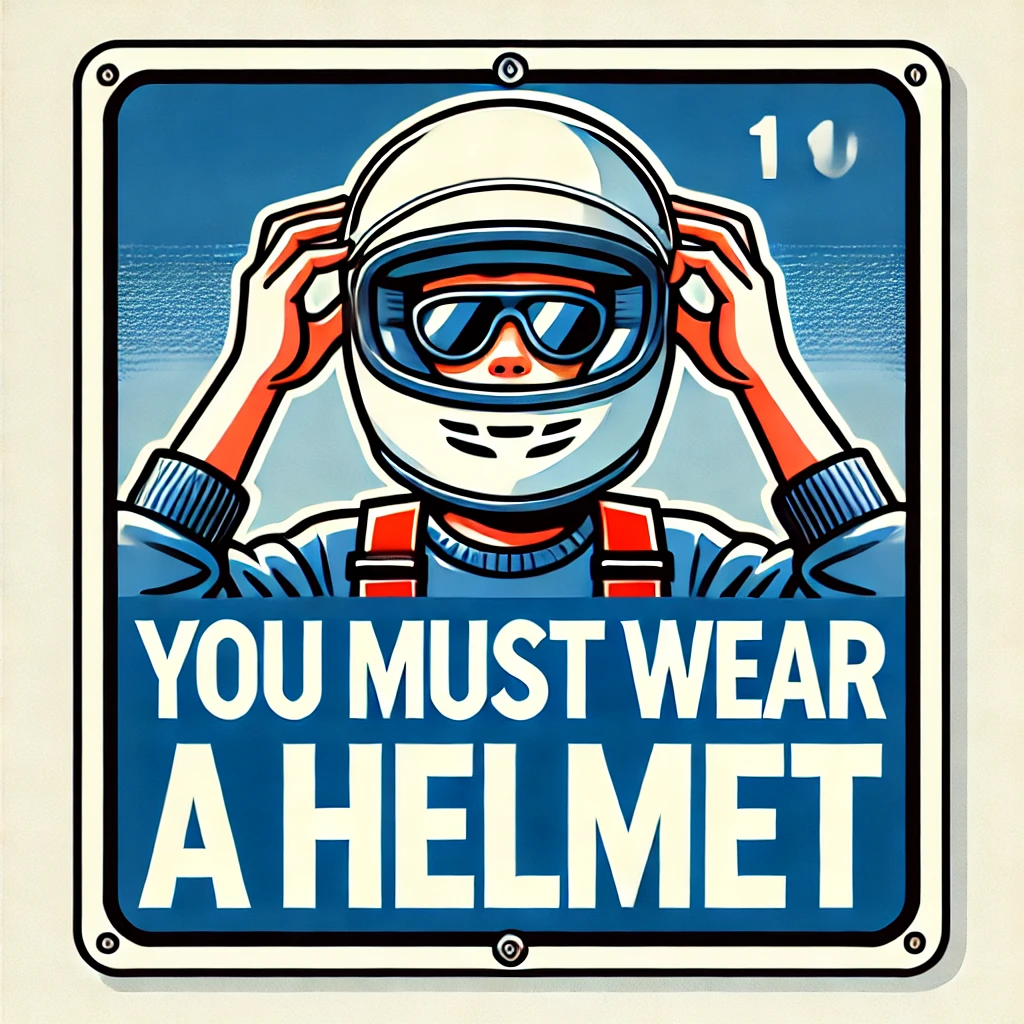
20. Rules of the Road
(Must / Mustn’t — strong rules and obligations)
Grammar: Must / Mustn’t
Vocabulary: Rules, laws, and safety
Speaking: Talk about what is allowed and not allowed
Listening: “You must wear a helmet.”
Reading: Simple rules poster (school, gym, or street)
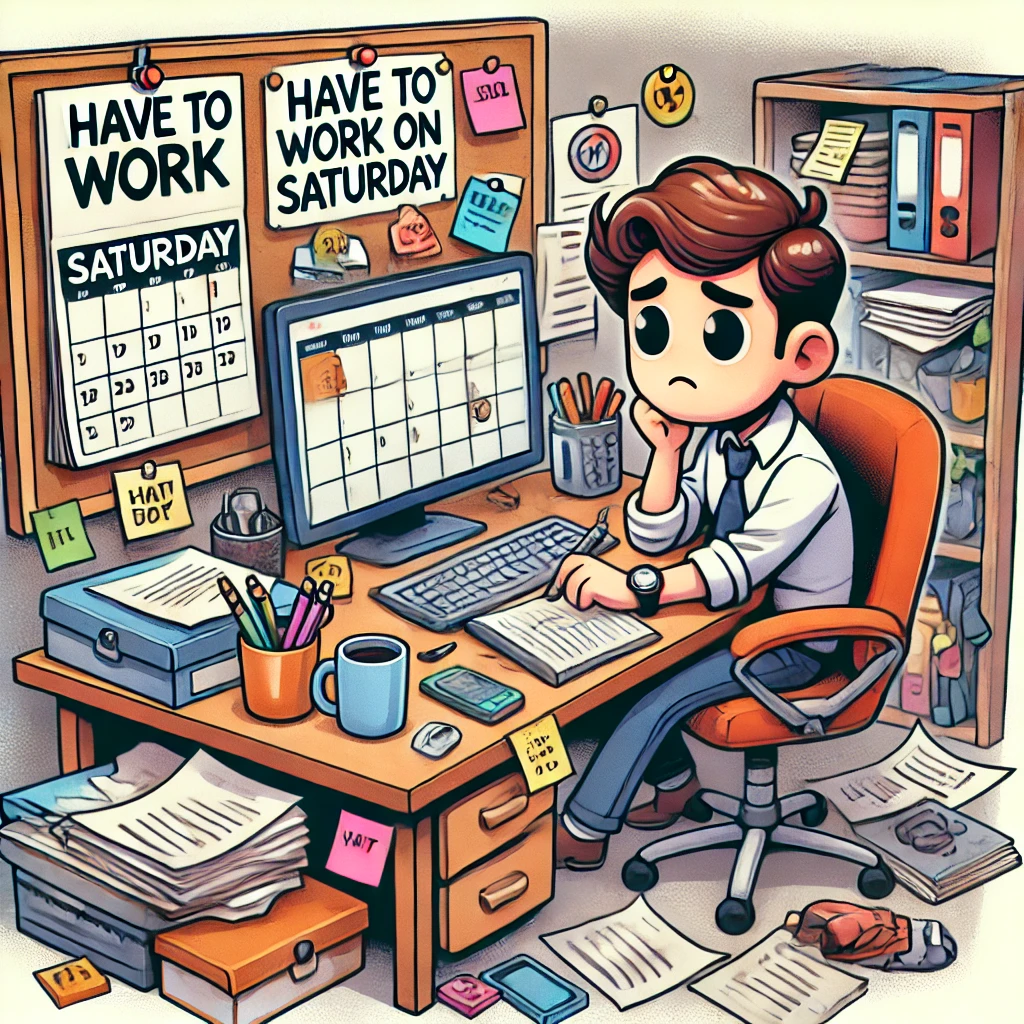
21. I Have to Work
(Have to / Don’t Have to — responsibilities)
Grammar: Have to / Don’t have to
Vocabulary: Responsibilities at home and work
Speaking: Talk about your obligations and free choices
Listening: “I have to work on Saturdays.”
Reading: Daily schedule with notes
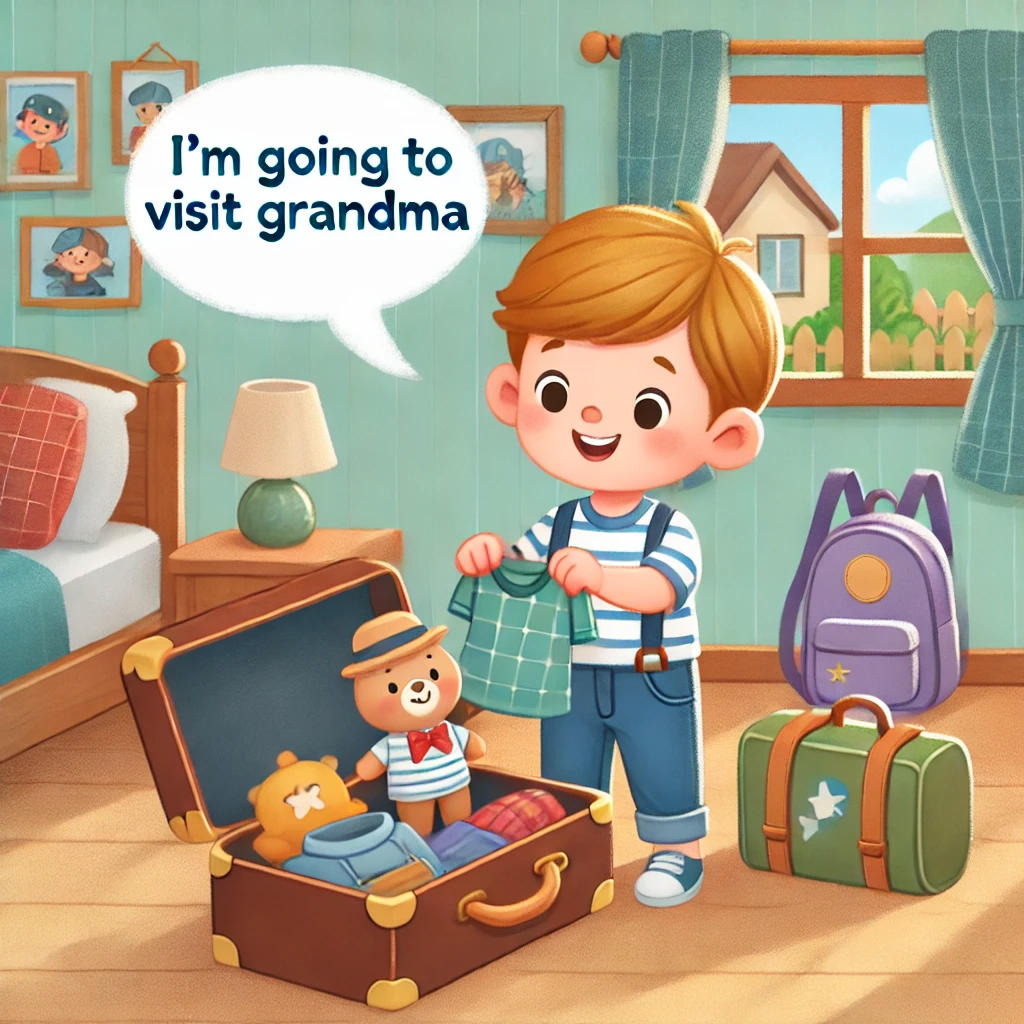
22. This Weekend, I’m Going To…
(Going To — future plans)
Grammar: Be going to + verb (plans and intentions)
Vocabulary: Weekend activities and visits
Speaking: Say what you’re going to do this weekend
Listening: “I’m going to visit my grandmother.”
Reading: Short message about future plans
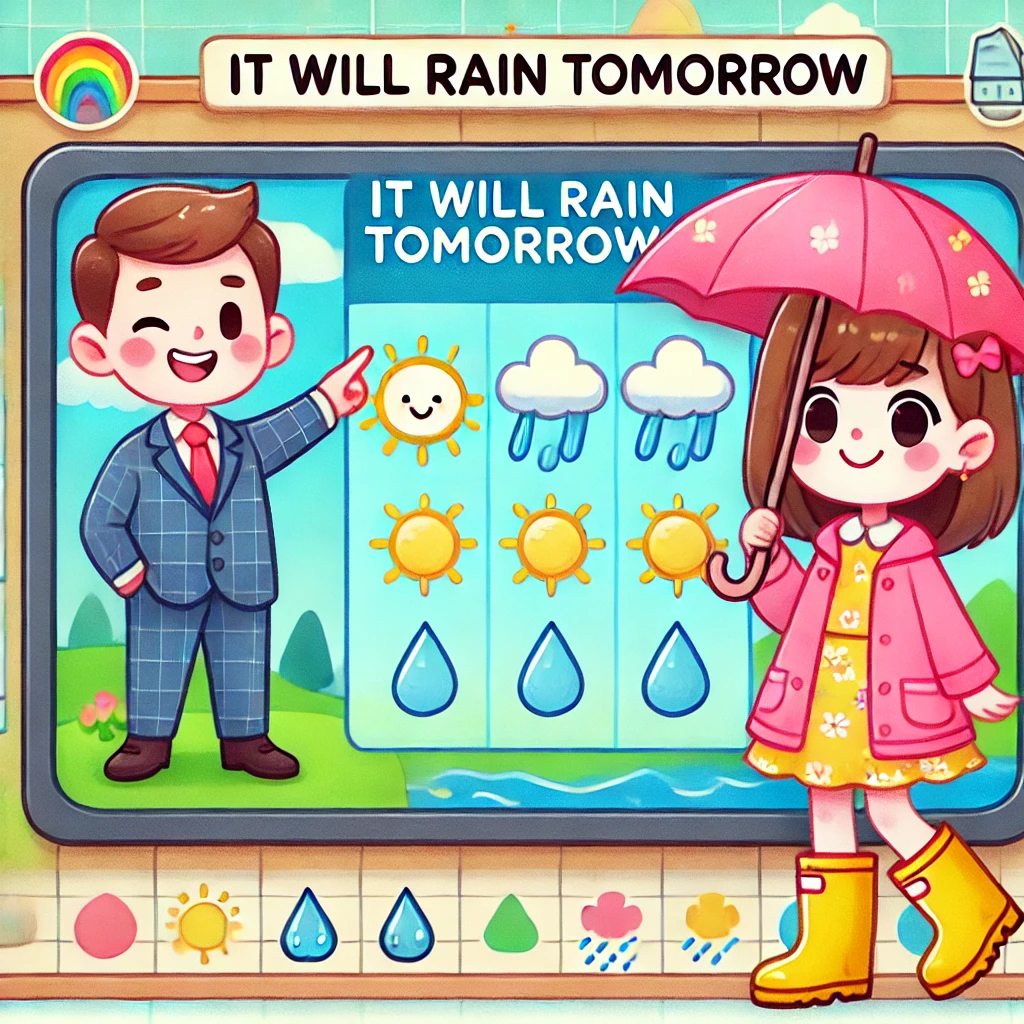
23. It Will Probably Rain
(Will — predictions about the future)
Grammar: Will (future predictions)
Vocabulary: Weather, technology, and future ideas
Speaking: Make simple predictions
Listening: “It will probably rain tomorrow.”
Reading: Weather forecast or future-tech article snippet
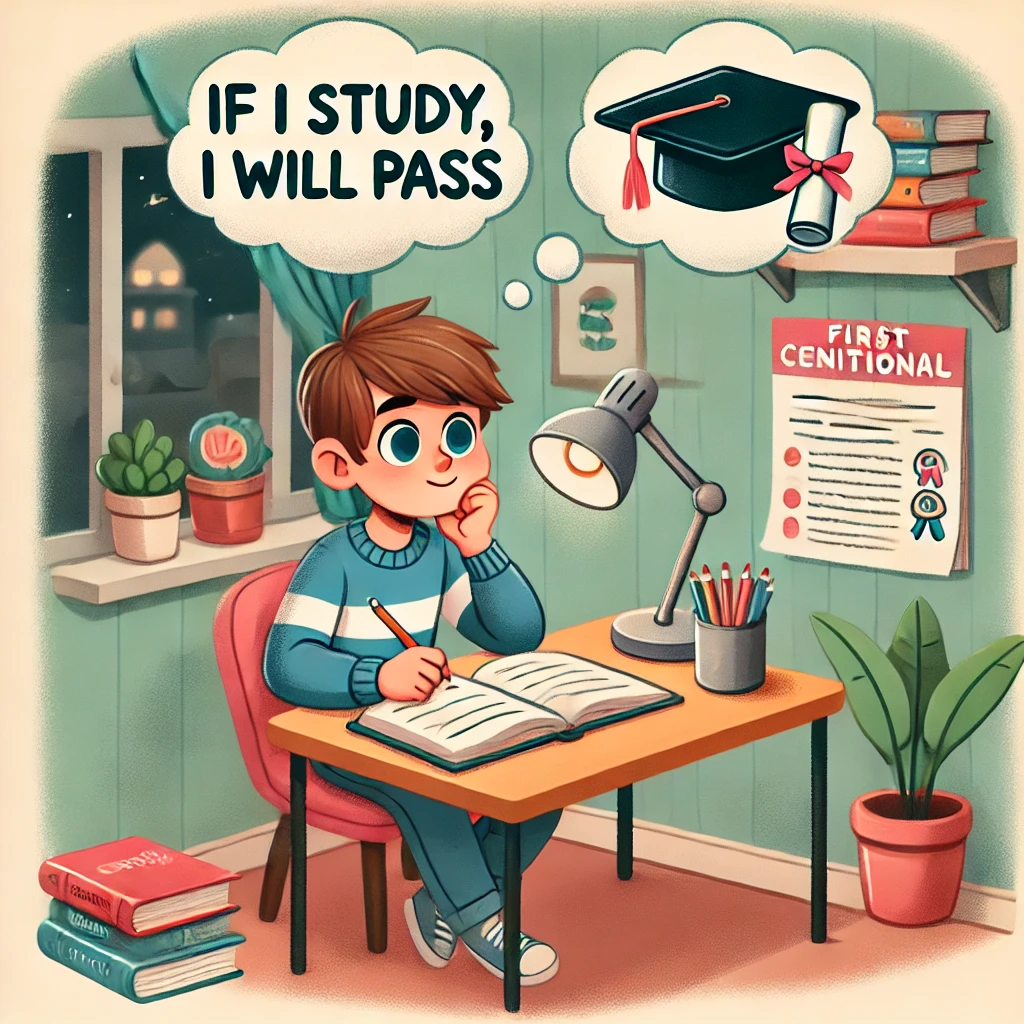
24. If I Study, I’ll Pass
(First Conditional — cause and effect)
Grammar: First conditional (If + present, will + base verb)
Vocabulary: Life choices and consequences
Speaking: Talk about results of different choices
Listening: “If I study, I will pass.”
Reading: Short advice scenario with “if” sentences
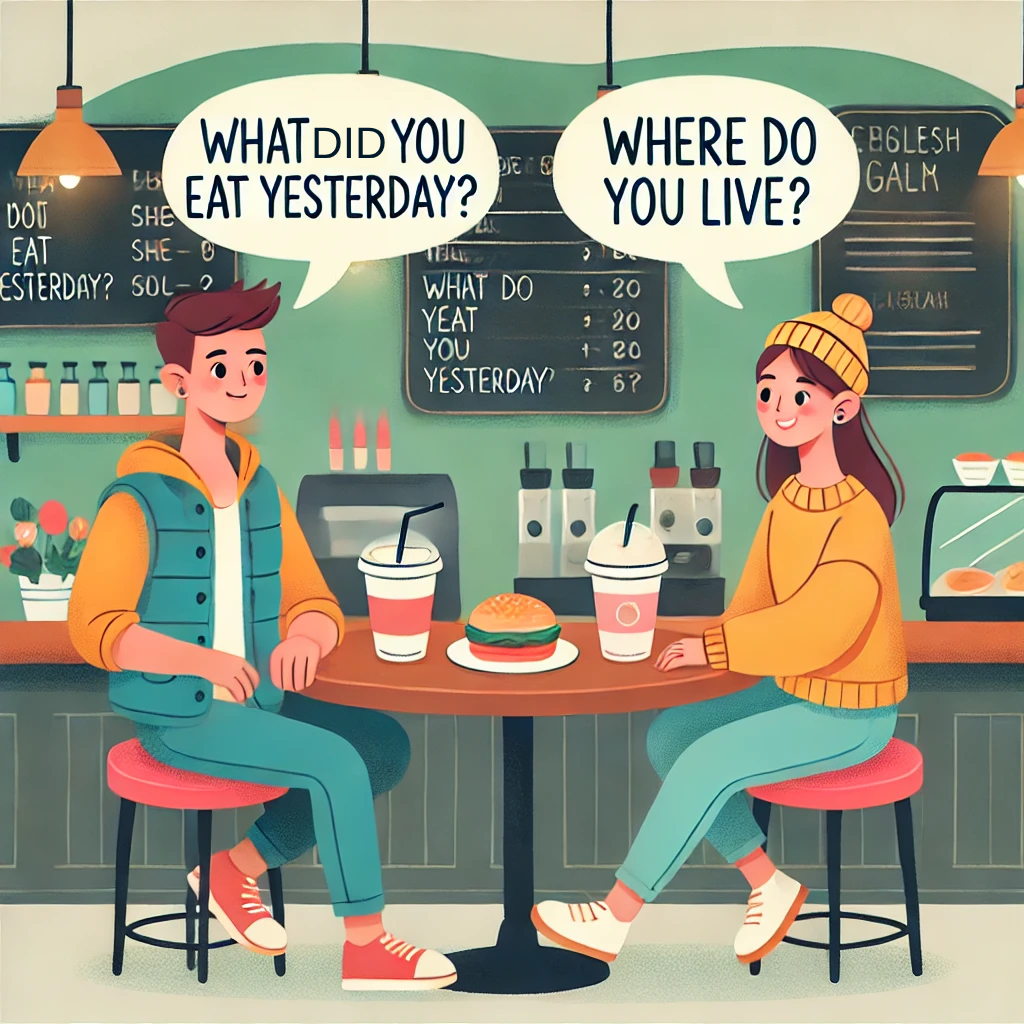
25. Question Time
(Wh- Questions — asking for real information)
Grammar: Wh- questions in present and past
Vocabulary: Common question words and phrases
Speaking: Interview classmates using Wh- questions
Listening: “What did you eat yesterday?”
Reading: Q&A style profile page
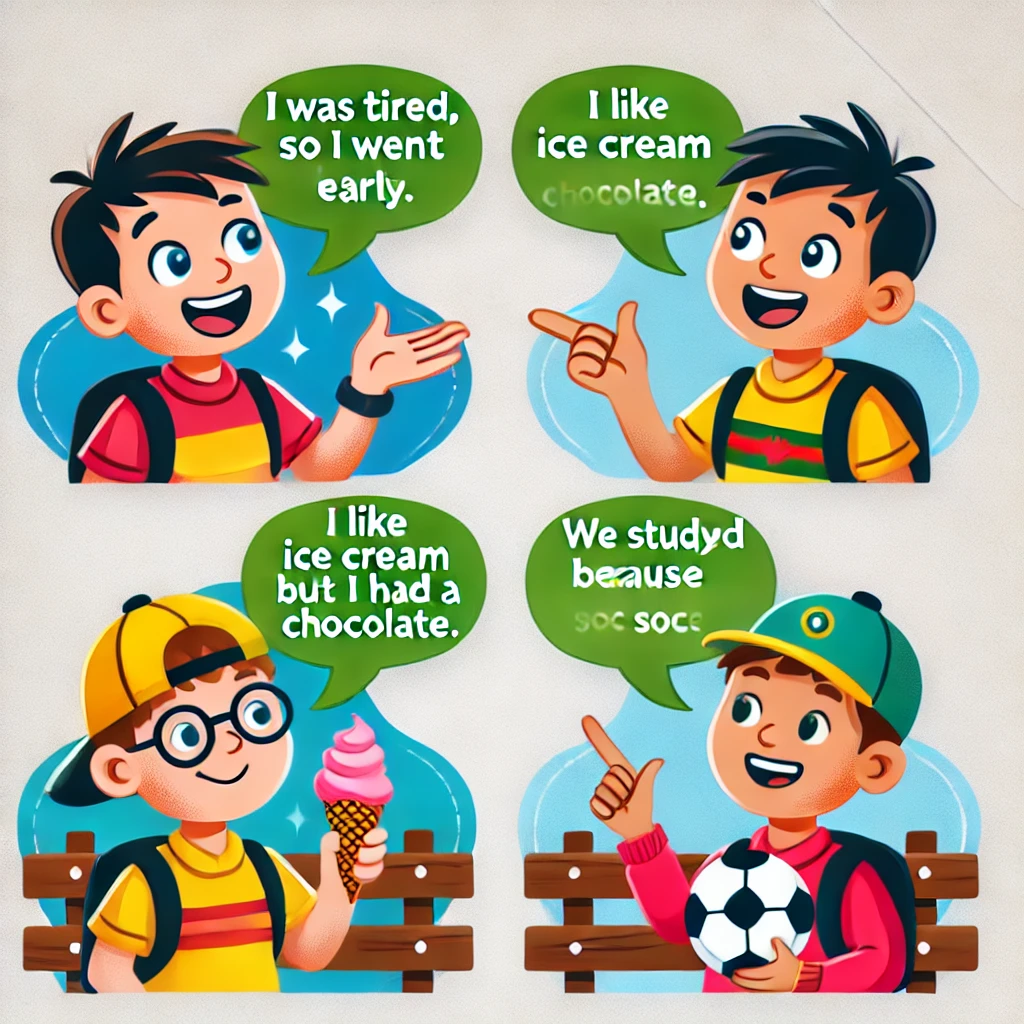
26. Because I Was Tired
(Conjunctions — linking ideas simply)
Grammar: And, but, so, because
Vocabulary: Opinions and reasons
Speaking: Give simple explanations for your choices
Listening: “I stayed home because I was tired.”
Reading: Short opinion paragraph with linking words
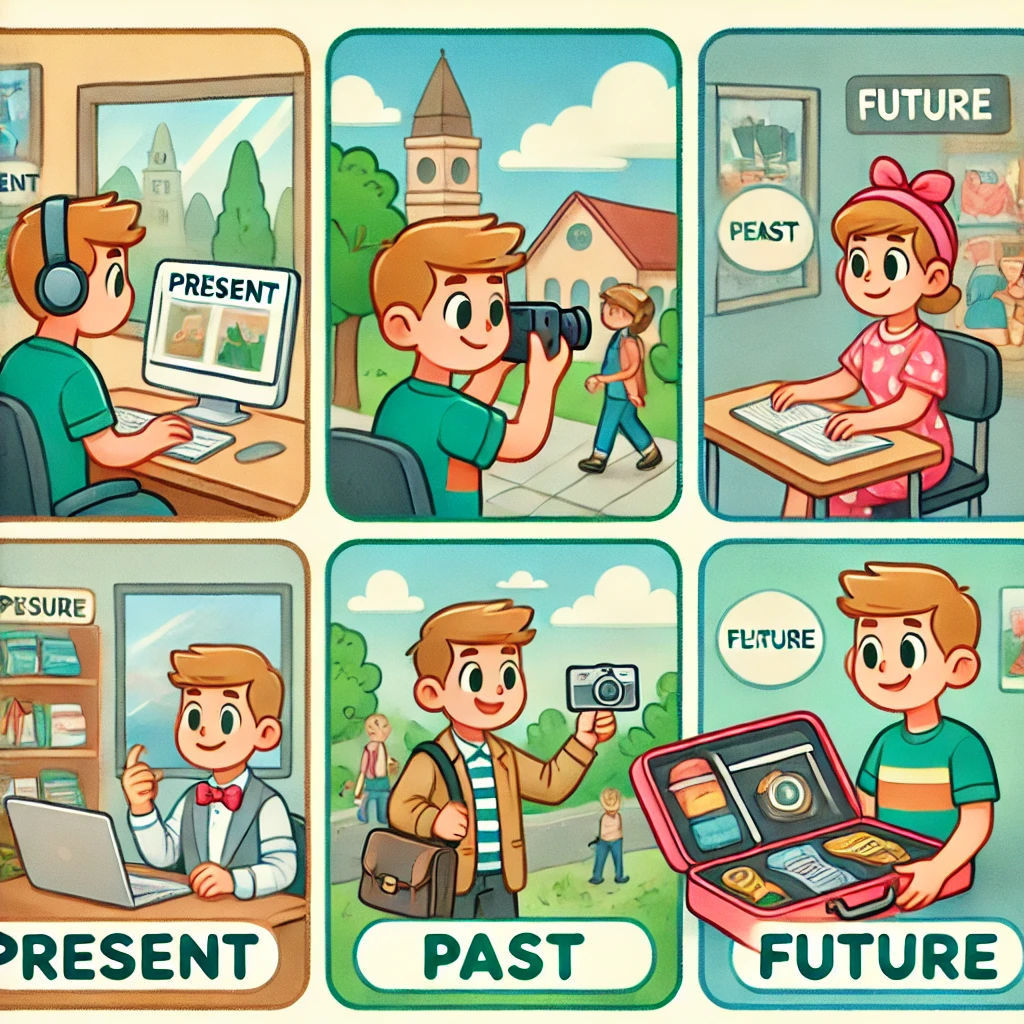
27. My Week in English
(Mixed Review — present, past, and future)
Grammar: Review of present, past, and future forms
Vocabulary: Personal story vocabulary
Speaking: Talk for two minutes about your week
Listening: Real-life recap conversation
Reading: Weekly diary entry

28. This Is Me
(Final Review — full self-presentation)
Grammar: Full consolidation of key A1 structures
Vocabulary: All main topics from the course
Speaking: Self-introduction + personal story (past, present, future)
Listening: Final integrated dialogue
Reading: Short “about me” profile