


Self-Guided Courses
Hello and welcome to Level 7 Elite – Native Flow!
Level 7 is the final stage — Elite English. Here, you speak with the flow and clarity of a native speaker. You will learn to refine your style, handle specialized topics, and express yourself effortlessly. This is English at the highest level — precise, confident, and natural.
Take the final test to prove your skills. You’ll need 22 correct answers to confirm your elite status.
Congratulations — this is the top of the journey.
AVANZADO ALTO


What you learn!
30 lesson topics
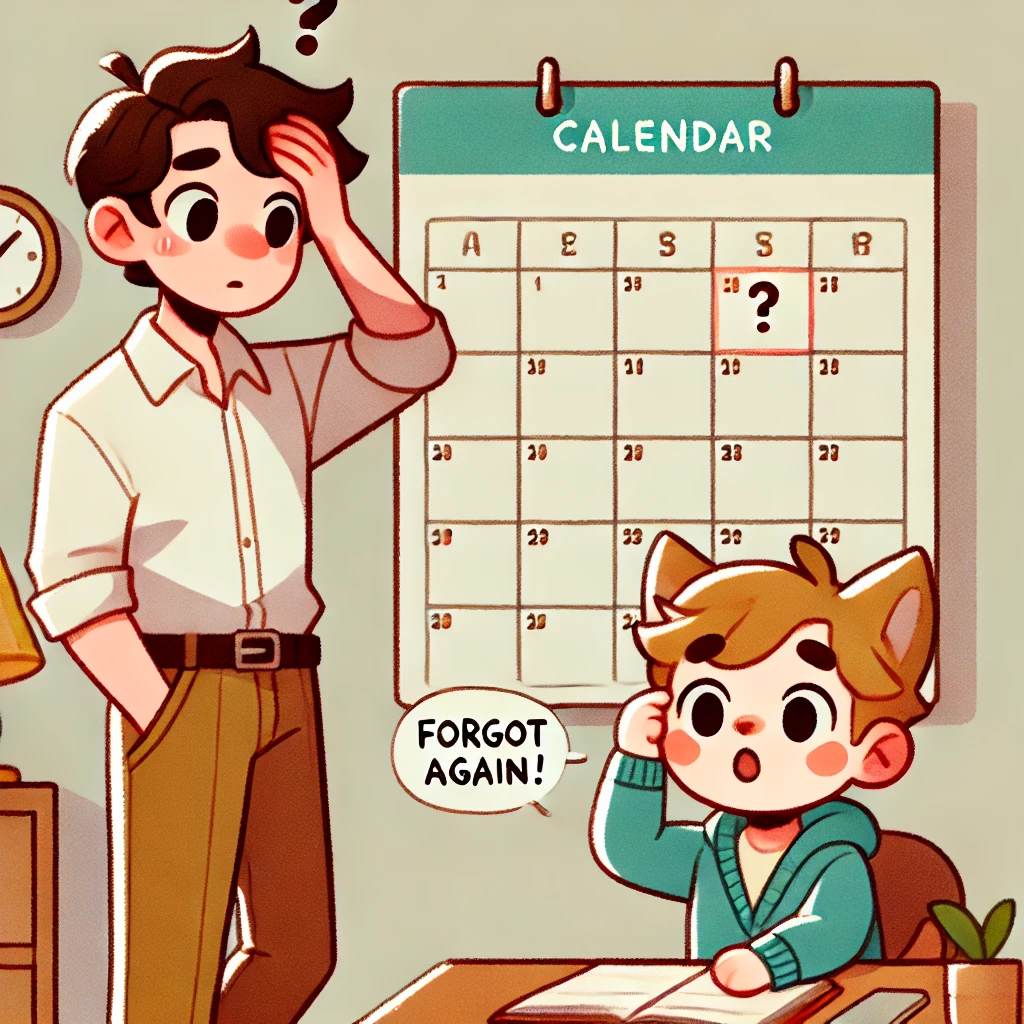
- Grammar: Precision with modals of deduction (must have, might have, can’t have)
- Vocabulary: Logic & speculation
- Speaking: Speculate using indirect evidence
- Listening: “He must have forgotten again.”

- Grammar: Ellipsis & advanced cohesion devices
- Vocabulary: Fluent transitions
- Speaking: Speak naturally using fewer words
- Listening: “He wanted to go, and so did she.”

- Grammar: Cleft sentences for emphasis (What I need is…, The thing I liked was…)
- Vocabulary: Personal/emotional expression
- Speaking: Emphasize clearly
- Listening: “What I found most surprising was…”

Grammar: Inversion with adverbials (Rarely had I…, Seldom had we…)
Vocabulary: Dramatic expression
Speaking: Tell powerful stories
Listening: “Seldom have we seen such dedication.”
Grammar: Native conditionals (mixed, implied)
Vocabulary: Hypothetical thinking
Speaking: Predict, reflect, imagine
Listening: “If I’d known, I wouldn’t have come.”
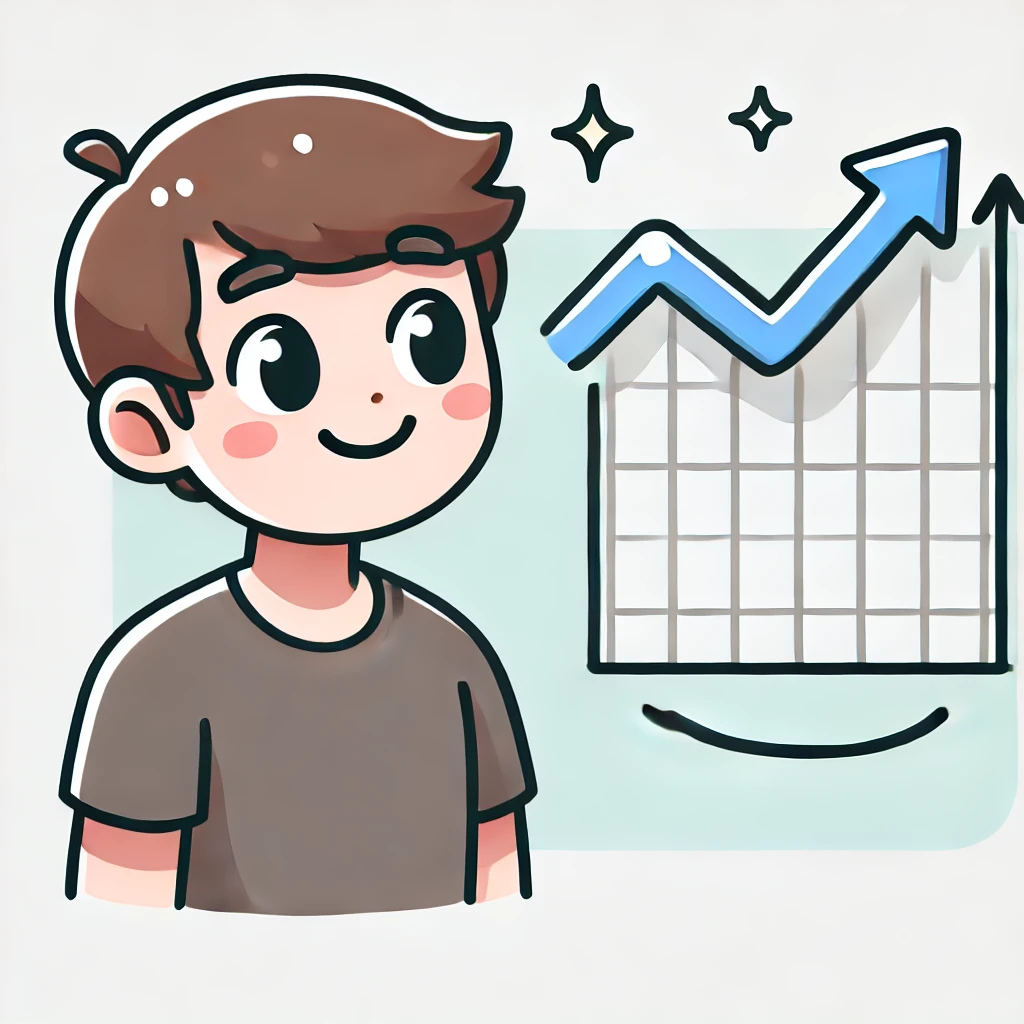
Grammar: Hedging & cautious language (It seems that…, Apparently…)
Vocabulary: Academic & scientific neutrality
Speaking: Avoid absolute claims
Listening: “It appears this trend is reversing.”

Task: Deliver a 4-minute spontaneous talk using inversion, cleft sentences, and hedging.
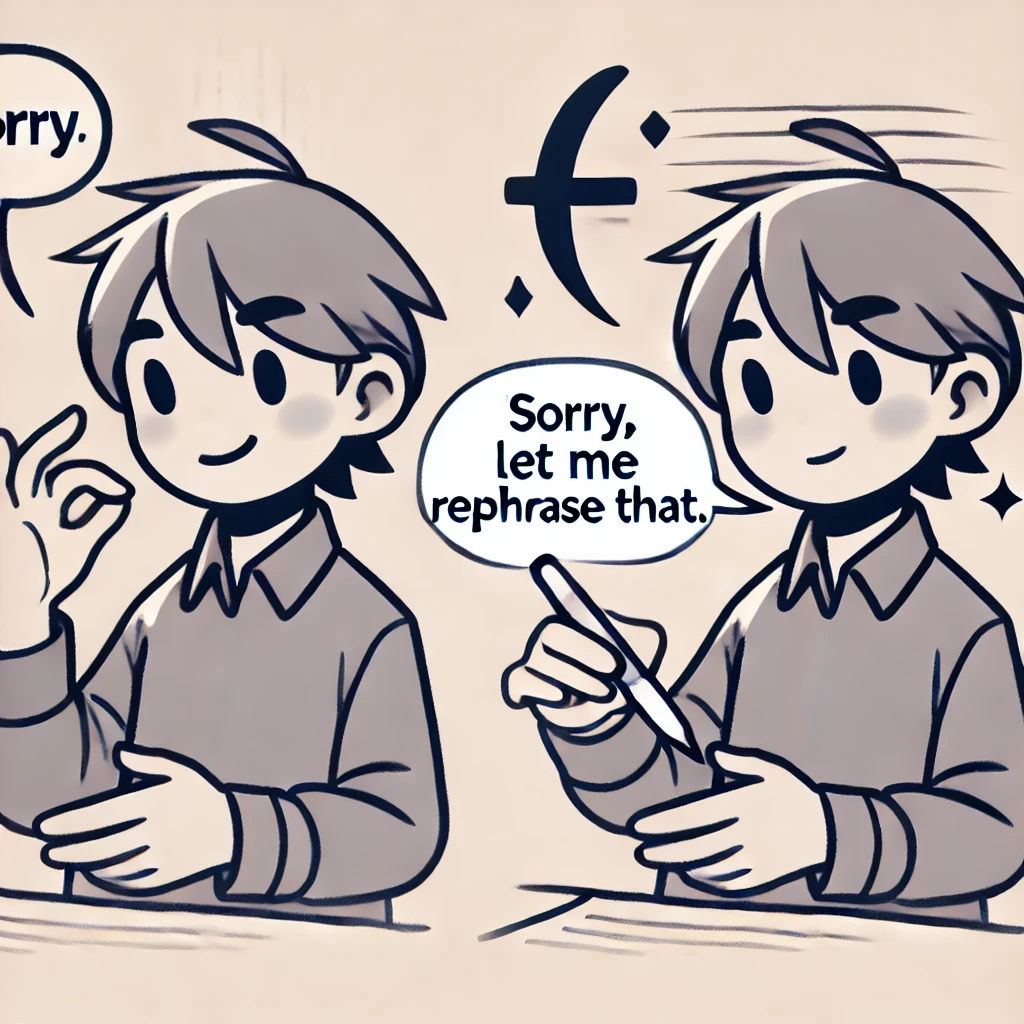
Grammar: Real-time corrections & reformulation
Vocabulary: Repair language (Actually…, What I meant was…)
Speaking: Fix speech mid-sentence
Listening: “Sorry, let me rephrase that.”
Grammar: Referencing devices (this, that, the former…)
Vocabulary: Structured discussions
Speaking: Refer clearly to earlier points
Listening: “That being said, the other option…”
Grammar: Register-sensitive structures
Vocabulary: International English
Speaking: Adjust for global clarity
Listening: “Let me explain that in another way.”
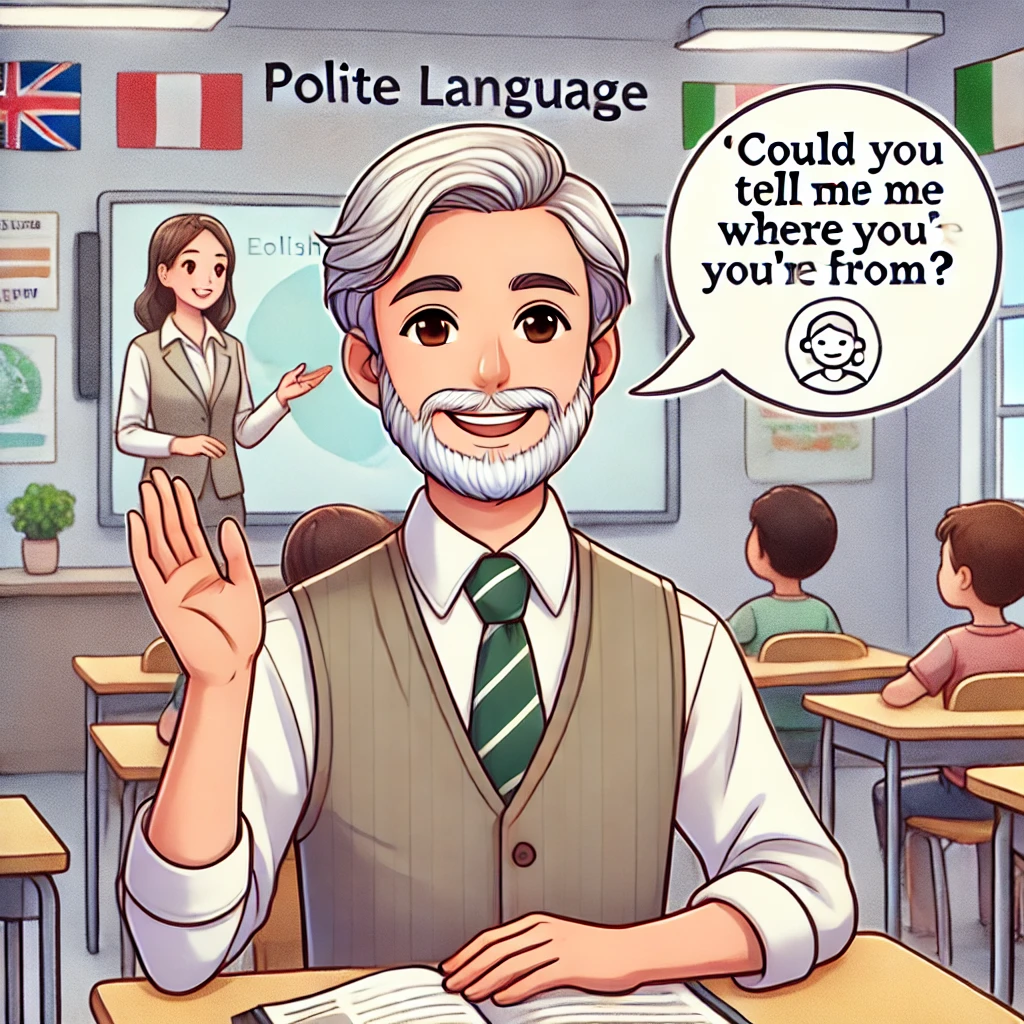
Grammar: Embedded questions
Vocabulary: Polite language
Speaking: Ask naturally and respectfully
Listening: “Could you tell me where you’re from?”

Grammar: Pronunciation review: linking, stress, intonation
Vocabulary: Spoken rhythm & music
Speaking: Speak naturally & fluidly
Listening: “Whatcha gonna do?”
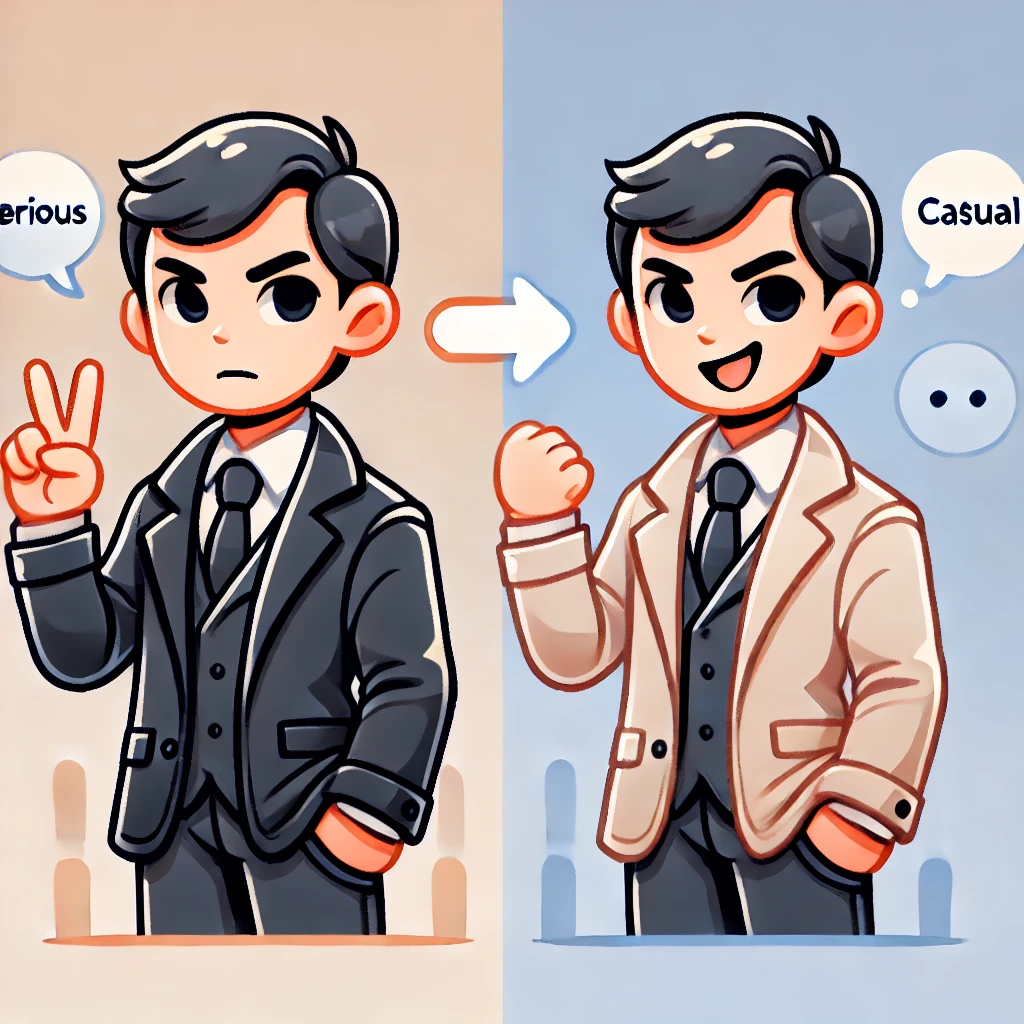
1. What's your name?
* Grammar: Verb “to be” – affirmative
* Vocabulary: Titles, names, alphabet
* Speaking: Introduce yourself
* Listening: “Hi, my name is...”

2. Say Hello and good bye
* Grammar: Verb “to be” – negative
* Vocabulary: Greetings
* Speaking: Say hello and good bye
* Listening: "Hello I am"

3. Numbers
* Grammar: Verb “to be” – questions
* Vocabulary: His, Her
* Speaking: Say phone numbers 1-20
* Listening:"What's his phone number"
3. Where Are You From?
* Grammar: Verb “to be” – questions
* Vocabulary: Countries and nationalities
* Speaking: Ask “Where are you from?”
* Listening: Interview with people from different countries

4. What is he like?
* Grammar: Verb “to be” - all forms
* Vocabulary: Feelings (happy, sad, tired)
* Speaking: Say how you feel and what you are like
* Listening: "I’m not tired today"
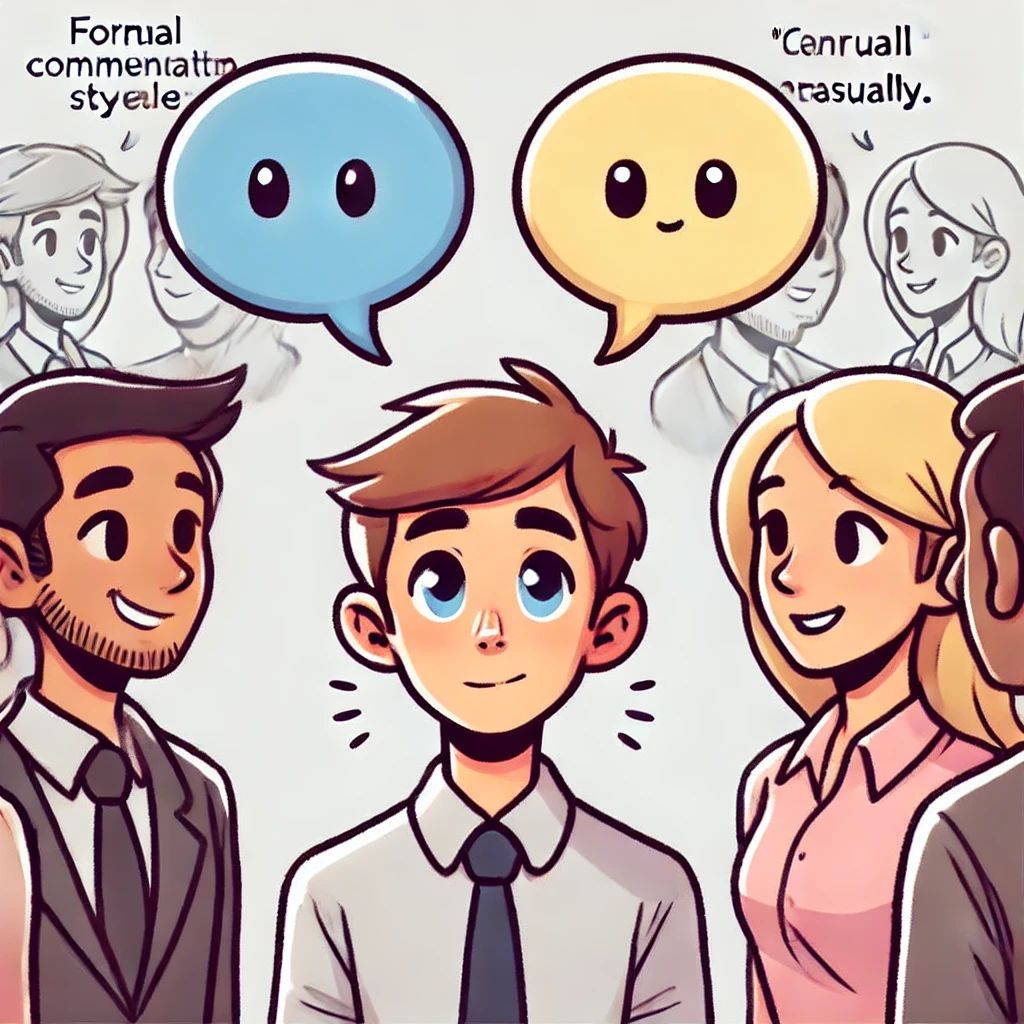
5. Introduce Yourself and Your Family
* Grammar: Personal pronouns (I, you, he, she...)
* Vocabulary: Family
* Speaking: Talk about family members
* Listening: “He is my brother. She is my mom.”

1. What's your name?
* Grammar: Verb “to be” – affirmative
* Vocabulary: Titles, names, alphabet
* Speaking: Introduce yourself
* Listening: “Hi, my name is...”
2. Say Hello and good bye
* Grammar: Verb “to be” – negative
* Vocabulary: Greetings
* Speaking: Say hello and good bye
* Listening: "Hello I am"

3. Numbers
* Grammar: Verb “to be” – questions
* Vocabulary: His, Her
* Speaking: Say phone numbers 1-20
* Listening:"What's his phone number"

3. Where Are You From?
* Grammar: Verb “to be” – questions
* Vocabulary: Countries and nationalities
* Speaking: Ask “Where are you from?”
* Listening: Interview with people from different countries

4. What is he like?
* Grammar: Verb “to be” - all forms
* Vocabulary: Feelings (happy, sad, tired)
* Speaking: Say how you feel and what you are like
* Listening: "I’m not tired today"

5. Introduce Yourself and Your Family
* Grammar: Personal pronouns (I, you, he, she...)
* Vocabulary: Family
* Speaking: Talk about family members
* Listening: “He is my brother. She is my mom.”
1. What's your name?
* Grammar: Verb “to be” – affirmative
* Vocabulary: Titles, names, alphabet
* Speaking: Introduce yourself
* Listening: “Hi, my name is...”

2. Say Hello and good bye
* Grammar: Verb “to be” – negative
* Vocabulary: Greetings
* Speaking: Say hello and good bye
* Listening: "Hello I am"

3. Numbers
* Grammar: Verb “to be” – questions
* Vocabulary: His, Her
* Speaking: Say phone numbers 1-20
* Listening:"What's his phone number"

3. Where Are You From?
* Grammar: Verb “to be” – questions
* Vocabulary: Countries and nationalities
* Speaking: Ask “Where are you from?”
* Listening: Interview with people from different countries

4. What is he like?
* Grammar: Verb “to be” - all forms
* Vocabulary: Feelings (happy, sad, tired)
* Speaking: Say how you feel and what you are like
* Listening: "I’m not tired today"