


Self-Guided Courses
Hello and welcome to Level 5 – Connector!
In this super level, you are no longer just speaking English — you’re connecting ideas.
You will learn to debate, explain opinions, and handle complex conversations.
This level builds your fluency and prepares you for professional and academic settings.
Step by step, you’ll gain the confidence to express yourself naturally in English.
If you’re ready to connect your English to the real world, take the test now. You’ll need 18 correct answers to move on.
Good luck — you’re closer than ever!
INTERMEDIO ALTO



What you learn!
30 lesson topics

1. The Job Offer Dilemma
(Advanced Conditionals & Decision-Making)
Grammar: Advanced conditionals (formal, inverted, hypothetical)
Vocabulary: Decisions, opportunities, life choices
Speaking: Discuss consequences and evaluate options
Listening: “Were I to accept the offer, I’d…”
Reading: Short scenario about choosing between two job opportunities
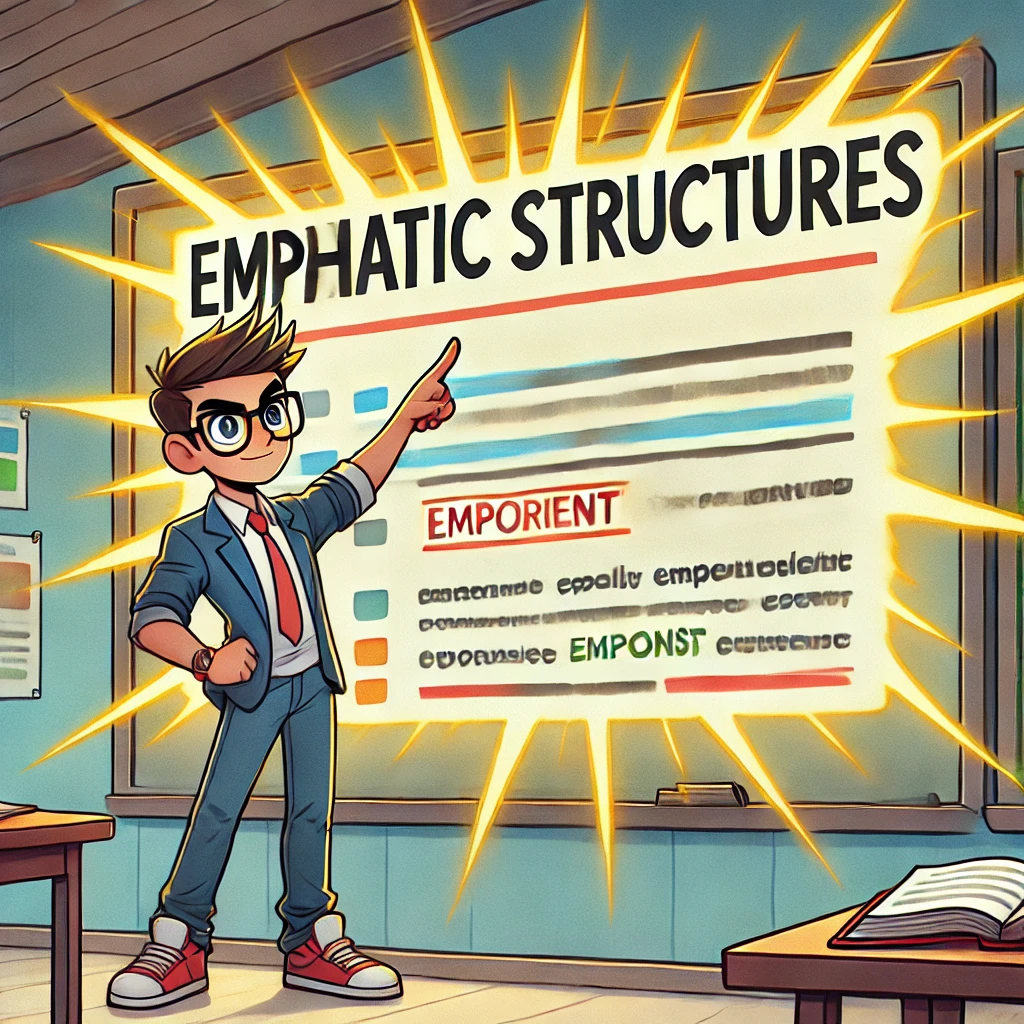
2. What I Really Need Right Now
(Priorities, Preferences & Emphatic Structures)
Grammar: Emphatic structures (What I need is…, The thing I want is…)
Vocabulary: Priorities, needs, personal goals
Speaking: Express what matters most and justify priorities
Listening: “What I need is time.”
Reading: Mini-dialogue about balancing goals, time, and resources
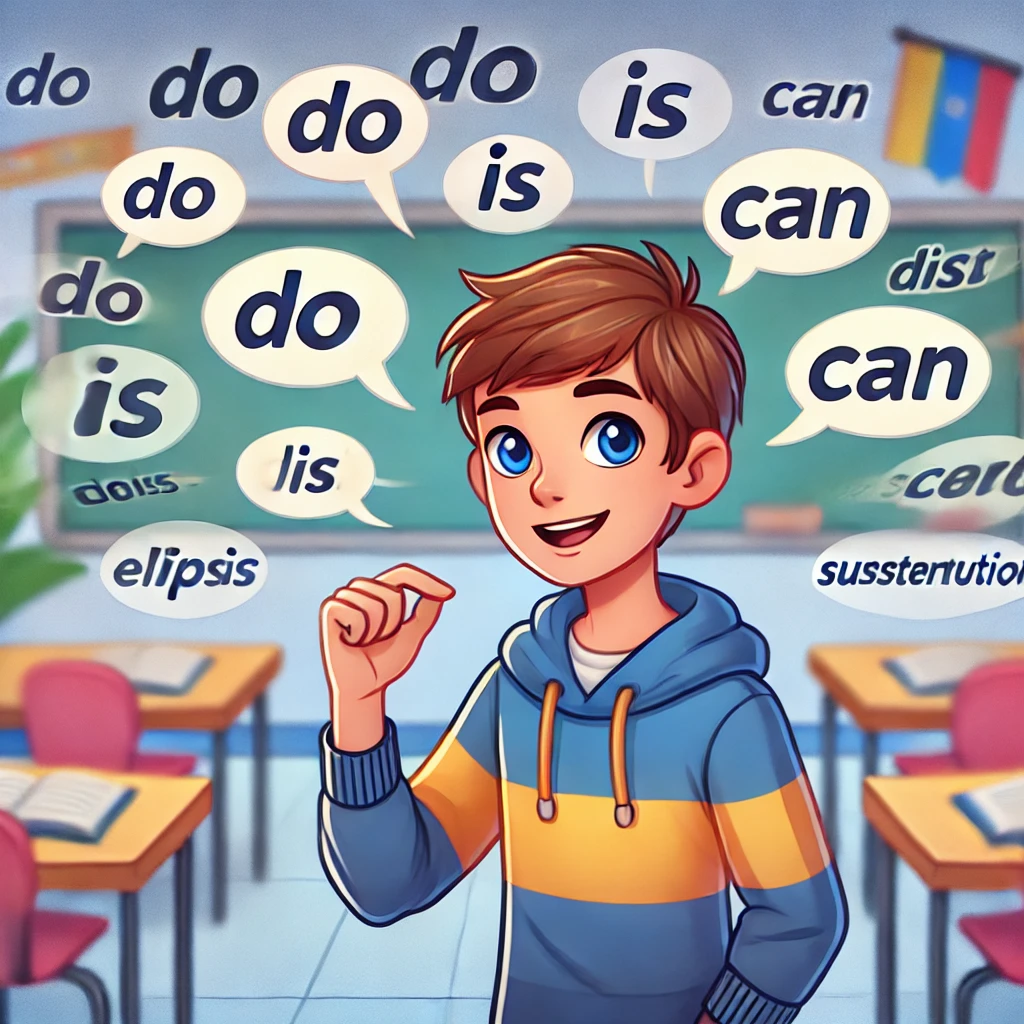
3. Say Less, Mean More
(Natural Speech with Ellipsis & Substitution)
Grammar: Ellipsis and substitution (avoiding repetition)
Vocabulary: Daily conversation patterns
Speaking: Speak naturally and concisely in real dialogues
Listening: “I liked the red one. She did too.”
Reading: Short conversation showing reduced forms and natural replies
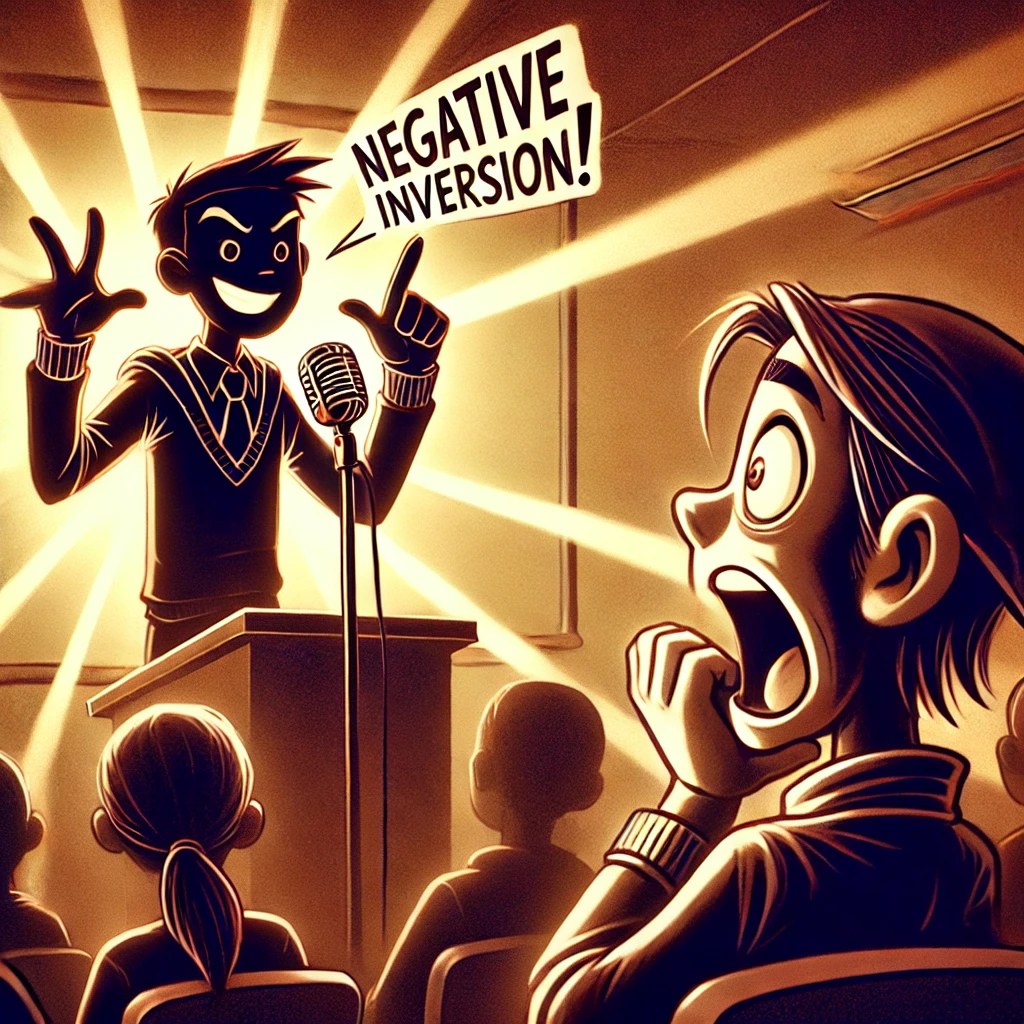
4. Moments I’ll Never Forget
(Advanced Storytelling)
Grammar: Inversion with negative adverbials
Vocabulary: Descriptive & emotional storytelling
Speaking: Add emotion, emphasis, and narrative structure
Listening: “Never have I felt so alive.”
Reading: Short anecdote featuring a dramatic or surprising moment
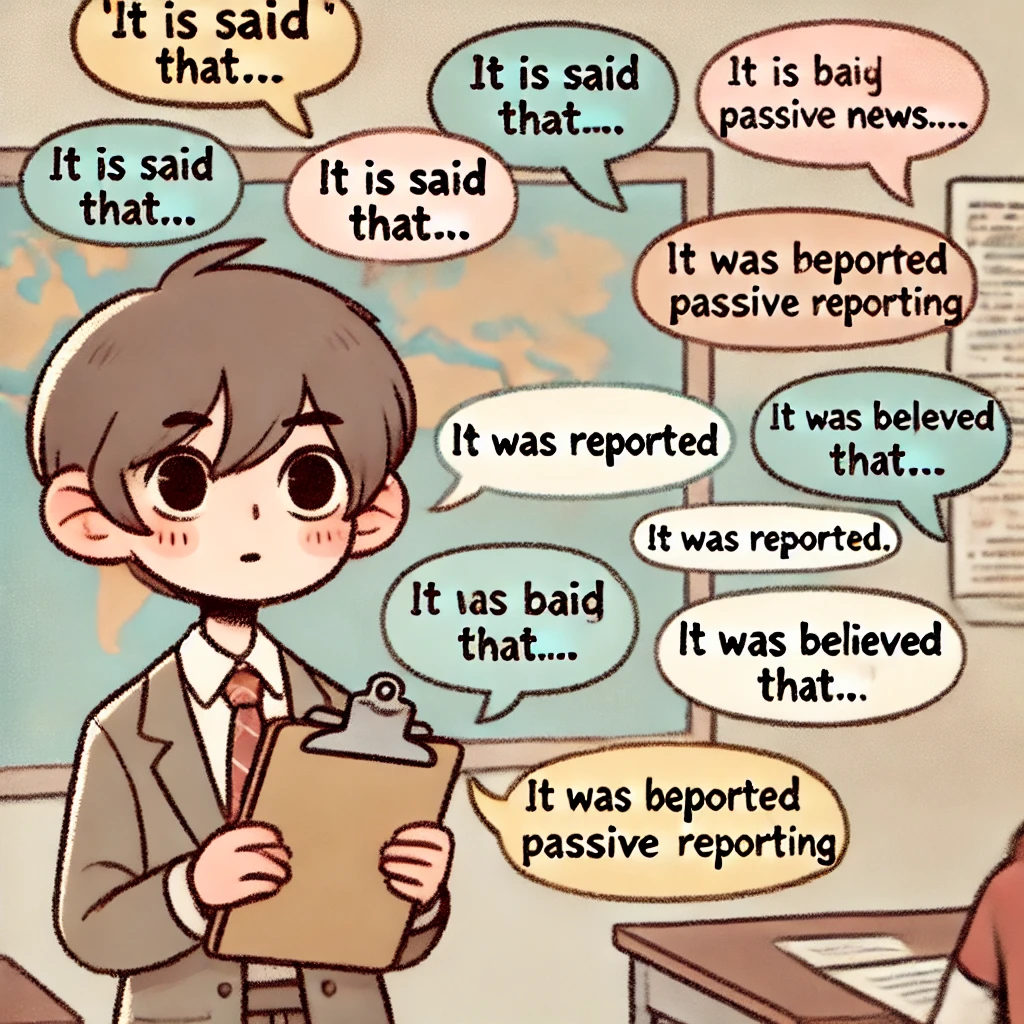
5. What People Are Saying
(Reporting & Formal Information Flow)
Grammar: Passive reporting structures (It is said that…, It is believed that…)
Vocabulary: News, reports, public statements
Speaking: Report information objectively and formally
Listening: “It is believed that…”
Reading: News-style paragraph summarizing opinions or public statements
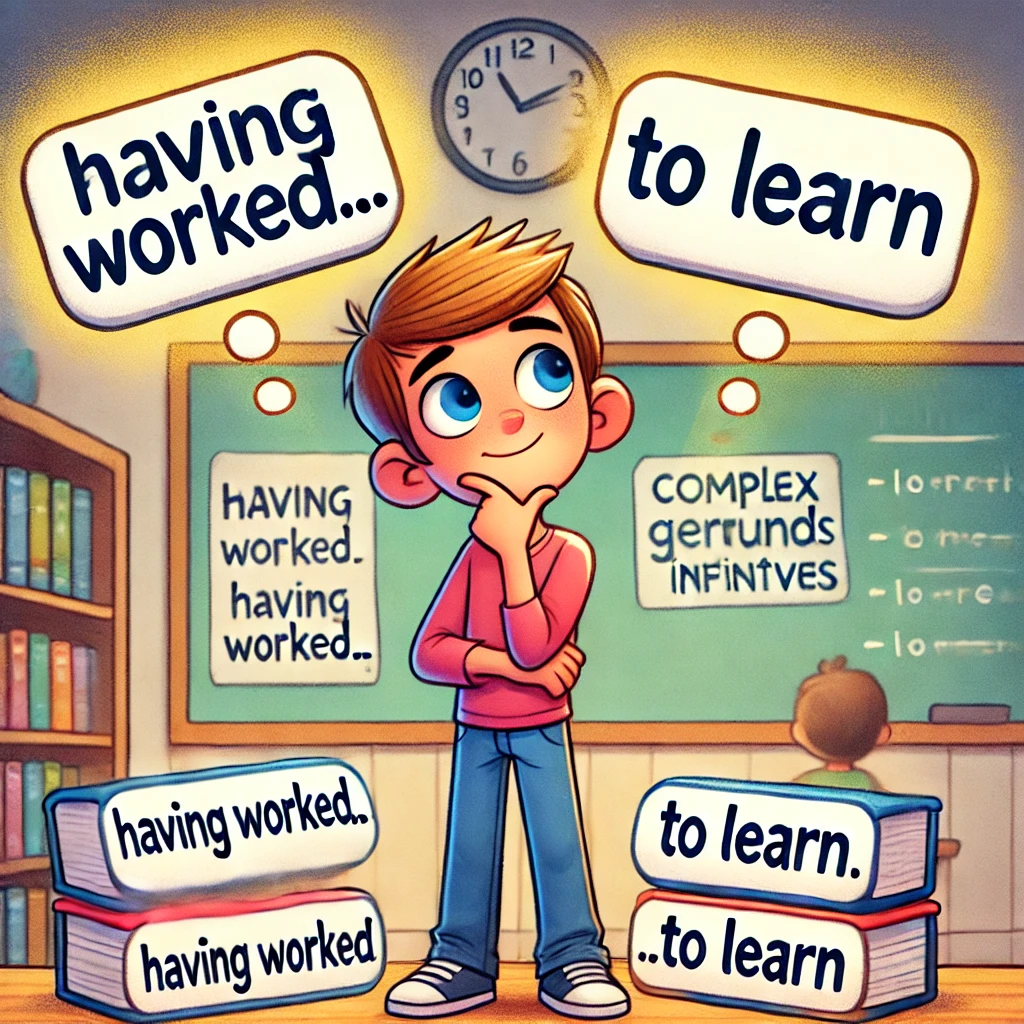
6. Learning from Experience
(Complex Gerunds & Infinitives)
Grammar: Complex gerunds and infinitives
Vocabulary: Education and goals
Speaking: Talk about learning experiences
Listening: “Despite having worked there…”
Reading: Short reflection about a lesson learned from past experience
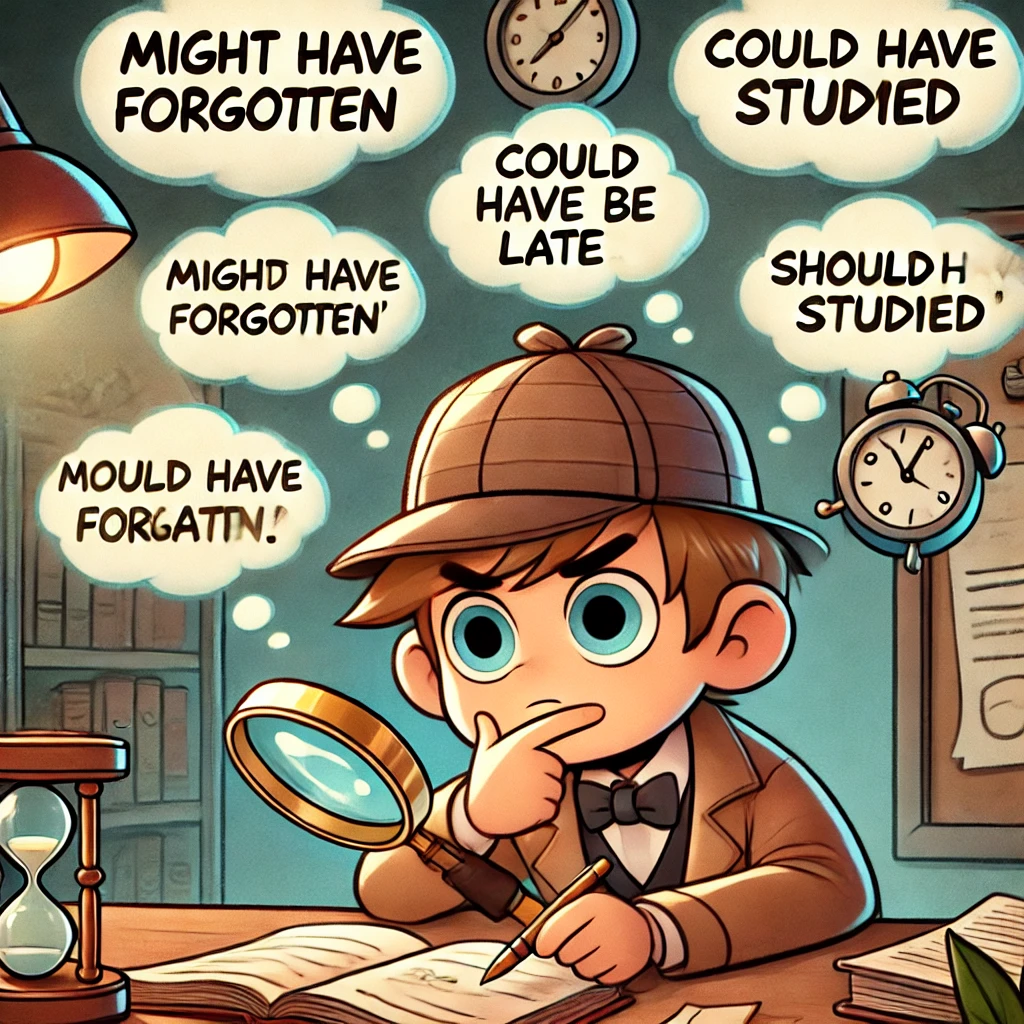
7. What Might Have Happened?
(Past Modals for Speculation)
Grammar: Modals in the past (speculation and deduction)
Vocabulary: Logical reasoning
Speaking: Reflect and speculate about past events
Listening: “He might have taken the wrong train.”
Reading: Brief scenario requiring interpretation of what probably occurred
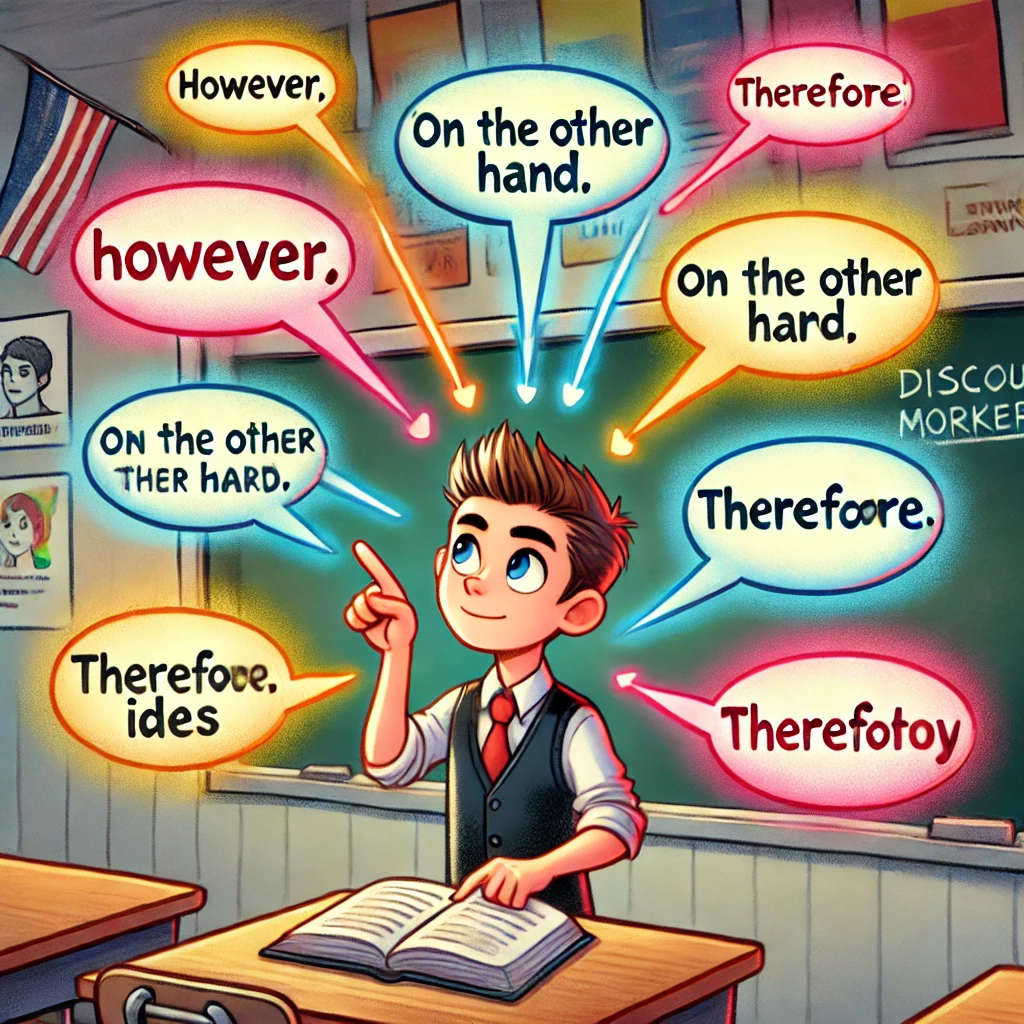
8. On the Other Hand…
(Discourse Markers for Argumentation)
Grammar: Discourse markers (In addition, Nevertheless, As a result…)
Vocabulary: Academic & formal linking
Speaking: Build argumentation and support your ideas
Listening: “On the contrary…”
Reading: Short argumentative paragraph with contrasting ideas
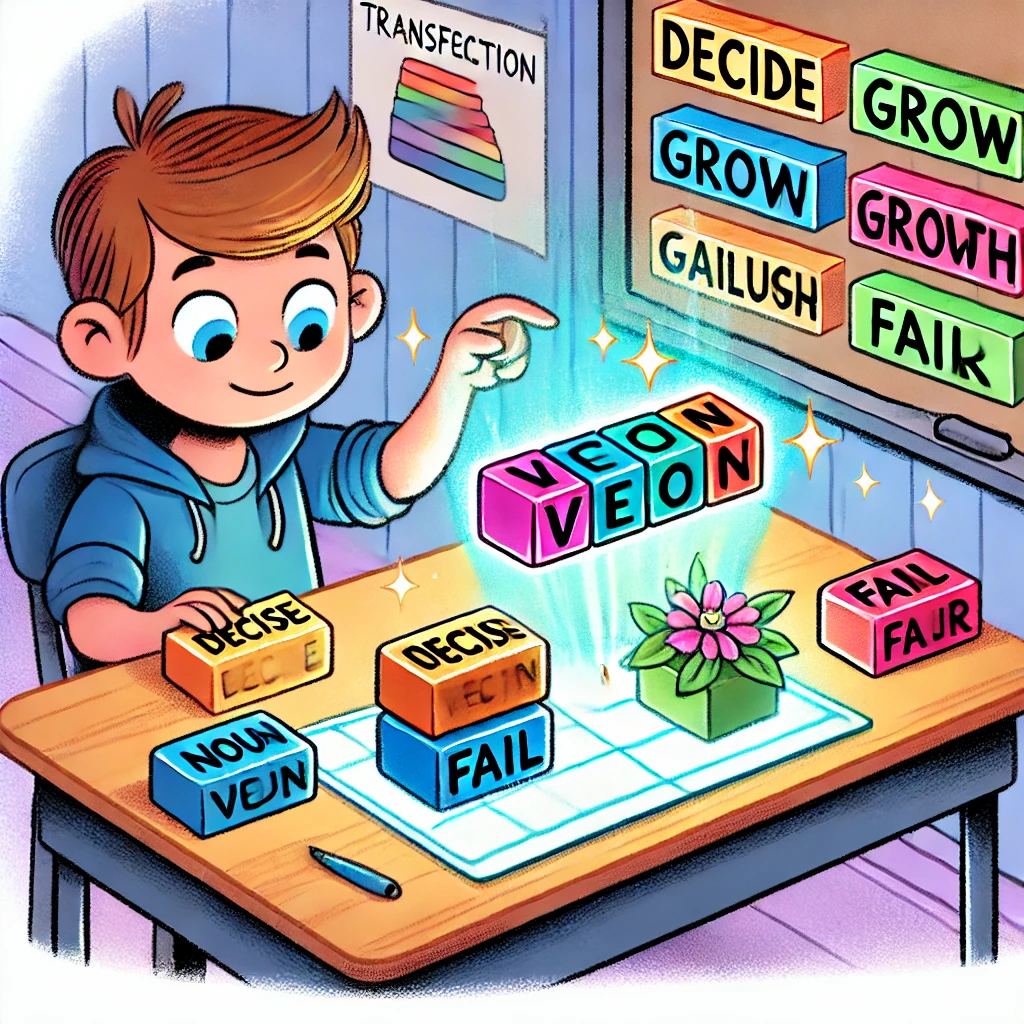
9. Turning Actions into Ideas
(Nominalization for Academic Clarity)
Grammar: Nominalization (verbs → nouns)
Vocabulary: Academic writing
Speaking: Practice converting phrases to formal structures
Listening: “The decision to invest…”
Reading: Short academic-style explanation highlighting nominalized forms
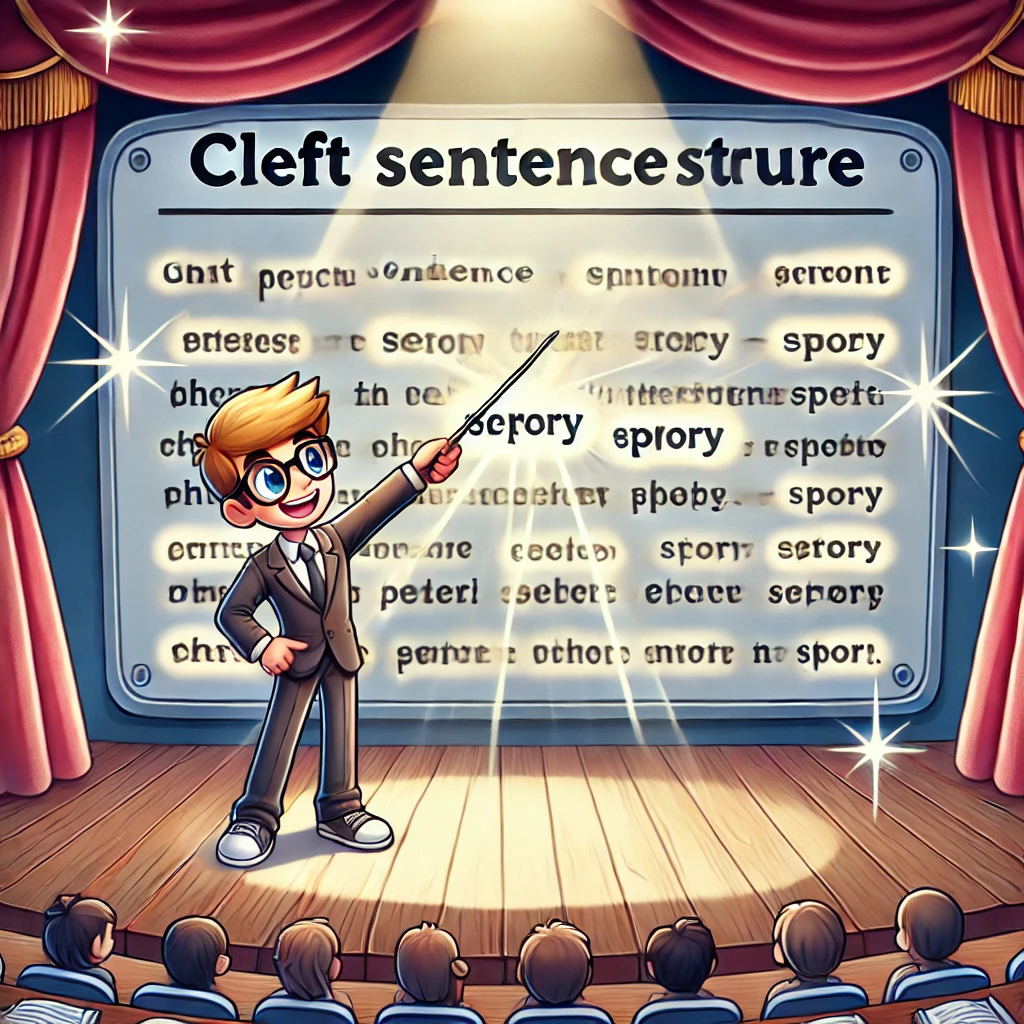
10. What Surprised Me Most
(Cleft Sentences for Emphasis)
Grammar: Cleft sentences – emphatic storytelling
Vocabulary: Experiences
Speaking: Highlight key parts of your story
Listening: “What surprised me most was…”
Reading: Short personal anecdote built around a key emotional moment
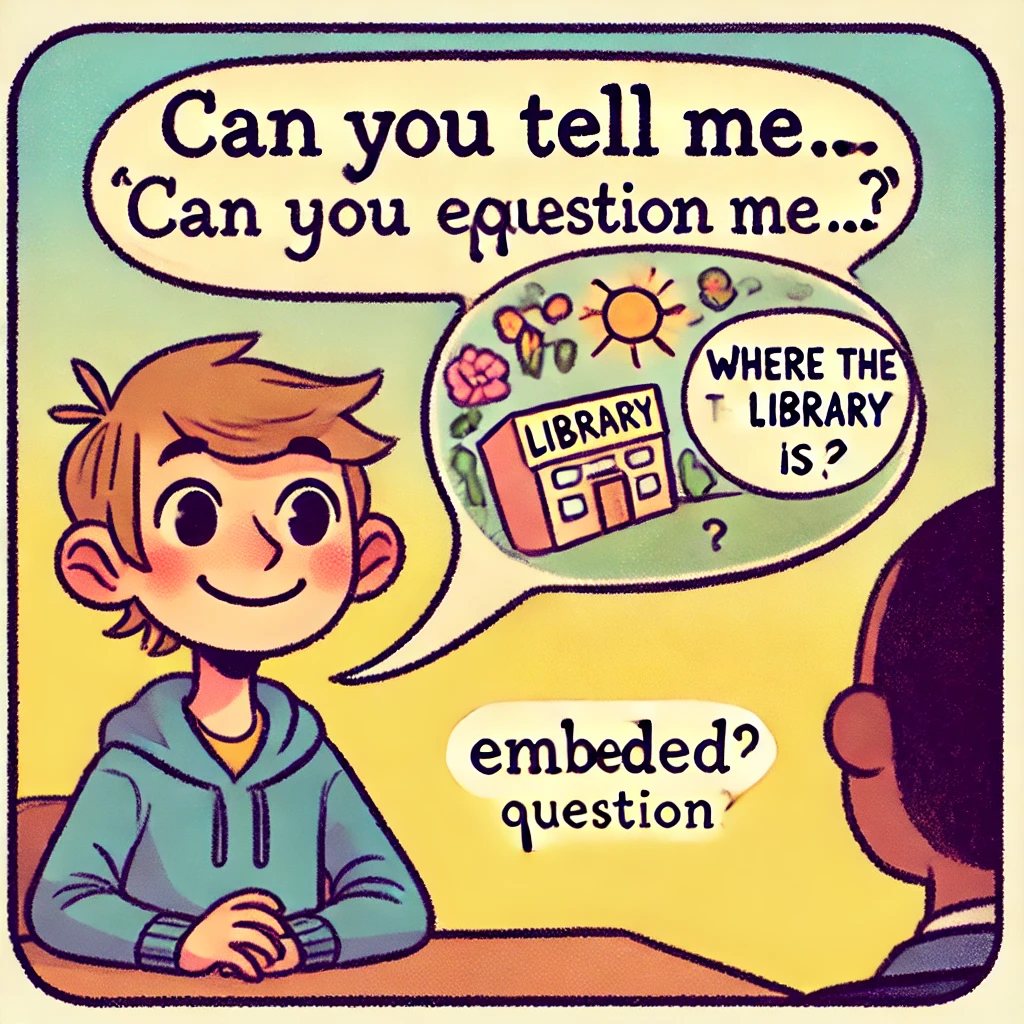
11. Asking the Right Way
(Embedded Questions for Polite Communication)
Grammar: Embedded questions
Vocabulary: Polite language
Speaking: Ask naturally and respectfully
Listening: “Could you tell me where you’re from?”
Reading: Short dialogue where a character asks for information politely
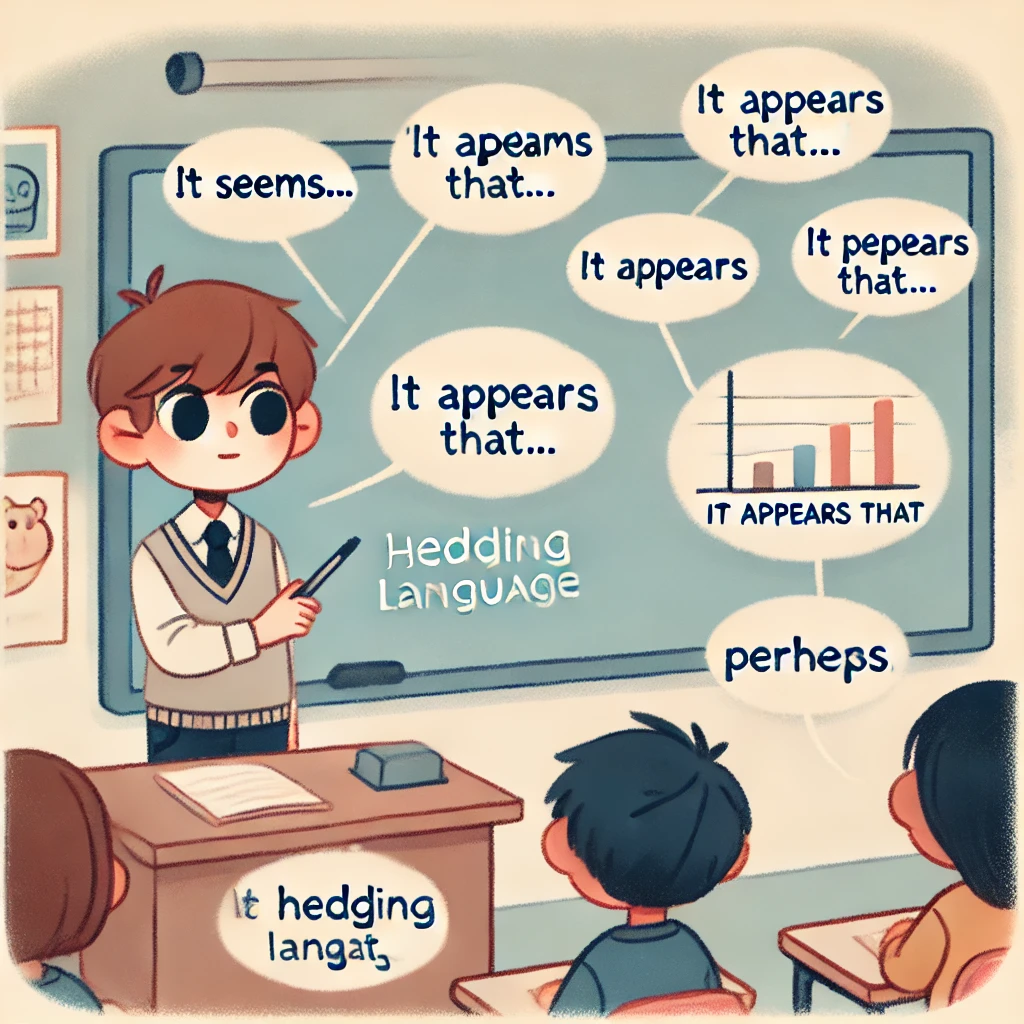
12. Speaking with Care
(Hedging Language for Diplomacy)
Grammar: Hedging (seems, appears, may)
Vocabulary: Presentations and cautious speech
Speaking: Speak with diplomacy and avoid sounding too strong
Listening: “It appears that results are improving.”
Reading: Brief report with softened claims and cautious statements
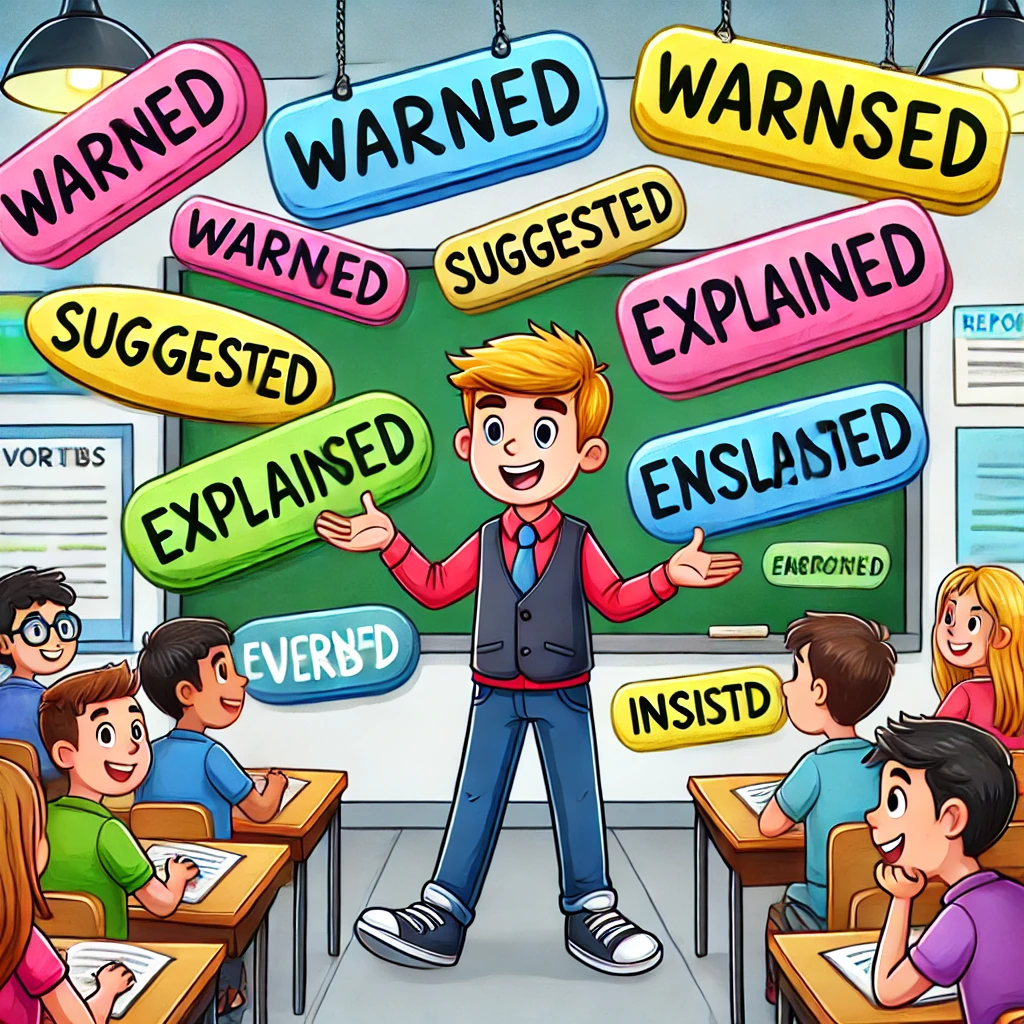
13. Saying What Someone Said
(Advanced Reporting Verbs)
Grammar: Reporting verbs (admit, claim, warn, suggest…)
Vocabulary: Dialogue reporting
Speaking: Report complex interactions
Listening: “She warned him not to touch it.”
Reading: Short narrative including reported speech and reporting verbs
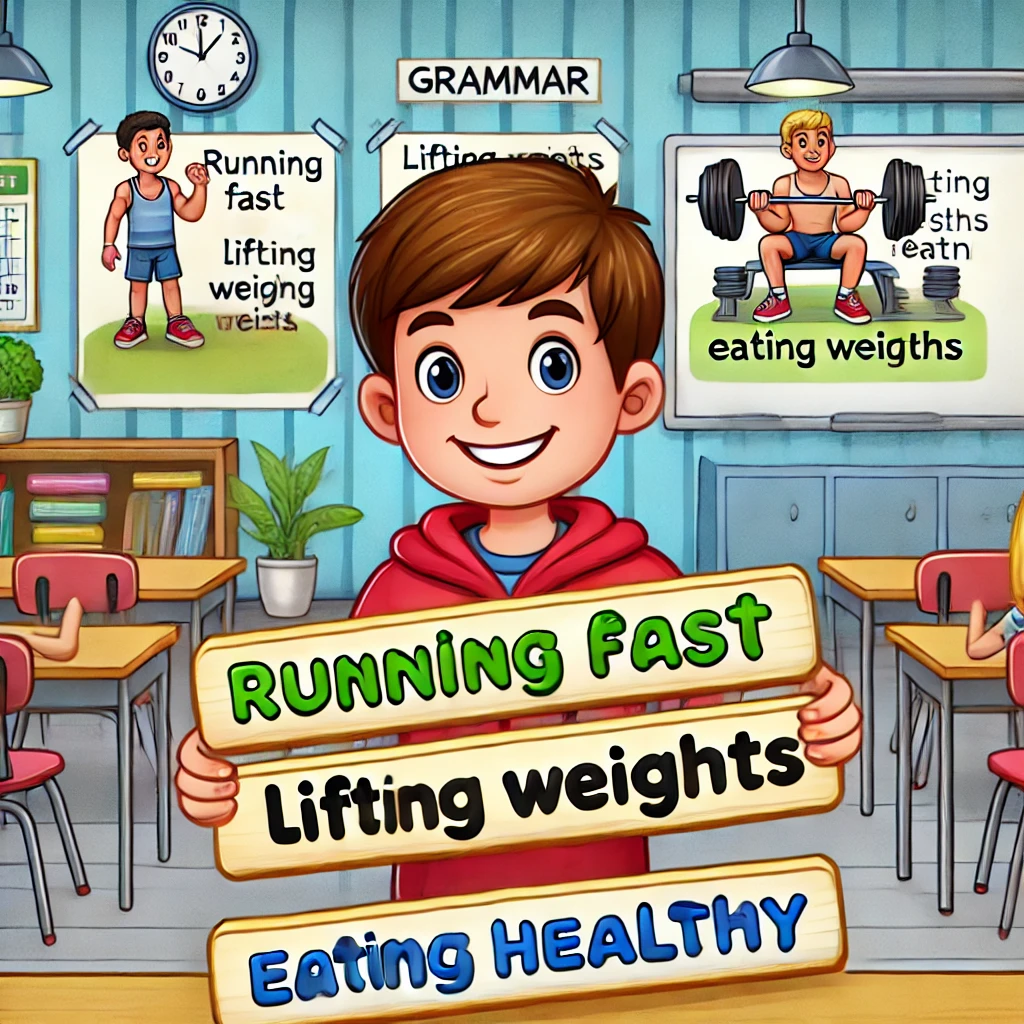
14. Clear, Balanced, Organized
(Parallel Structures for Flow)
Grammar: Parallel structures
Vocabulary: Organizing ideas
Speaking: Build rhythm and clarity
Listening: “She enjoys cooking, dancing, and traveling.”
Reading: A short paragraph demonstrating parallel ideas in a list or sequence
15. If Only Things Were Different
(Second Conditional with Creativity)
Grammar: Second Conditional — review + creativity
Vocabulary: Hypothetical situations
Speaking: Express dreams and give advice
Listening: “If I were rich, I’d build a school.”
Reading: A small “what if…?” scenario inviting imaginative responses
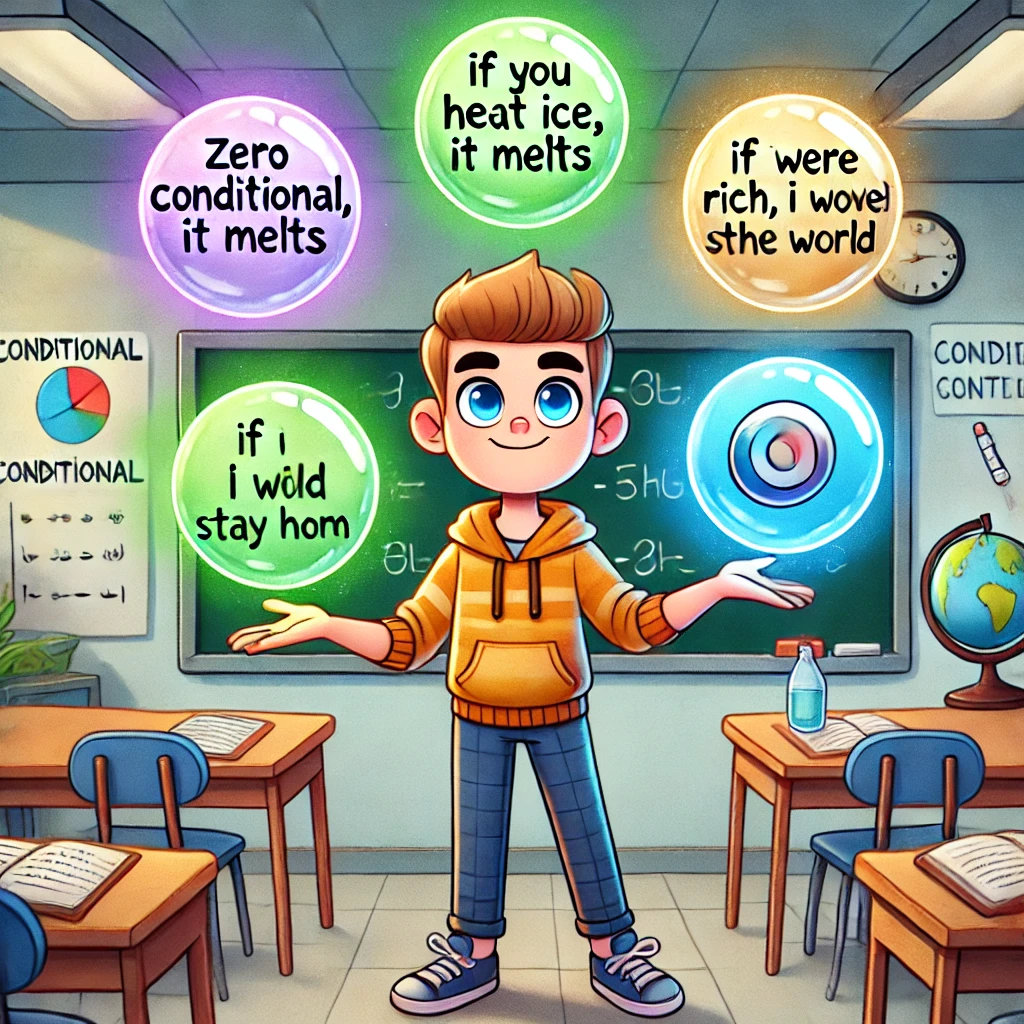
16. If Only I Had Known
(Third Conditional for Past Regrets)
Grammar: Third Conditional
Vocabulary: Mistakes and lessons
Speaking: Talk about past regrets
Listening: “If I had known, I would have stayed.”
Reading: A short story describing a past situation and what could have gone differently
17. The Ripple Effect of Choices
(Mixed Conditionals for Time & Consequences)
Grammar: Mixed Conditionals
Vocabulary: Time and consequences
Speaking: Combine past and present/future logic
Listening: “If I had studied more, I would be a doctor now.”
Reading: A scenario that blends past actions with present outcomes
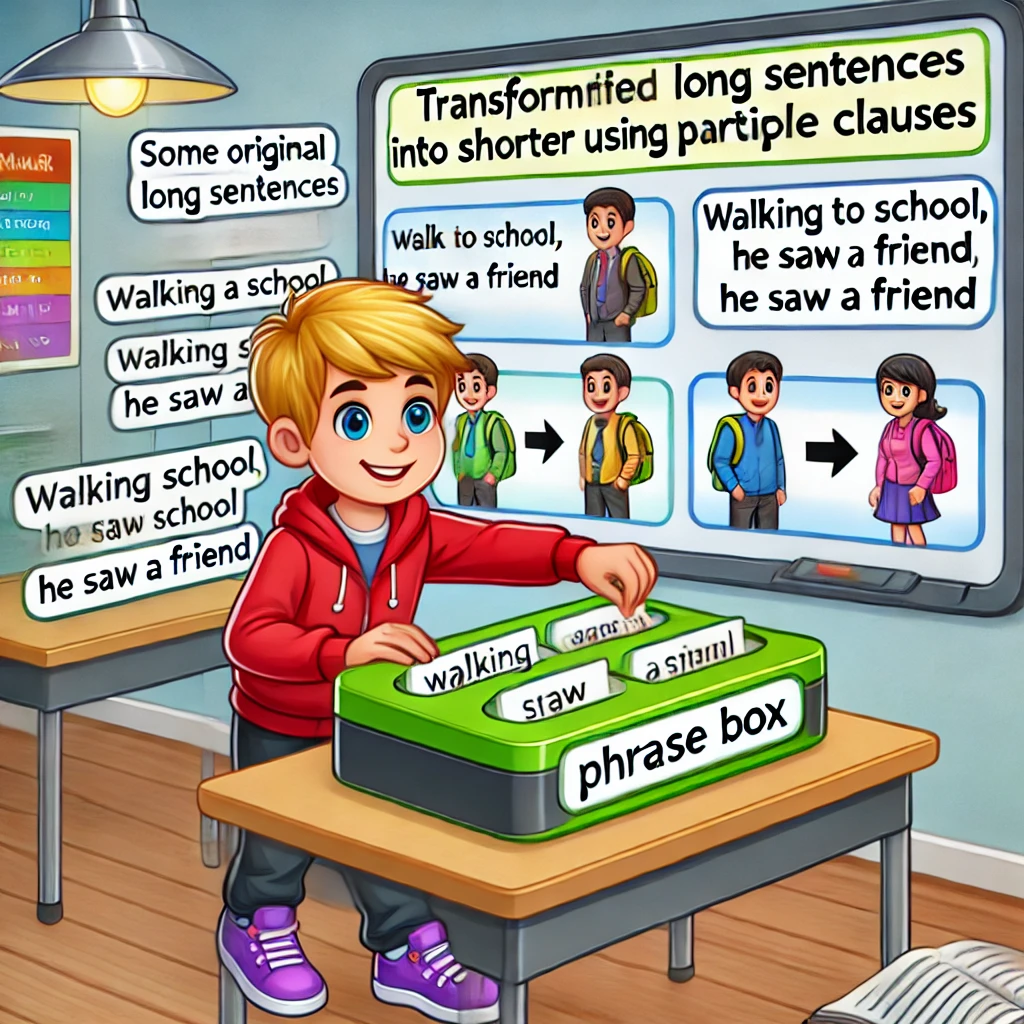
18. The People, Places & Things Around Us
(Relative Clauses for Clear Description)
Grammar: Relative clauses – defining & non-defining
Vocabulary: Descriptions
Speaking: Talk about people, places, and things
Listening: “My uncle, who is a pilot, lives in Spain.”
Reading: A descriptive paragraph rich in relative clauses

19. Even Though Things Get Complicated
(Linking Words for Contrast & Logic)
Grammar: Linking words (although, even though, however, in spite of)
Vocabulary: Contrast and logic
Speaking: Express disagreement or contrast
Listening: “Although it rained, the event was fun.”
Reading: A short contrast-focused explanation or opinion

20. It Was Such an Amazing Day
(So / Such / Too / Enough for Emphasis)
Grammar: So / Such / Too / Enough
Vocabulary: Evaluations
Speaking: Give opinions with emphasis
Listening: “It was such a great experience!”
Reading: Short paragraph reviewing an event with strong emphasis language
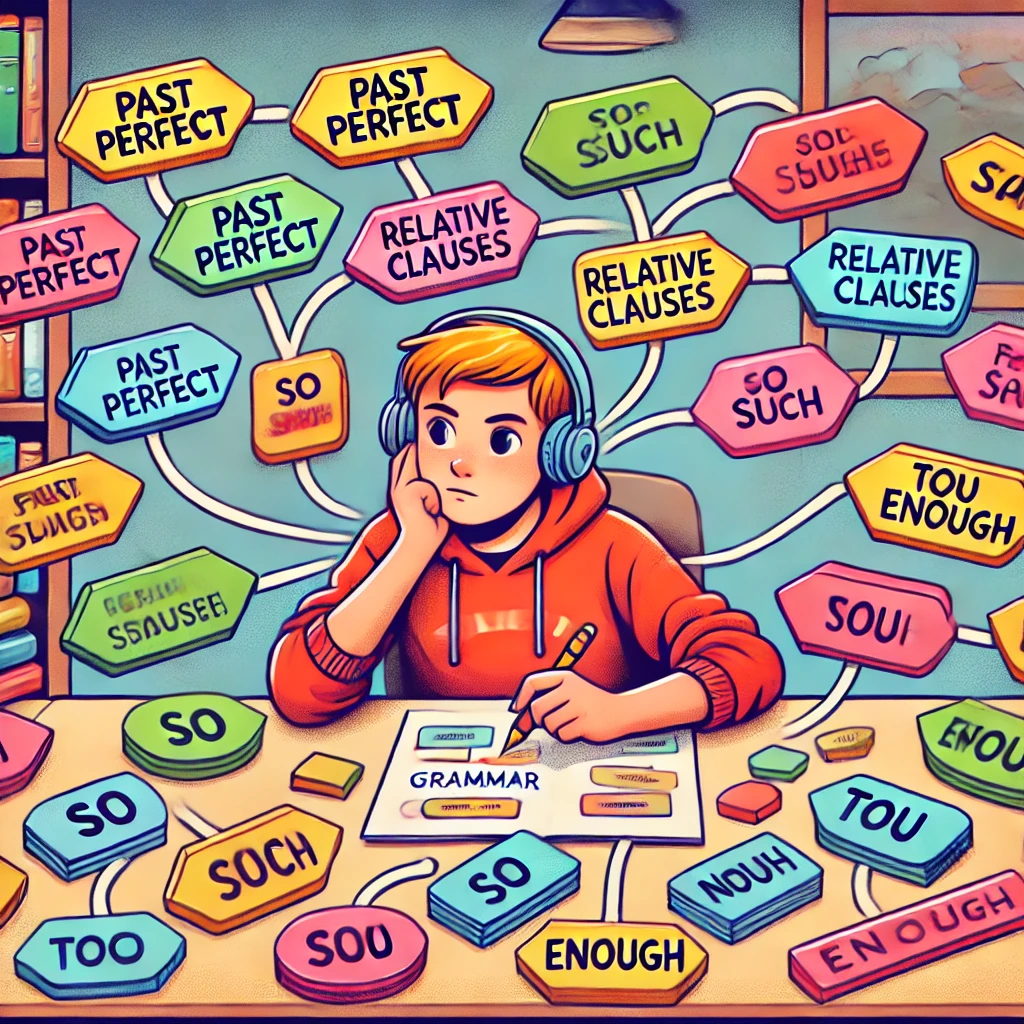
21. What If Things Had Gone Differently?
(Conditional Review + Complex Linking)
Grammar: Conditional review + complex linking
Vocabulary: Life decisions
Speaking: Describe “what if” scenarios
Listening: Mixed structure conversation
Reading: Short reflection exploring alternative life paths
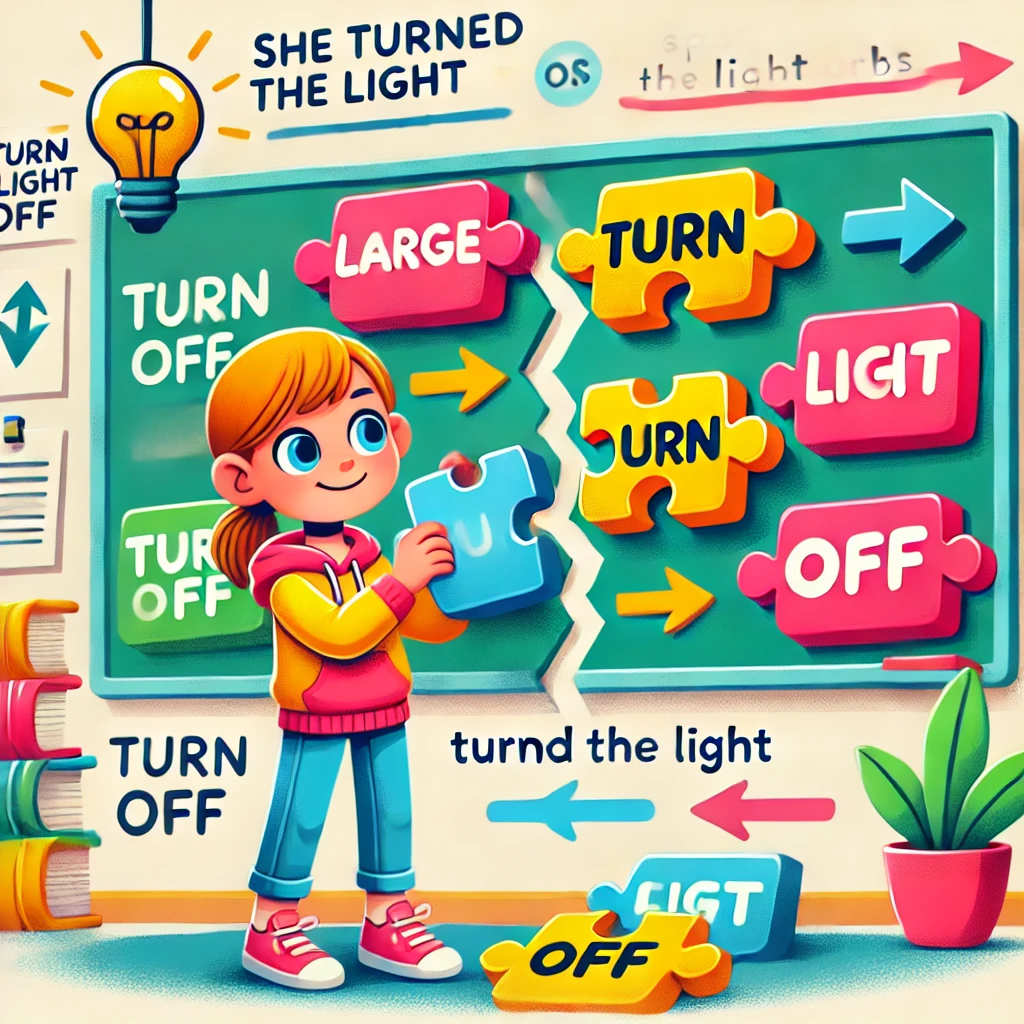
22. Turning Daily Life On & Off
(Separable Phrasal Verbs)
Grammar: Phrasal Verbs – Separable
Vocabulary: Daily activities
Speaking: Use common phrasal verbs naturally
Listening: “I turned off the light.”
Reading: Mini-dialogue packed with separable phrasal verbs
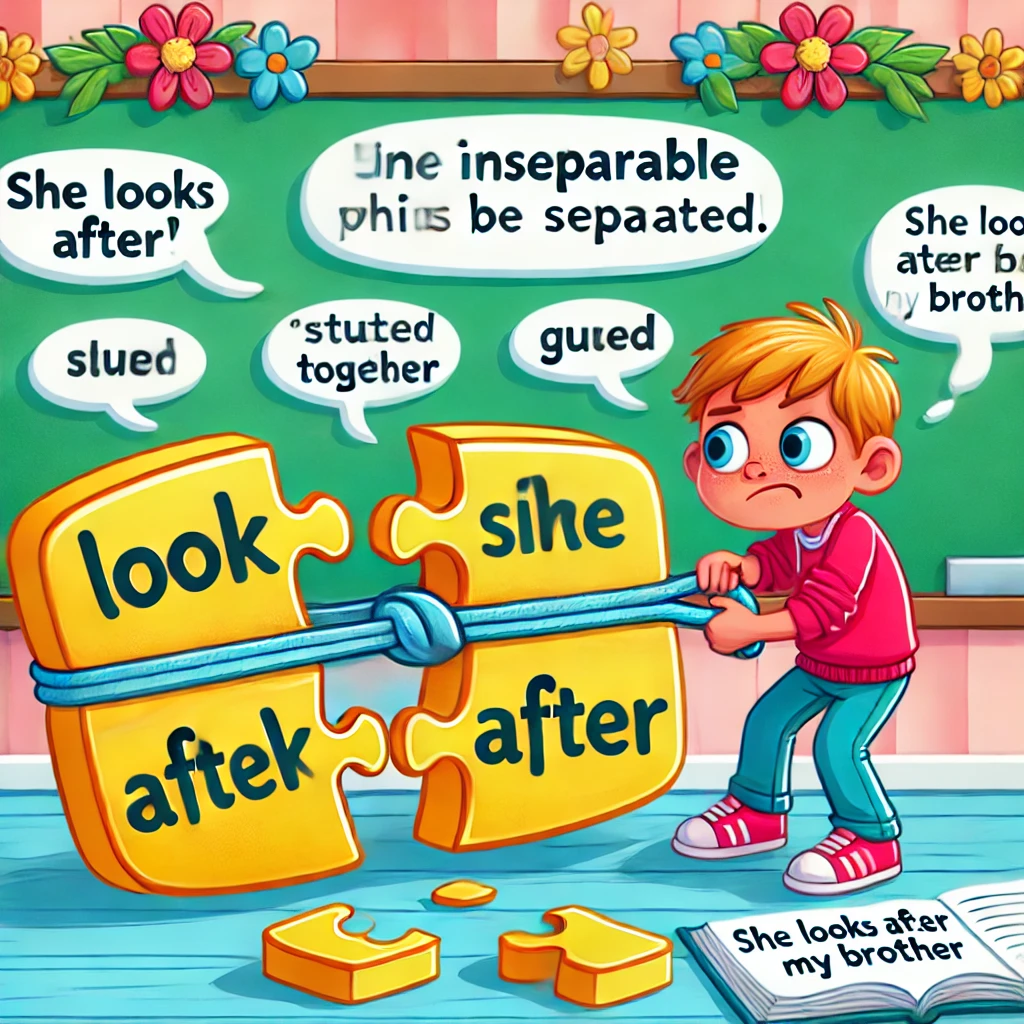
23. Running Into Old Feelings
(Inseparable Phrasal Verbs)
Grammar: Phrasal Verbs – Inseparable
Vocabulary: Emotions and social life
Speaking: Talk about how you feel
Listening: “I ran into an old friend.”
Reading: Short anecdote using inseparable phrasal verbs

24. The Right Tone for the Right Moment
(Formal vs Informal Language)
Grammar: Formal vs Informal language
Vocabulary: Work vs daily life
Speaking: Adjust tone depending on the situation
Listening: “Could you possibly send me that file?”
Reading: Dialogue showing tone shifts between formal and casual
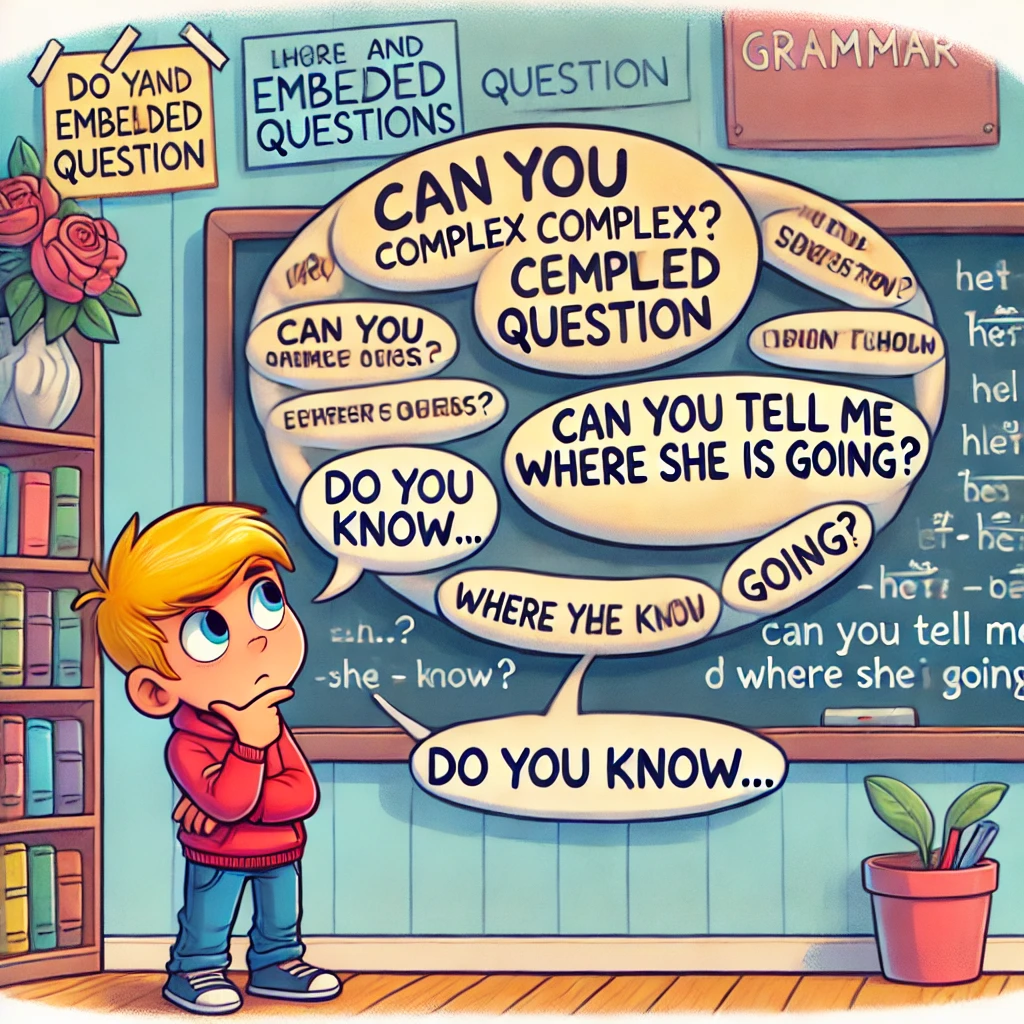
25. Questions That Dig Deeper
(Complex & Embedded Questions)
Grammar: Complex and embedded questions
Vocabulary: Interview language
Speaking: Practice interview-style questions
Listening: “Can you tell me where the bank is?”
Reading: Interview-style Q&A with embedded questions
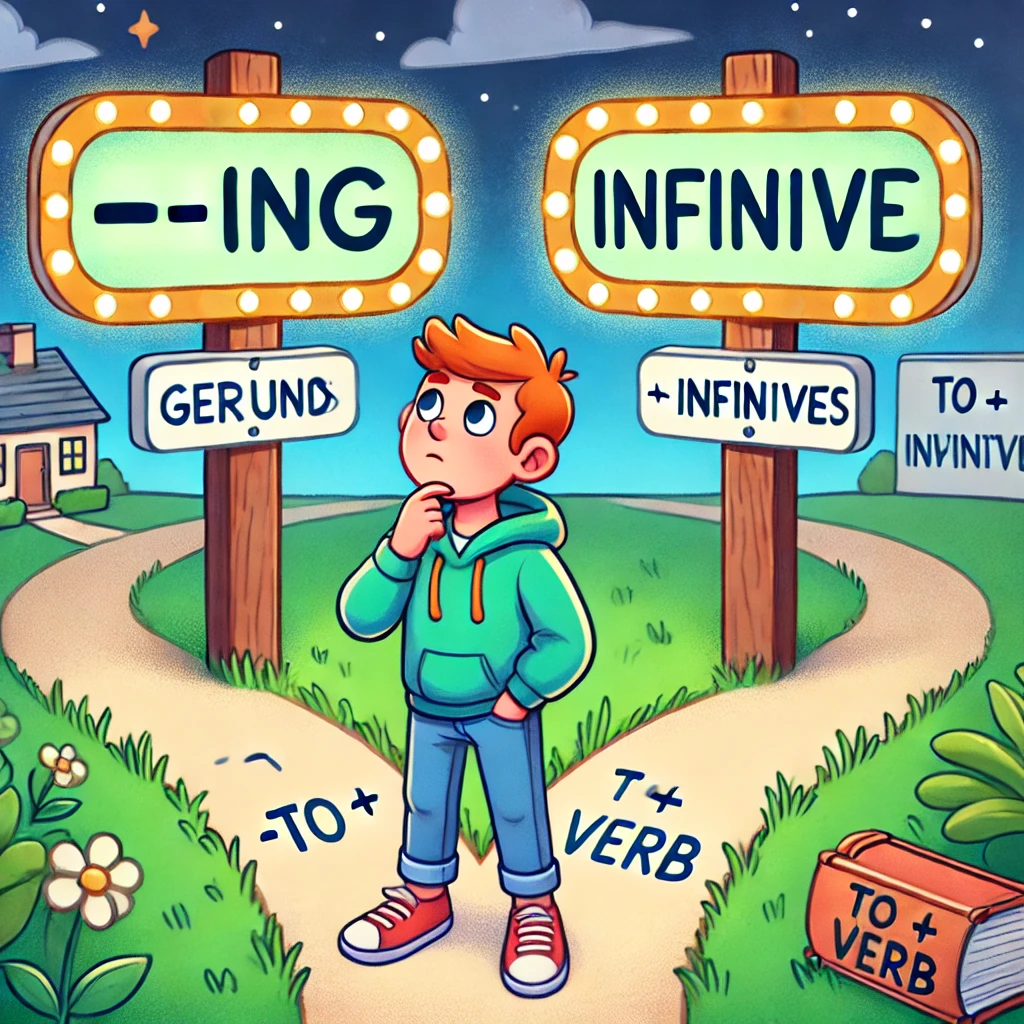
26. Choosing What Matters Most
(Advanced Gerunds & Infinitives)
Grammar: Gerund vs Infinitive – advanced
Vocabulary: Expression and feelings
Speaking: Talk about preferences and goals
Listening: “I decided to start exercising.”
Reading: Short paragraph about choosing personal goals
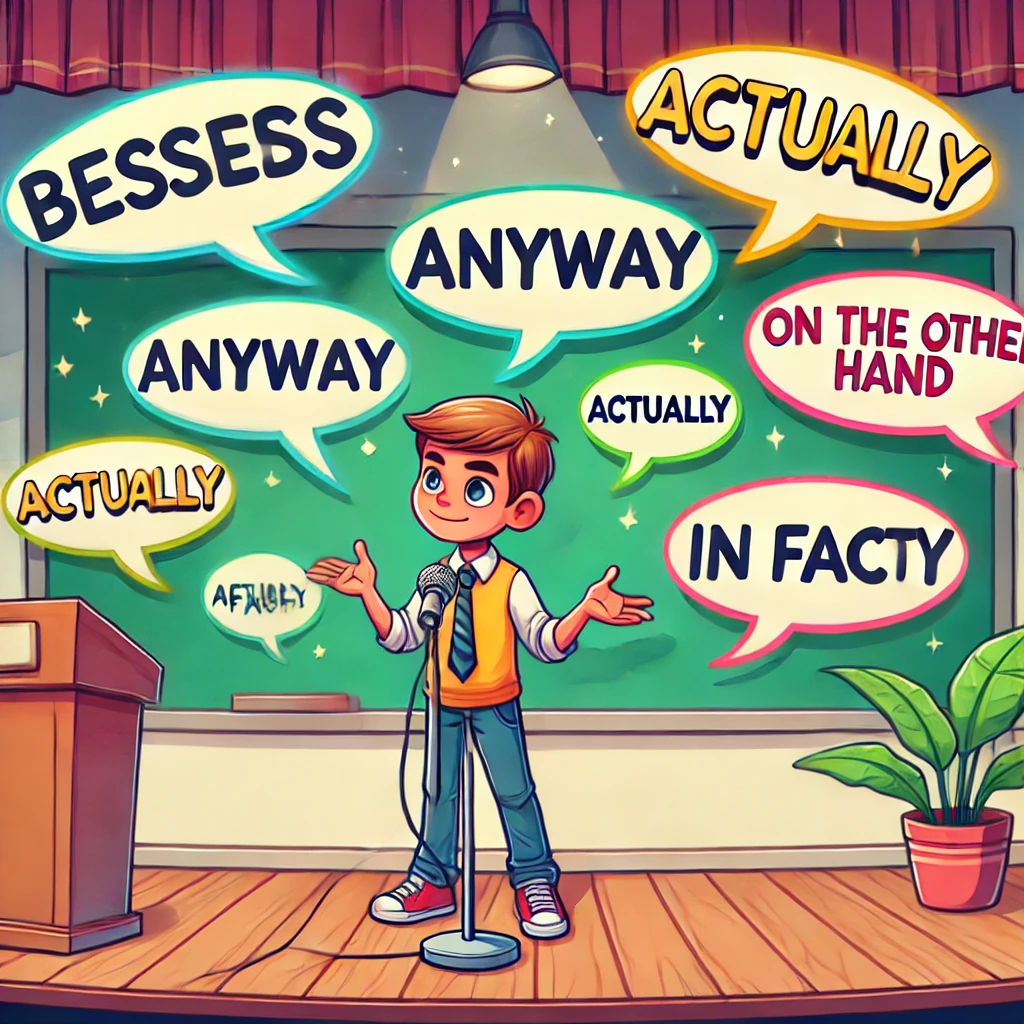
27. In Fact, Let Me Explain…
(Discourse Markers for Clear Presentations)
Grammar: Discourse markers (in fact, besides, anyway)
Vocabulary: Presentations
Speaking: Structure a short talk
Listening: “In fact, I believe that…”
Reading: Mini-presentation demonstrating logical transitions
28. Helping Each Other Grow
(Reflexive & Reciprocal Structures)
Grammar: Reflexive & reciprocal structures
Vocabulary: Group actions
Speaking: Talk about doing things alone or together
Listening: “They helped each other.”
Reading: Short story of teamwork using reciprocal forms
29. Say It All, Smoothly & Confidently
(Review of Complex Structures)
Grammar: Review of all complex structures
Vocabulary: Real-world themes
Speaking: Free talk – no limits
Listening: Fluent natural conversation
Reading: Mixed-theme paragraph integrating multiple grammar points

30. Say It All, Smoothly & Confidently
(Review of Complex Structures)
Grammar: Review of all complex structures
Vocabulary: Real-world themes
Speaking: Free talk – no limits
Listening: Fluent natural conversation
Reading: Mixed-theme paragraph integrating multiple grammar points