


Self-Guided Courses
Hello and welcome to Level 4 Communicator!
In this level, you take a big step forward, you will learn how to express your ideas clearly, talk about daily life in detail, and share your opinions.
You will practice longer conversations, improve your listening with natural English, and expand your vocabulary for work, travel, and social life.
This level will help you connect with others more confidently and speak English in real situations.
If you are not sure this is your level, take the test!
Click below to take the Level 4 test.
You need 16 correct answers to pass.
If you pass, you will move to Level 5 – English Connector.
Good luck!
INTERMEDIO


What you learn!
30 lesson topics

1. Past vs Present: What Really Happened?
(Present Perfect vs Past Simple — experiences vs finished events)
Grammar: Present Perfect vs Past Simple
Vocabulary: Life experiences
Speaking: Contrast what you’ve done vs when you did it
Listening: “I’ve been to Canada” vs “I went in 2019.”
Reading: Short text about a traveler comparing past trips and lifelong experiences

2. What Have You Been Doing Lately?
(Present Perfect Continuous — ongoing actions)
Grammar: Present Perfect Continuous
Vocabulary: Work & study tasks
Speaking: Describe recent ongoing actions
Listening: “I’ve been working on this all day.”
Reading: Short article about someone’s busy week

3. Before the Storm: Events in Order
(Past Perfect — sequencing events)
Grammar: Past Perfect
Vocabulary: Events, timelines, sequence words
Speaking: Explain what happened first
Listening: “I had just arrived when it started to rain.”
Reading: Mini-story showing two events in time order
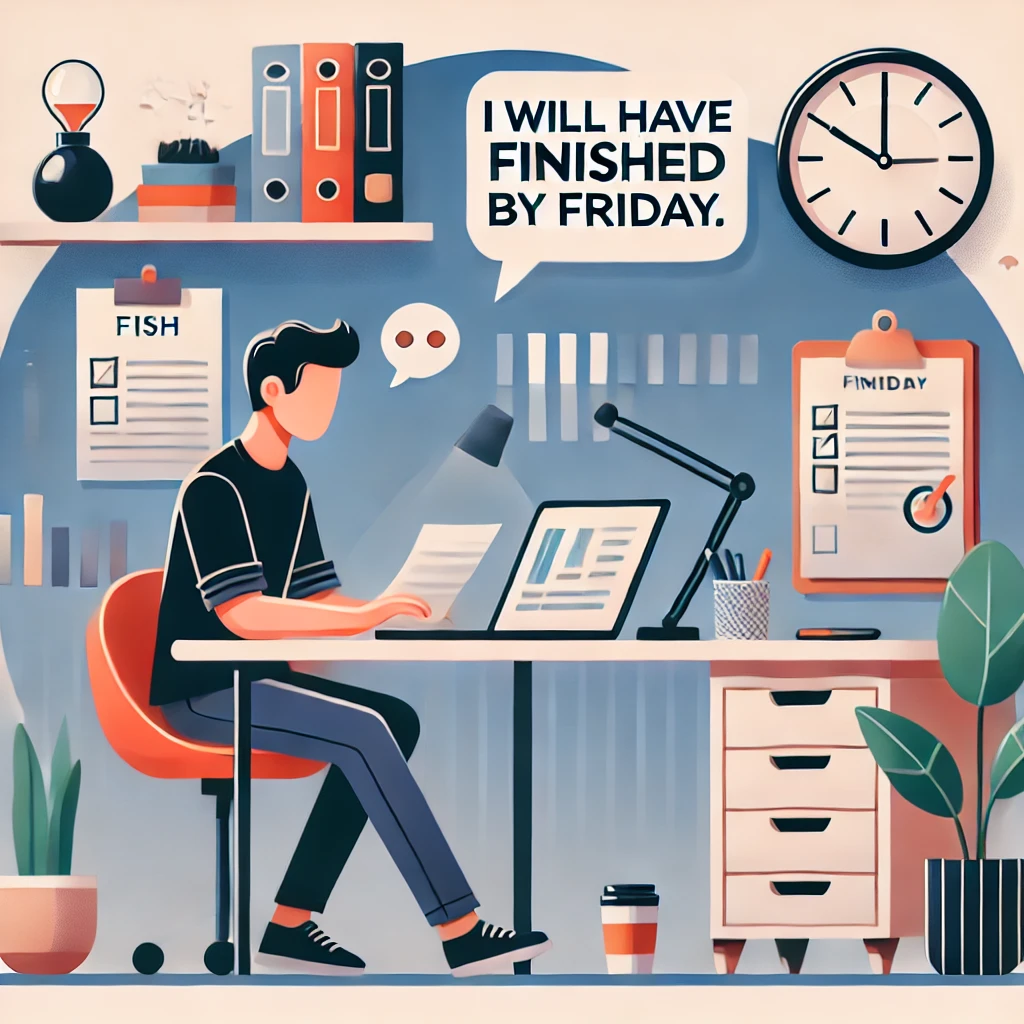
4. Will You Be Done By Friday?
(Future Perfect — deadlines & goals)
Grammar: Future Perfect
Vocabulary: Projects, progress, deadlines
Speaking: Say what will be finished by a time
Listening: “I will have finished by Friday.”
Reading: Short paragraph about project completion

5. This Time Tomorrow…
(Future Continuous — actions in progress in the future)
Grammar: Future Continuous
Vocabulary: Routines, schedules
Speaking: Predict what you’ll be doing at a specific moment
Listening: “At 8 PM, I’ll be studying.”
Reading: Schedule description including future plans
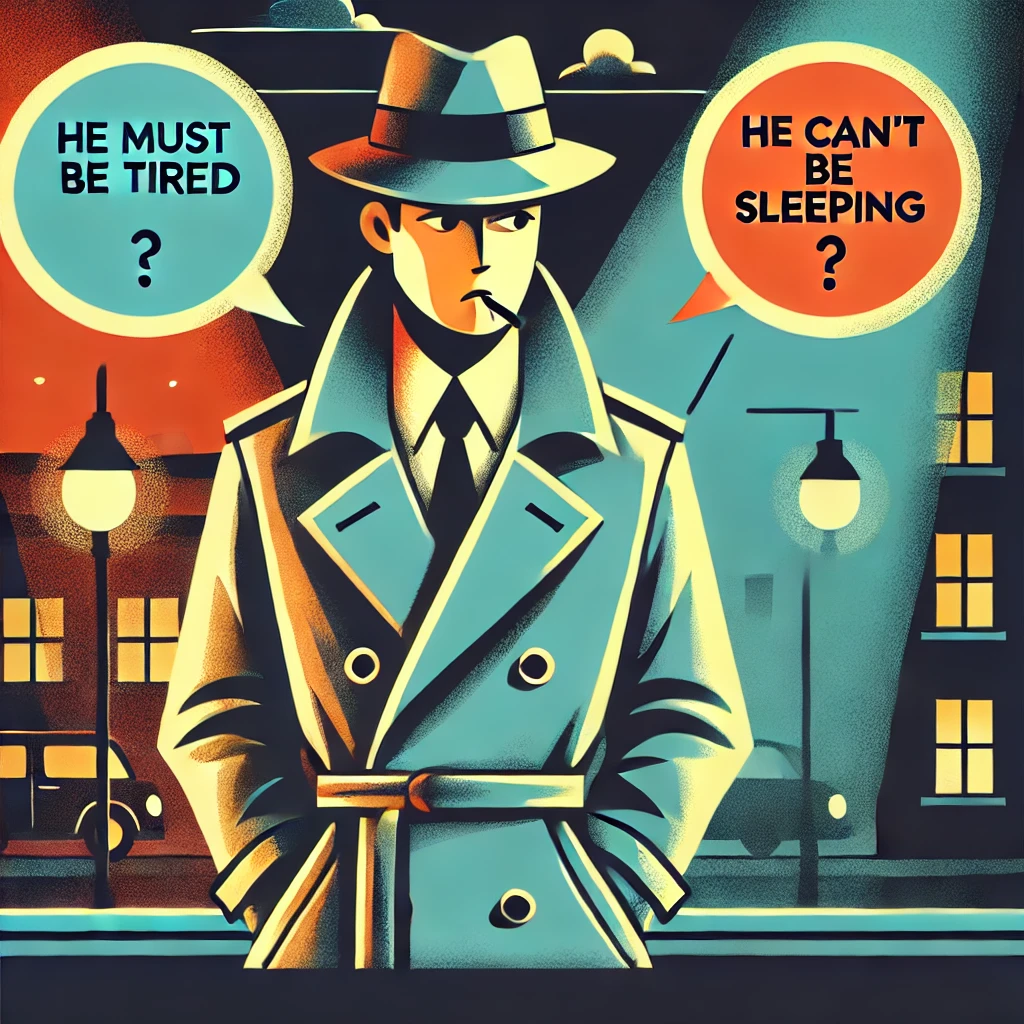
6. It Must Be True… Right?
(Modal verbs for deduction — must, might, can’t)
Grammar: Modal verbs (deduction)
Vocabulary: Problem-solving, clues
Speaking: Make educated guesses
Listening: “He must be tired.”
Reading: Short mystery scenario with clues

7. What Might Have Happened?
(Modals for past speculation — should have, could have, might have)
Grammar: Modals (past speculation)
Vocabulary: Regrets, reflection
Speaking: Reflect on what could have happened
Listening: “I should have called earlier.”
Reading: Story involving a missed opportunity
WEEK 1 REVIEW:
Timeline presentation using all perfect forms

8. Made or Done? What Was Completed?
(Passive Voice — present & past)
Grammar: Passive Voice (Present/Past)
Vocabulary: News, processes
Speaking: Describe what was done by whom
Listening: “The car was repaired yesterday.”
Reading: Short news headline summary

9. What Will Be Done By Then?
(Passive Voice — future & modal passives)
Grammar: Passive Voice (Future & Modals)
Vocabulary: Procedures, rules
Speaking: Use passive for rules/predictions
Listening: “The report must be submitted by Friday.”
Reading: Instructions for a simple process
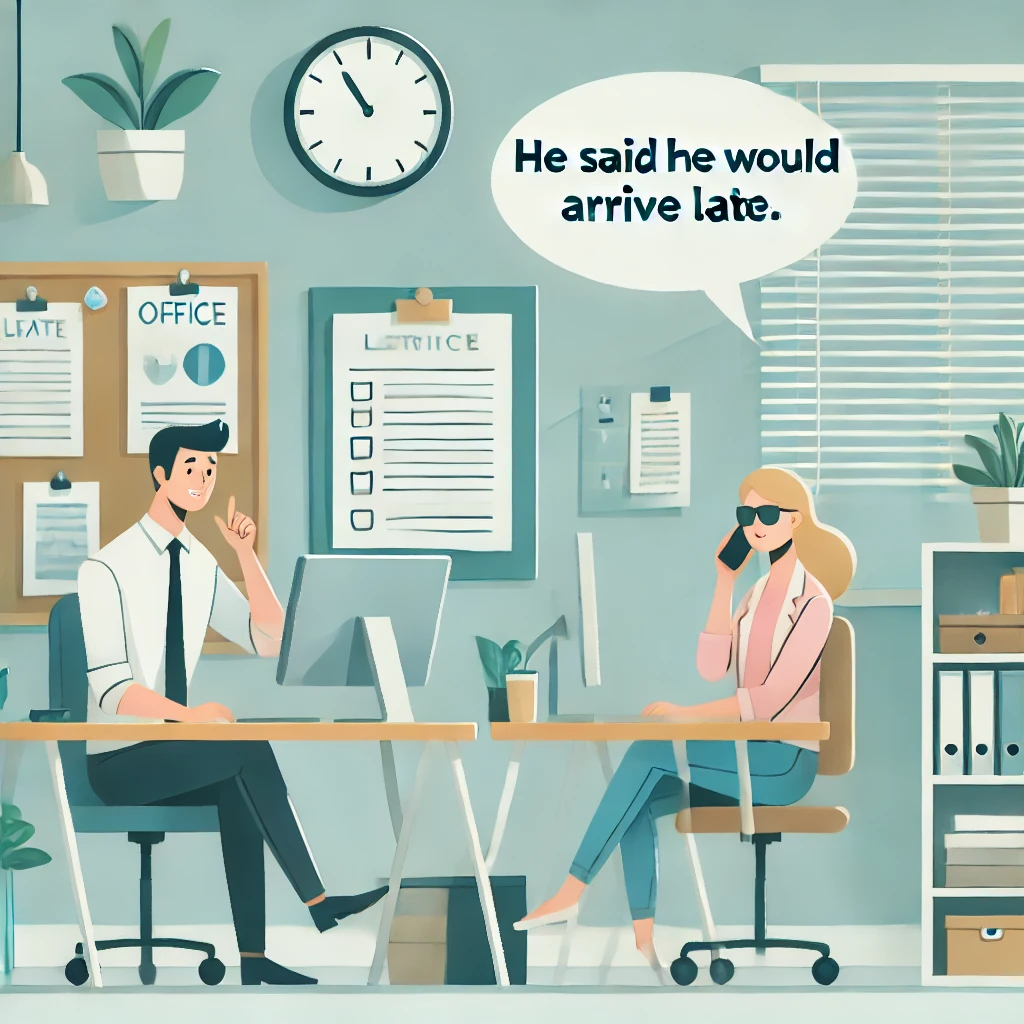
10. He Said / She Said
(Reported speech — statements)
Grammar: Reported speech (statements)
Vocabulary: Office/social communication
Speaking: Report what someone said
Listening: “He said he would arrive late.”
Reading: Dialogue recap in reported form
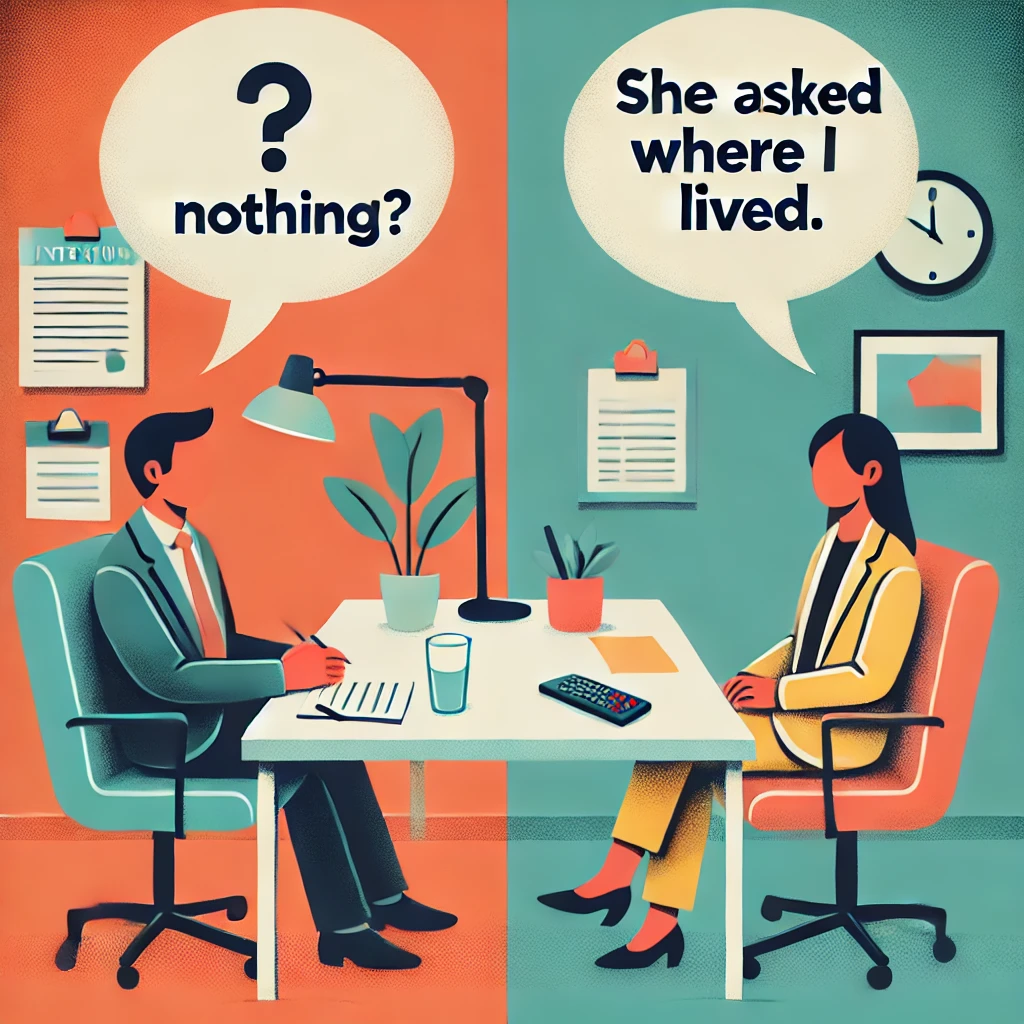
11. What Did They Ask You?
(Reported speech — questions)
Grammar: Reported questions
Vocabulary: Interviews
Speaking: Report what someone asked
Listening: “She asked where I lived.”
Reading: Interview summary reported indirectly
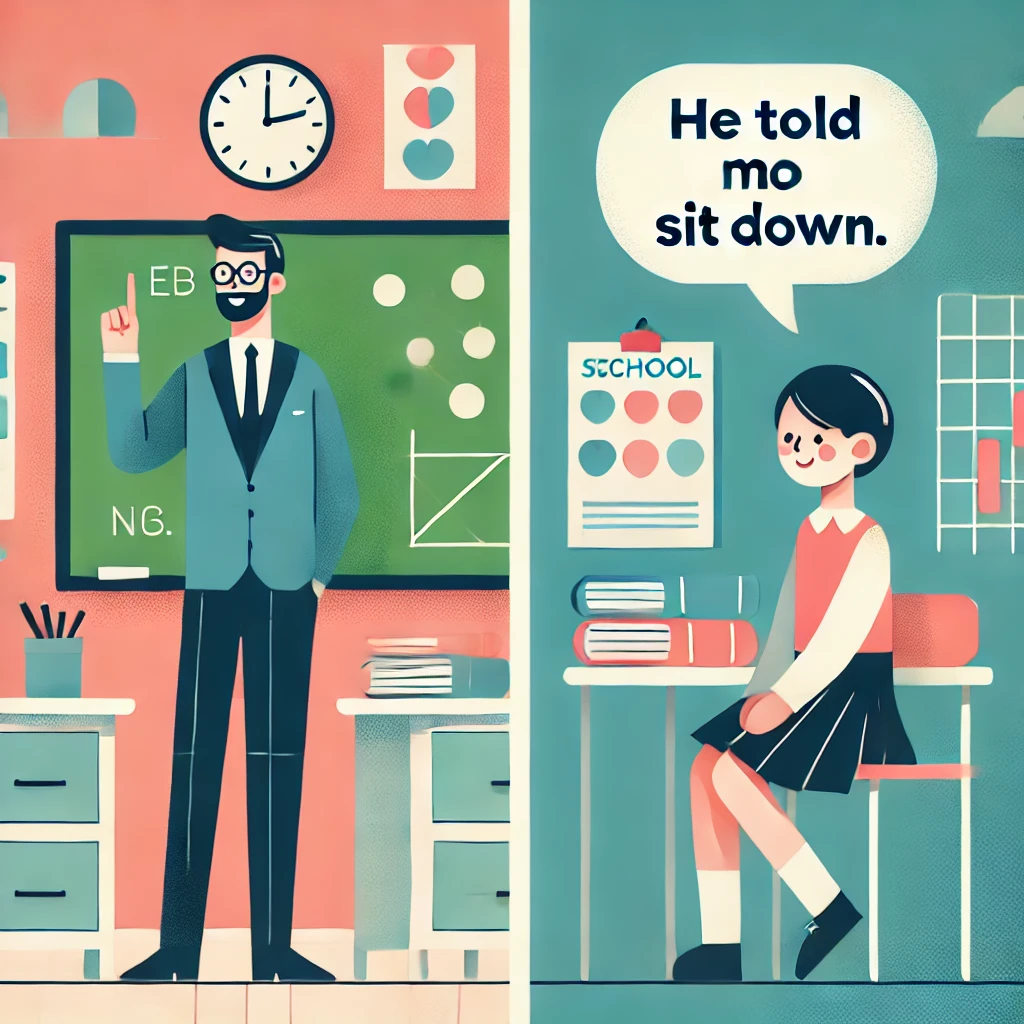
12. Tell Me What He Told You
(Reported commands/requests)
Grammar: Reported commands/requests
Vocabulary: Rules, instructions
Speaking: Report advice and orders
Listening: “He told me to sit down.”
Reading: Instruction list converted into reported speech

13. What I Loved Most Was…
(Cleft sentences — emphasis)
Grammar: Cleft sentences
Vocabulary: Emotions, memories
Speaking: Emphasize what matters
Listening: “What I loved most was the food.”
Reading: Blog excerpt highlighting preferences
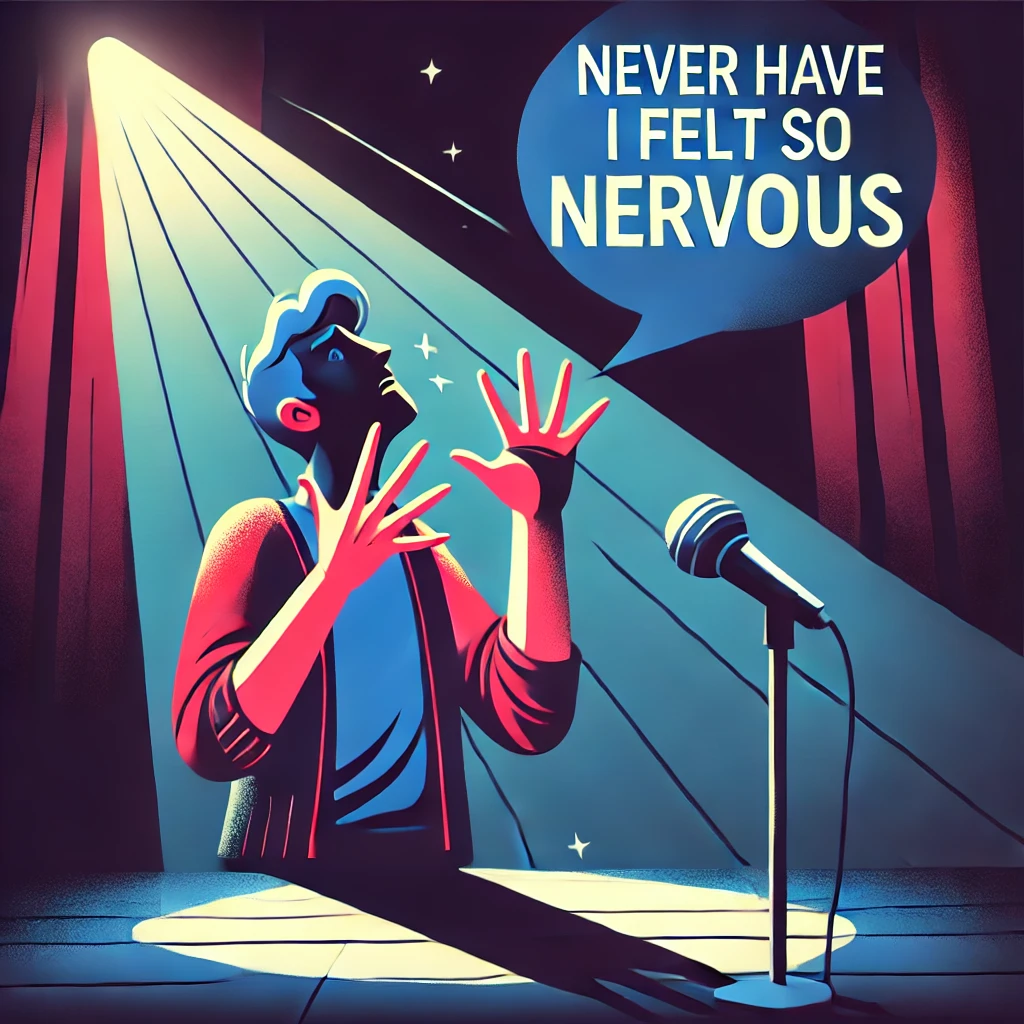
14. Never Have I Ever…
(Inversion — expressive storytelling)
Grammar: Inversion structures
Vocabulary: Storytelling expressions
Speaking: Add drama and emphasis to stories
Listening: “Rarely had I felt so nervous.”
Reading: Dramatic story paragraph
WEEK 2 REVIEW:
Tell a story using clefts, inversion & reported speech
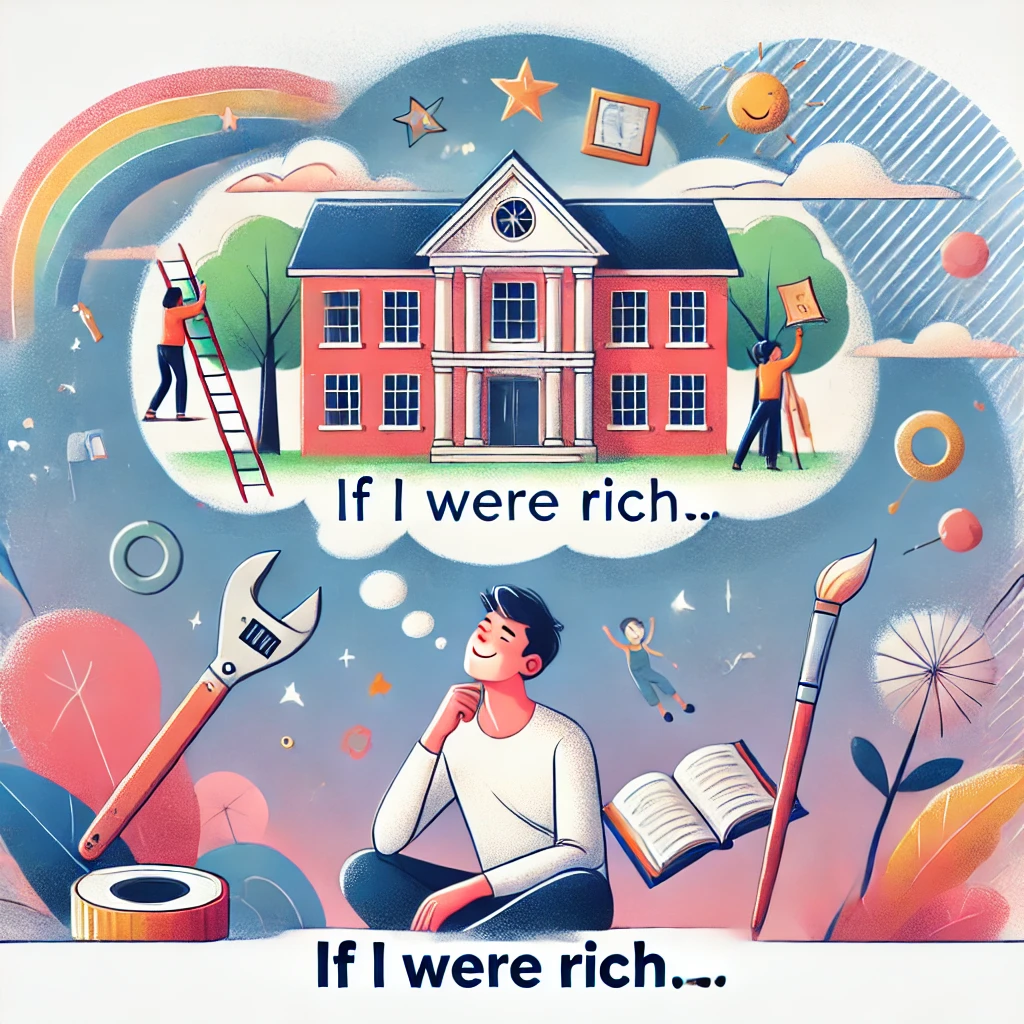
15. If I Were You…
(Second Conditional — creativity & advice)
Grammar: Second conditional
Vocabulary: Hypothetical situations
Speaking: Give imaginative advice
Listening: “If I were rich, I’d travel the world.”
Reading: Advice-column style text
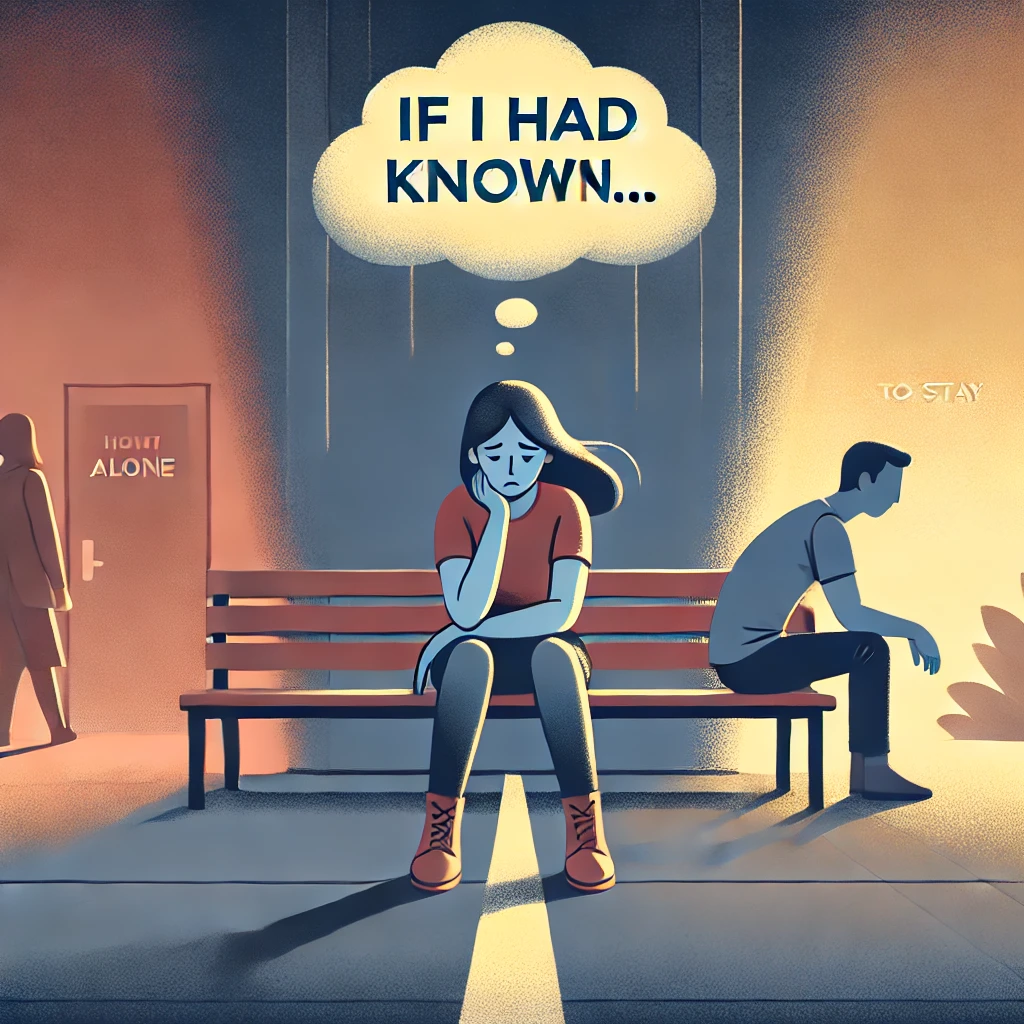
16. If I Had Known…
(Third Conditional — past regrets)
Grammar: Third conditional
Vocabulary: Regrets, reflection
Speaking: Describe unreal past situations
Listening: “If I had studied, I would have passed.”
Reading: Story with a regretful ending
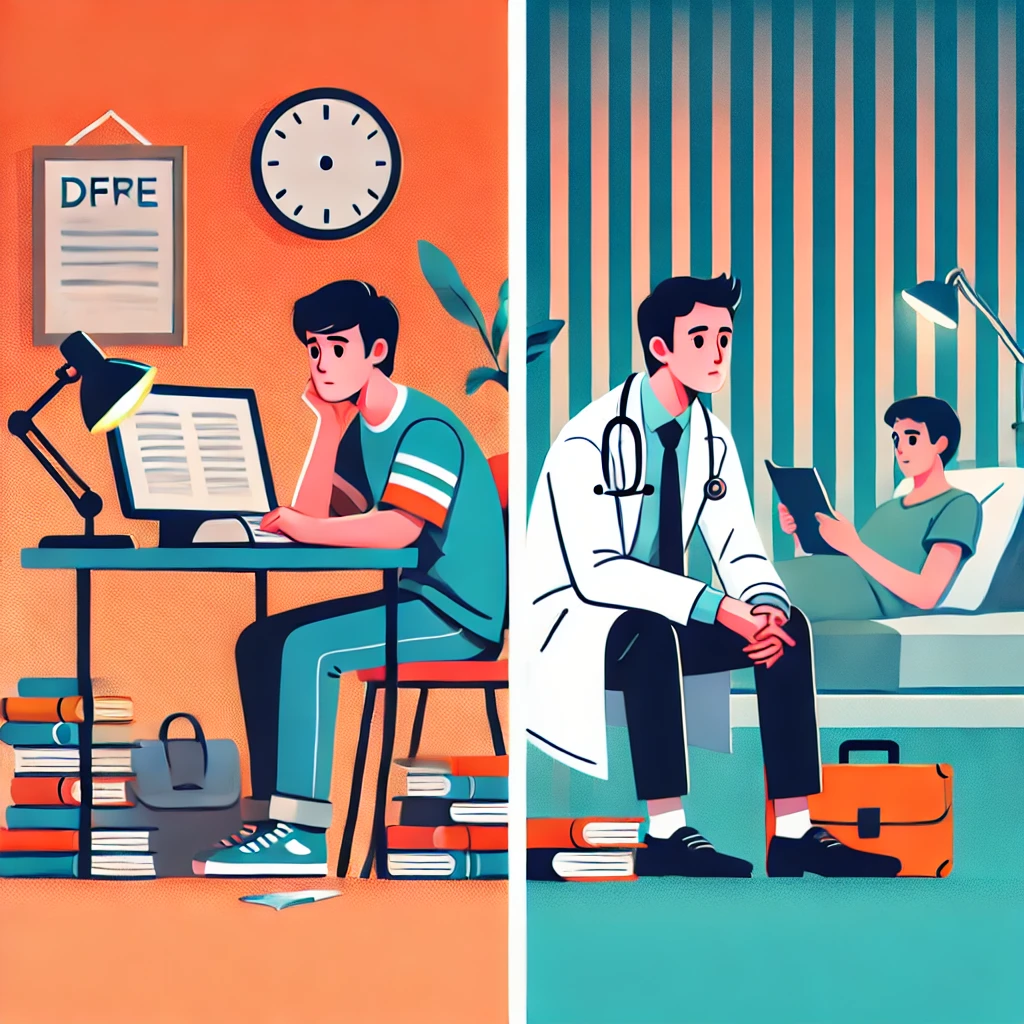
17. Real vs Unreal Conditions
(Conditionals — mixed)
Grammar: Mixed conditionals
Vocabulary: Consequences & results
Speaking: Combine present & past situations
Listening: “If I had left earlier, I wouldn’t be late now.”
Reading: Two mixed-condition examples
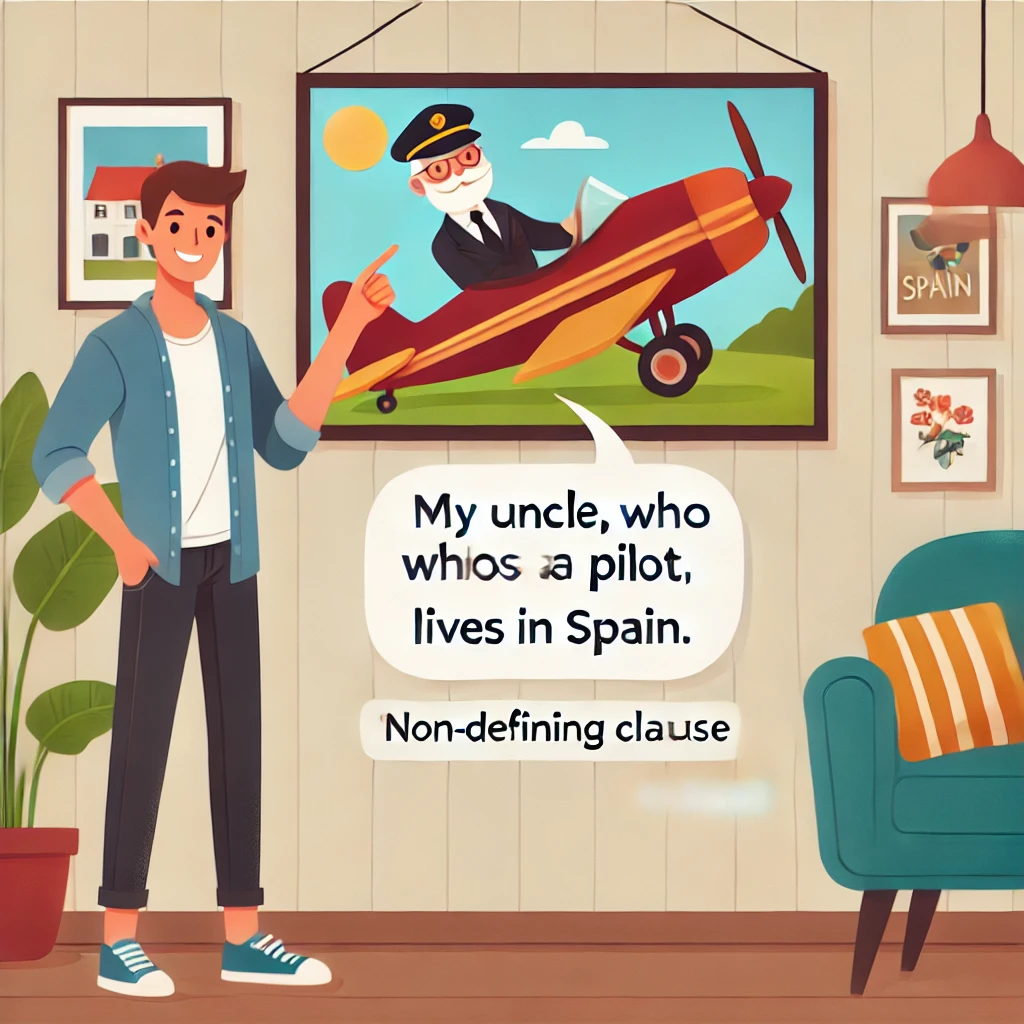
18. Is It Okay If I…?
(Polite requests — indirect & softening)
Grammar: Politeness forms (Would you mind…?, Could you…?)
Vocabulary: Service, hospitality
Speaking: Make requests politely
Listening: “Would you mind opening the window?”
Reading: Customer service conversation

19. Can You Clarify That?
(Clarifying & checking understanding)
Grammar: Clarification phrases
Vocabulary: Communication & interaction
Speaking: Clarify, confirm, rephrase
Listening: “So what you mean is…”
Reading: Dialogue showing clarification flow

20. Look, The Thing Is…
(Contrast & explanation — linking devices)
Grammar: Although, however, in contrast
Vocabulary: Opinions & arguments
Speaking: Give opinions with contrast
Listening: “However, I still think…”
Reading: Opinion paragraph with connectors
21. Because / So / Therefore
(Cause & effect — explaining reasons clearly)
Grammar: Cause/effect connectors
Vocabulary: Reasons, motivations
Speaking: Explain decisions logically
Listening: “I stayed home because…”
Reading: Short cause/effect explanation
WEEK 3 REVIEW:
Short debate using conditionals + connectors
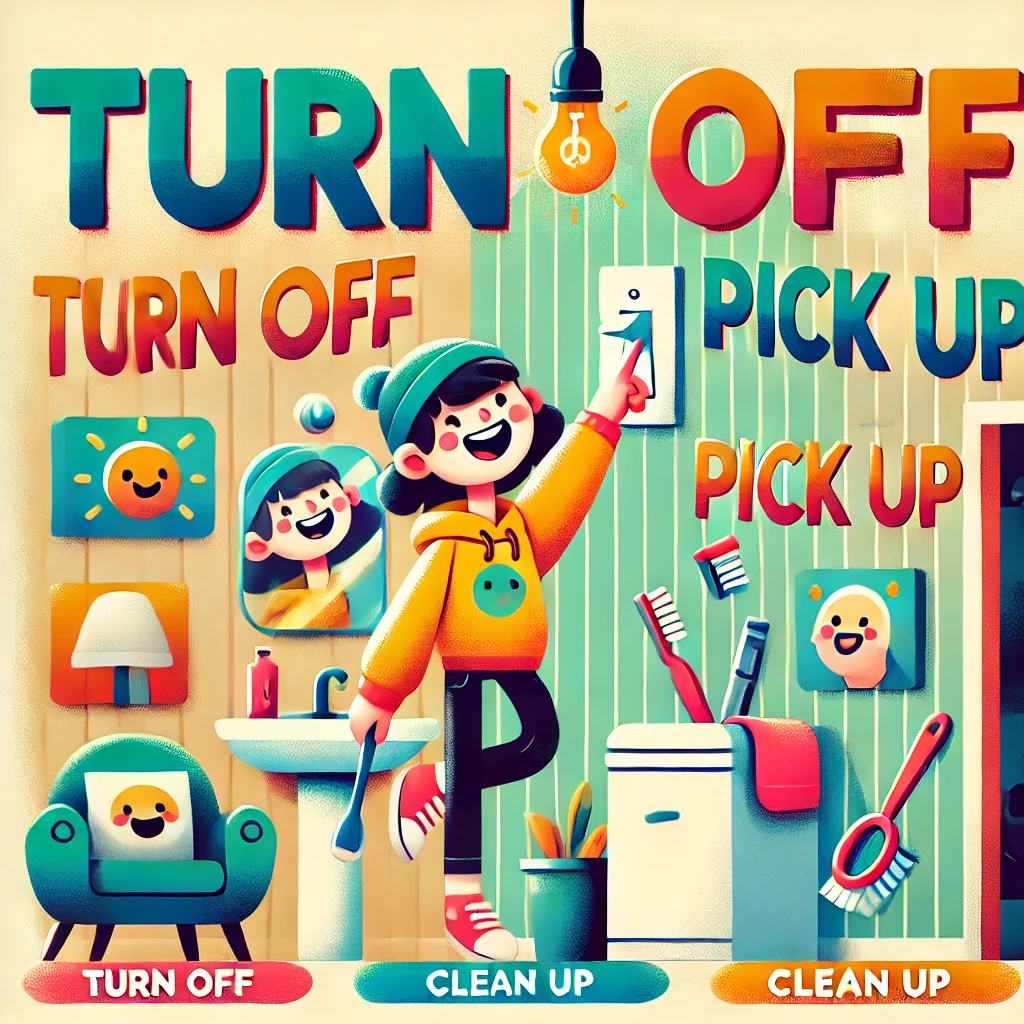
22. Have You Thought About…?
(Suggestions & soft persuasion)
Grammar: Suggesting structures
Vocabulary: Decision-making
Speaking: Make suggestions naturally
Listening: “You could try…”
Reading: Advice blog snippet
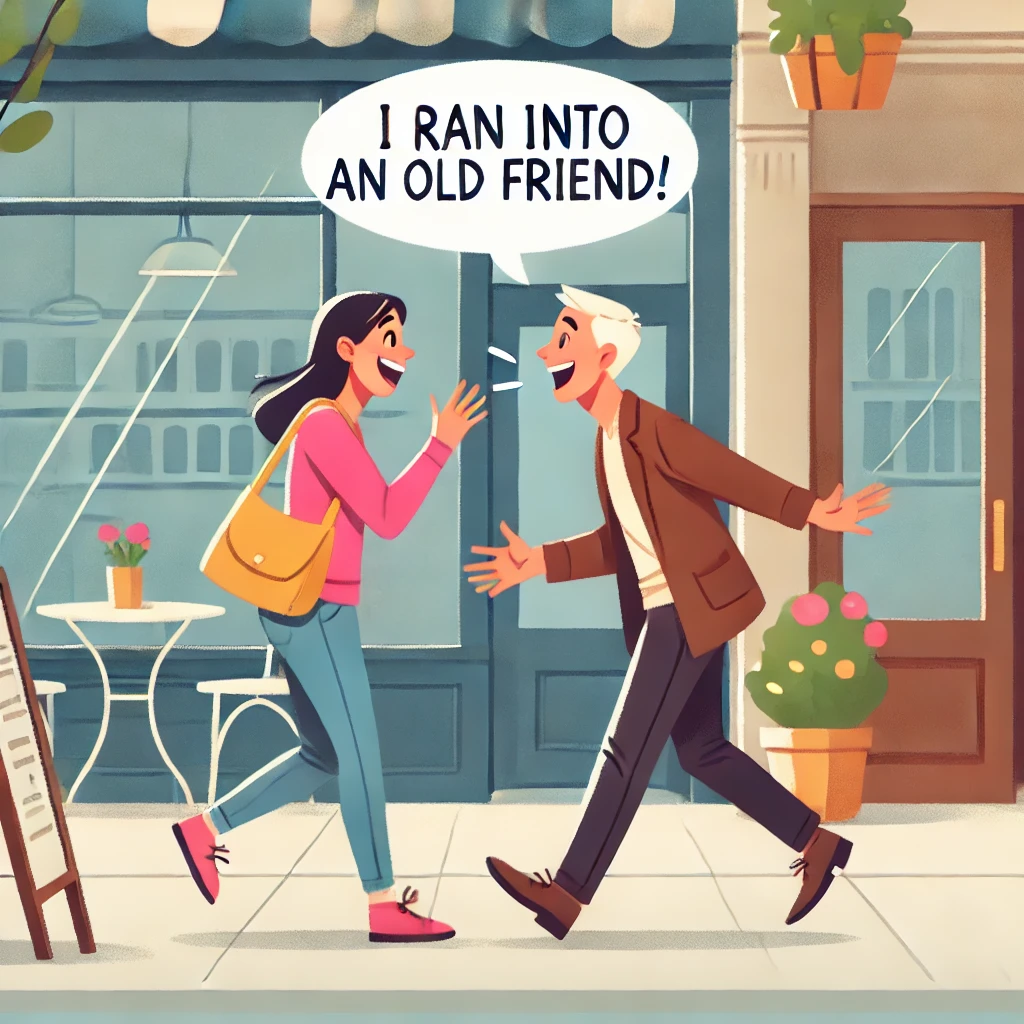
23. Let’s Work This Out
(Problem-solving in English)
Grammar: Phrasal & strategic expressions
Vocabulary: Negotiation, solutions
Speaking: Solve a problem together
Listening: “Why don’t we try…”
Reading: Workplace scenario
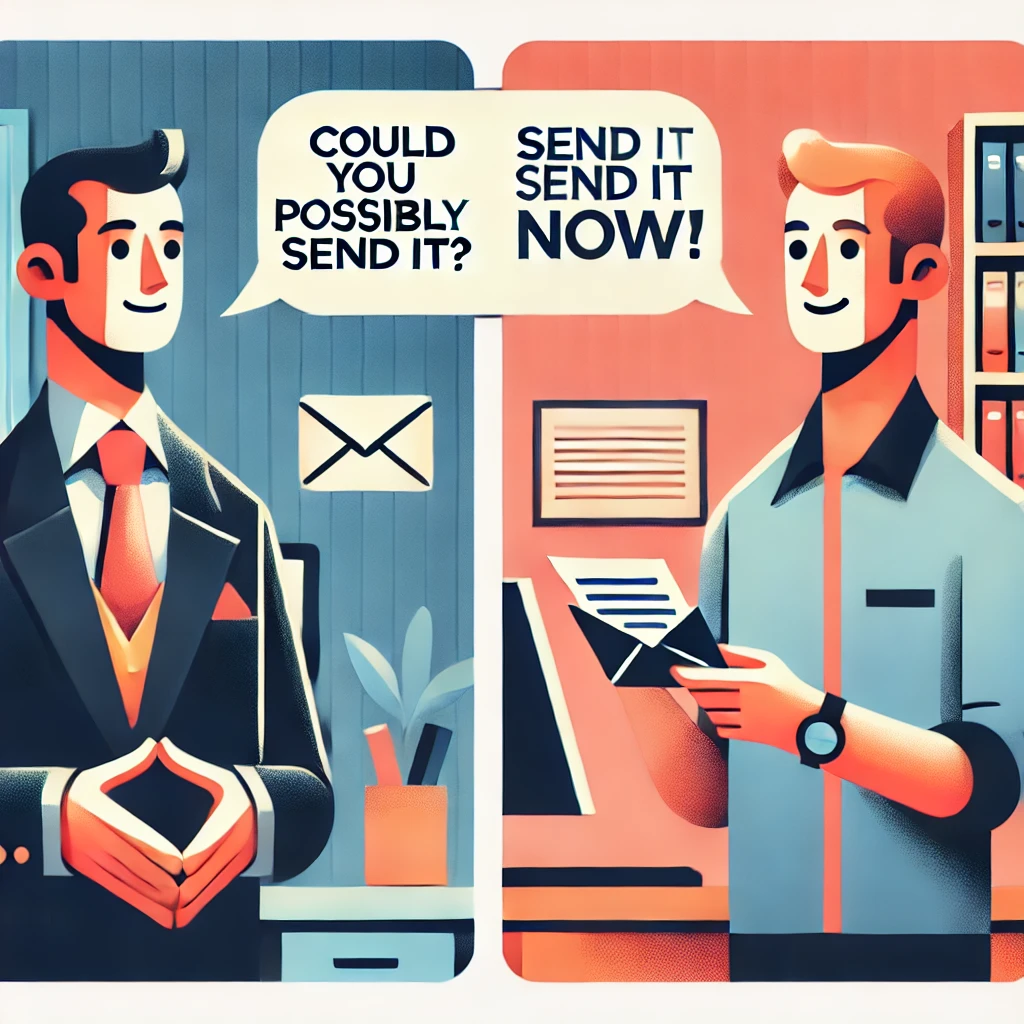
24. Stories With Emotion
(Storytelling — organizing events)
Grammar: Sequence & cohesion
Vocabulary: Life events, emotions
Speaking: Tell an engaging story
Listening: Narrative with sequence words
Reading: Short emotional anecdote

25. Speaking With Precision
(Upgrading vocabulary & accuracy)
Grammar: Vocabulary precision (collocations)
Vocabulary: High-utility collocations
Speaking: Replace simple words with precise ones
Listening: “It made a huge impact on me.”
Reading: Paragraph highlighting precise vocabulary
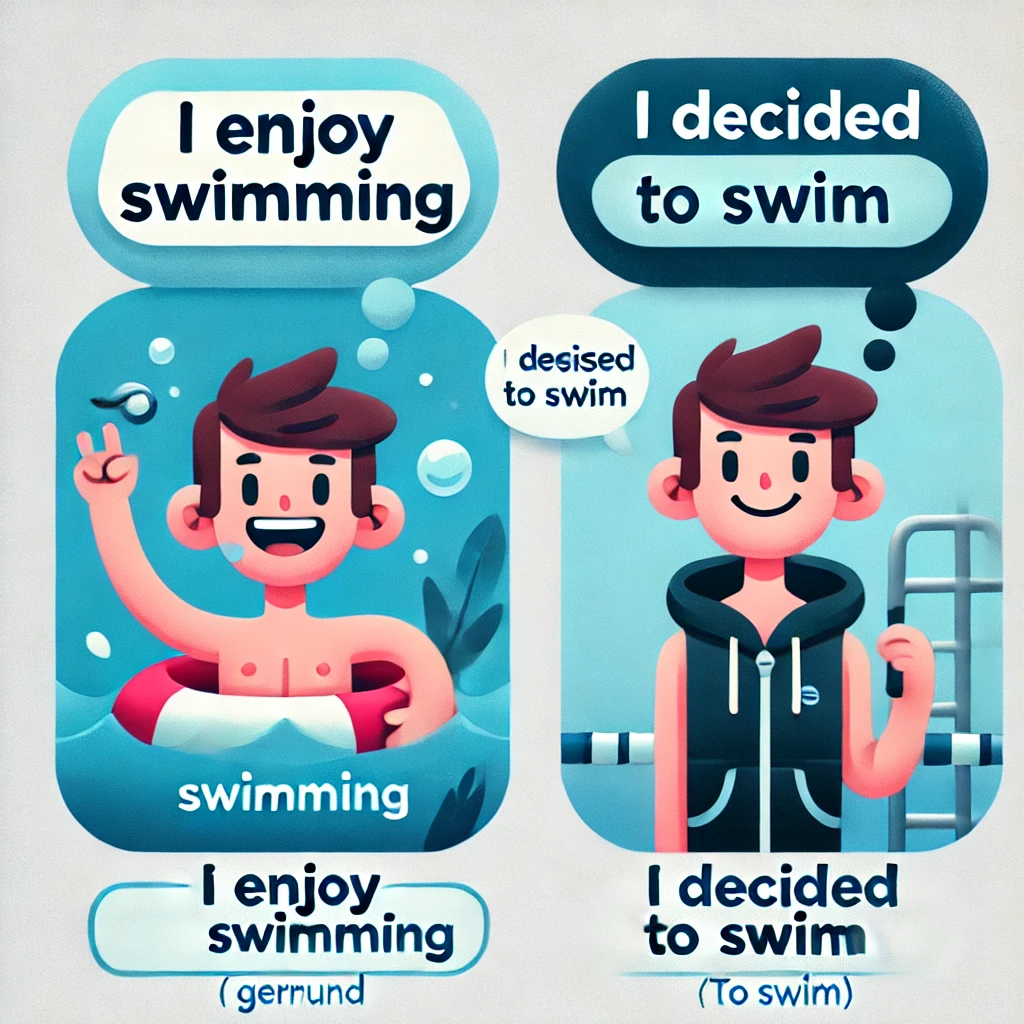
26. Natural Flow
(Rhythm, intonation, fillers)
Grammar: Natural speech devices
Vocabulary: Fillers & linking sounds
Speaking: Reduce pauses, speak smoothly
Listening: Real-style audio with natural rhythm
Reading: Chat transcript with natural elements
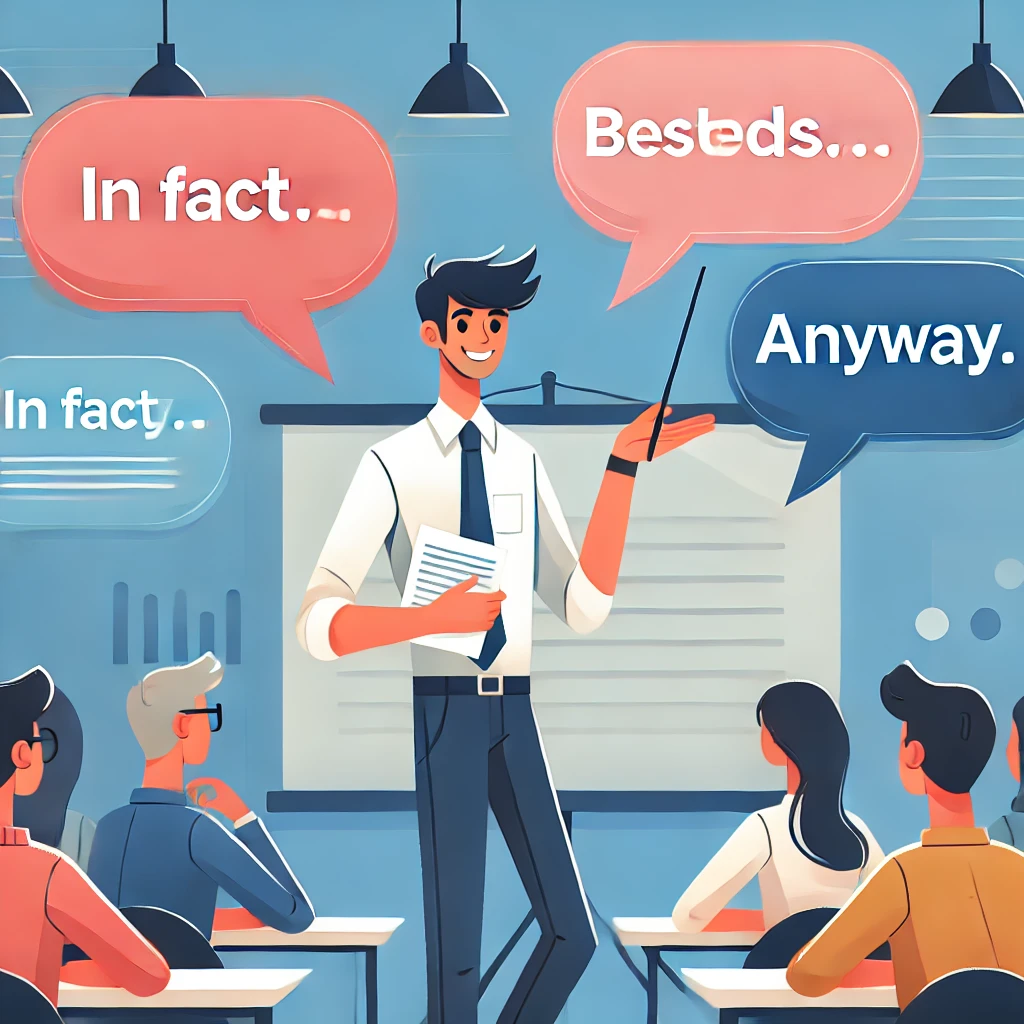
27. Real Conversations
(Daily conversation patterns)
Grammar: Conversation shortcuts (ellipsis, substitution)
Vocabulary: Everyday expressions
Speaking: Sound natural in conversation
Listening: “I liked the red one. She did too.”
Reading: Natural dialogue sample
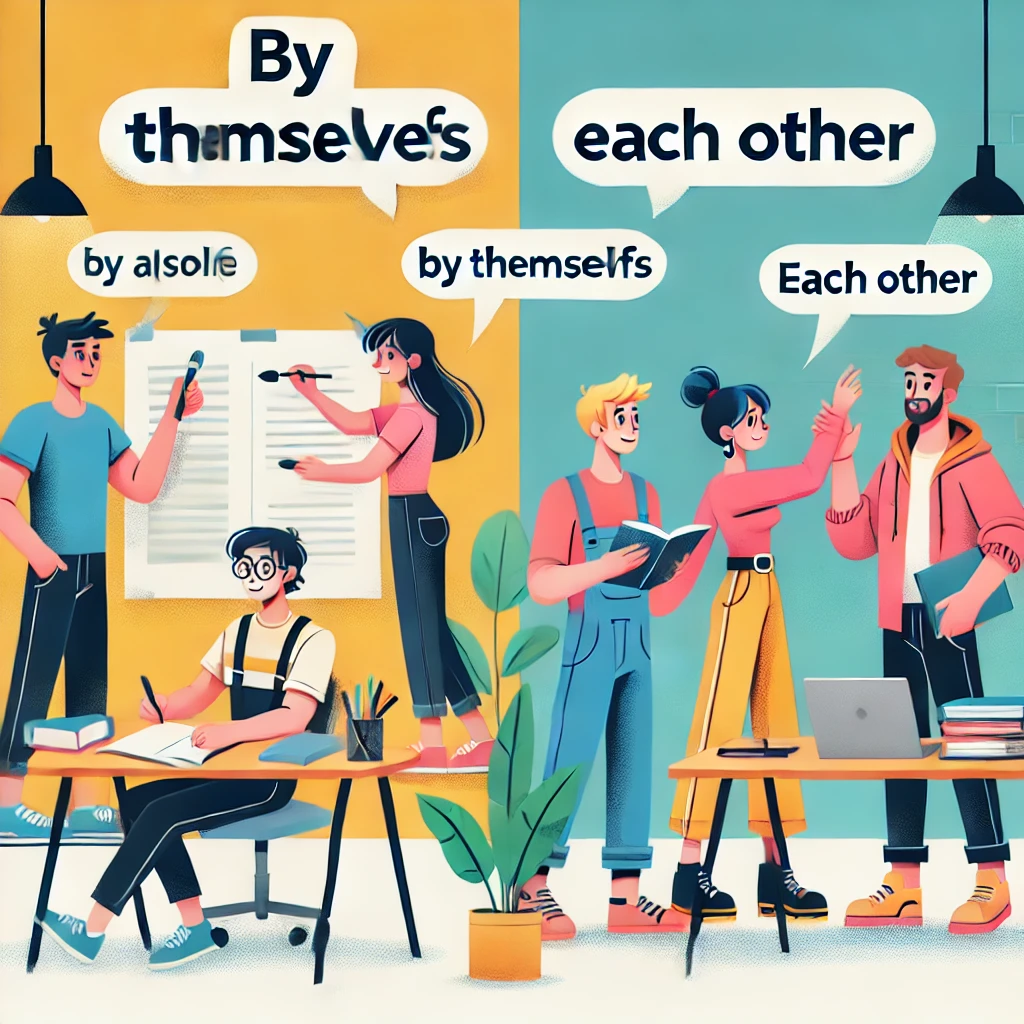
28. Your Personal Presentation
(Public speaking — structure & clarity)
Grammar: Structuring speech (first, then, finally)
Vocabulary: Presentation language
Speaking: Build a mini-presentation
Listening: Simple model presentation
Reading: Presentation outline
29. Full Review
(Integrating the whole course)
Grammar: Mix of key forms
Vocabulary: Course review
Speaking: 2-minute conversation
Listening: Real-life recap
Reading: Paragraph combining past/present/future
30. Final Performance Day
(Communicator Showcase)
Grammar: All tools integrated
Vocabulary: All topics
Speaking: Final 3-minute personal story
Listening: Final integrated dialogue
Reading: Short inspirational text
✅ FINAL TASK:
Deliver a 3-minute oral story using past, present, future & conditionals.